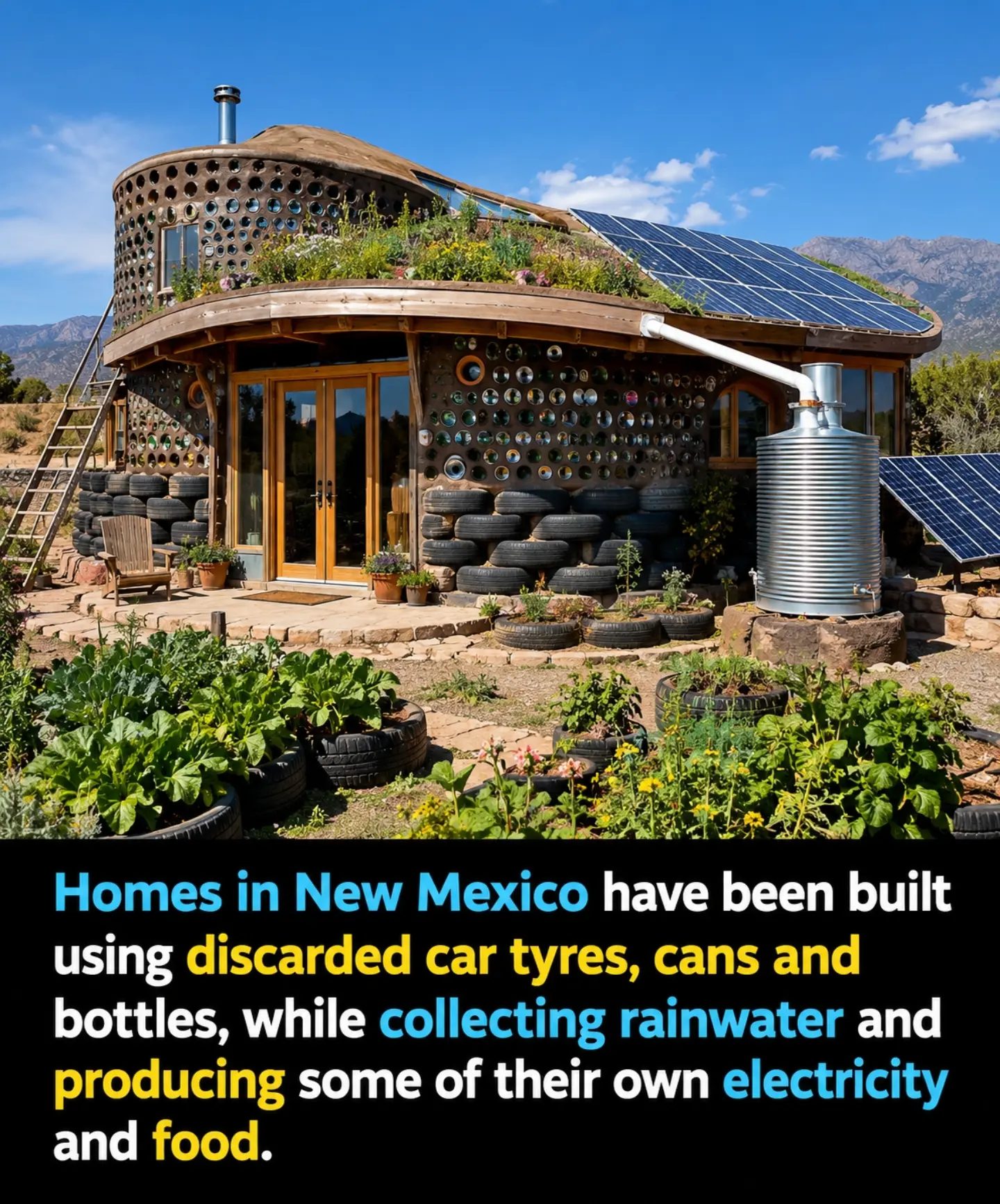
Sustainable Home Construction in New Mexico
In the arid landscape of New Mexico, a unique approach to sustainable home construction has emerged, focusing on the use of discarded materials and self-sufficiency in energy and food production. This model not only addresses environmental concerns but also serves as a practical solution for sustainable living.
Why This Matters
The need for sustainable housing solutions has never been more urgent. Traditional construction methods often rely heavily on resources that contribute significantly to carbon emissions and waste. By contrast, sustainable construction minimizes environmental impact and can even improve it. The techniques used in New Mexico provide a viable template for other regions looking to implement eco-friendly practices in home building.
Sustainable Construction Methods
Recycled Building Materials
One of the most striking features of these homes is the use of recycled materials. Discarded car tires, cans, and bottles are repurposed to construct the structure. This not only reduces waste but also provides a cost-effective building solution. Tires, for example, are durable and fire-resistant, making them an excellent choice for insulation and structural support. Cans and bottles can be melt and molded into bricks or used as decorative elements, adding a unique aesthetic touch to the homes.
Rainwater Harvesting
Water scarcity is a common issue in arid regions, and New Mexico is no exception. These sustainable homes address this challenge through sophisticated rainwater harvesting systems. Collected rainwater is filtered and stored for various household needs, from drinking and cooking to irrigation and sanitation. This reduces dependency on municipal water supplies and helps conserve local water resources.
Solar Energy
To generate electricity, these homes utilize solar panels. Solar energy is a renewable and clean source of power, making it an ideal choice for sustainable living. The panels are strategically placed to maximize sunlight exposure, ensuring a steady supply of energy. Residents can significantly reduce their carbon footprint by relying on solar power, which also results in long-term cost savings.
Food Production
The sustainability of these homes extends beyond energy and water to food production. The surrounding landscape is often cultivated into a garden that provides fresh produce for the household. This not only enhances self-sufficiency but also promotes healthier eating habits. Grow crops that are adapted to the local climate, ensuring minimal water usage and optimal yield. Additionally, composting organic waste from the home can enrich the soil, creating a sustainable cycle of growth and nourishment.
Practical Tips
Embrace Recycled Materials
If you're planning to build a sustainable home, consider incorporating recycled materials into your design. Research local recycling centers and waste management facilities to identify potential sources of materials. Additionally, many communities have thriving groups dedicated to upcycling and repurposing materials, which can be a valuable resource. Engage with these resources and think creatively about how discarded items can be turned into functional and aesthetically pleasing elements of your home.
Implement Rainwater Harvesting
Rainwater harvesting systems can be relatively simple to install and maintain. Start by assessing your roof's surface area and the average rainfall in your region to determine the potential volume of collected water. Install gutters and downspouts to channel rainwater into a storage tank. Ensure the tank is covered and the water is filtered to prevent contamination.
Integrate Solar Energy
Solar panels are a worthwhile investment for long-term energy savings. When planning your solar installation, consider the angle and orientation of your roof to optimize sunlight exposure. Additionally, explore options for battery storage to ensure a steady power supply during periods of low sunlight. It's also beneficial to consult with a professional to assess your energy needs and design a solar system tailored to your requirements.
Start a Garden
Creating a garden can be as simple or as complex as you like, depending on your space and resources. Begin by choosing crops that thrive in your local climate and require minimal water. Herbs, vegetables, and fruits that are well-suited to the region will provide a sustainable food source. Composting organic waste from your home will further enrich the soil, promoting healthy plant growth and reducing waste.
Important Takeaways
Environmental Impact
Sustainable construction methods have a significant positive impact on the environment. By reducing waste, conserving resources, and minimizing carbon emissions, these homes contribute to a healthier planet. This approach demonstrates that sustainable living is not only feasible but also beneficial for both individuals and the environment.
Cost-Effectiveness
While the initial investment in sustainable construction and energy systems might be higher, the long-term savings are substantial. Reduced energy and water bills, along with the elimination of waste disposal costs, make these homes a financially sound choice. Additionally, the use of recycled materials can lower construction costs, making sustainable housing more accessible.
Community and Self-Sufficiency
Sustainable homes promote community engagement and self-sufficiency. By sharing resources and knowledge, residents can create a supportive network that fosters innovation and sustainability. The ability to produce food and energy independently enhances self-reliance, reducing dependency on external supplies and services.
Conclusion
The sustainable home construction model in New Mexico showcases a vision of the future where eco-friendly practices and self-sufficiency coexist. This approach not only addresses environmental concerns but also offers a practical and cost-effective solution for modern living. By embracing recycled materials, rainwater harvesting, solar energy, and food production, homeowners can create a sustainable and resilient living environment.
Questions readers ask
What are some common recycled materials used in eco-friendly homes in New Mexico?
In New Mexico, eco-friendly homes often utilize a variety of recycled materials such as recycled tires, cans, and glass. These materials are repurposed into durable, cost-effective building components like insulation, structural elements, and decorative features. Additionally, rainwater harvesting systems are commonly integrated, making use of recycled components to conserve water.
How does using recycled materials in home construction benefit the environment?
Using recycled materials in home construction significantly reduces waste sent to landfills and decreases the demand for new raw materials. This process lowers carbon emissions associated with extraction and manufacturing, and contributes to a healthier ecosystem. By promoting recycling, New Mexico's sustainable homes set a powerful example of resource conservation and eco-friendly living.
What are the advantages of sustainable homes for residents in New Mexico?
Sustainable homes in New Mexico offer numerous benefits, including lower utility costs due to energy-efficient designs and renewable energy sources. These homes also often incorporate green building practices such as rainwater harvesting and waste recycling. Residents enjoy a healthier living environment with improved indoor air quality, and contribute to a more sustainable future.
Are there specific techniques used in New Mexico for recycling materials into homes?
Yes, New Mexico employs several innovative techniques for recycling materials into homes. For instance, discarded tires are often shredded and used as insulation or foundation materials. Recycled cans and glass can be melted down and repurposed for construction materials. New Mexico’s unique approach includes using recycled materials in sustainable architecture, such as constructing walls from recycled cans or glass bottles.
How does sustainable living in New Mexico benefit the local community?
Sustainable living practices in New Mexico foster a sense of community by promoting self-sufficiency and resource sharing. Local businesses benefit from the demand for green building materials and renewable energy solutions. Additionally, sustainable homes often incorporate food production methods like gardening, which can enhance local food security and reduce reliance on external resources.
What resources are available for those interested in building sustainable homes in New Mexico?
New Mexico offers a range of resources for those interested in building sustainable homes, including local recycling centers, green building supply stores, and workshops on sustainable construction techniques. Additionally, many organizations provide guidance on obtaining permits, accessing renewable energy incentives, and connecting with experienced green builders.
How does New Mexico's sustainable building model address food and energy self-sufficiency?
The sustainable building model in New Mexico emphasizes food and energy self-sufficiency through various means. This includes integrating vertical gardens and greenhouses into home designs for local food production. Solar and wind power systems are commonly used to generate renewable energy, significantly reducing reliance on traditional power grids. By combining these elements, residents can achieve a high degree of self-sufficiency and resilience.
Related deep dives
Similar reads based on topic and creator.



Recent articles
Fresh deep dives from the latest Reels we unpacked.




Comments
Be the first to comment.