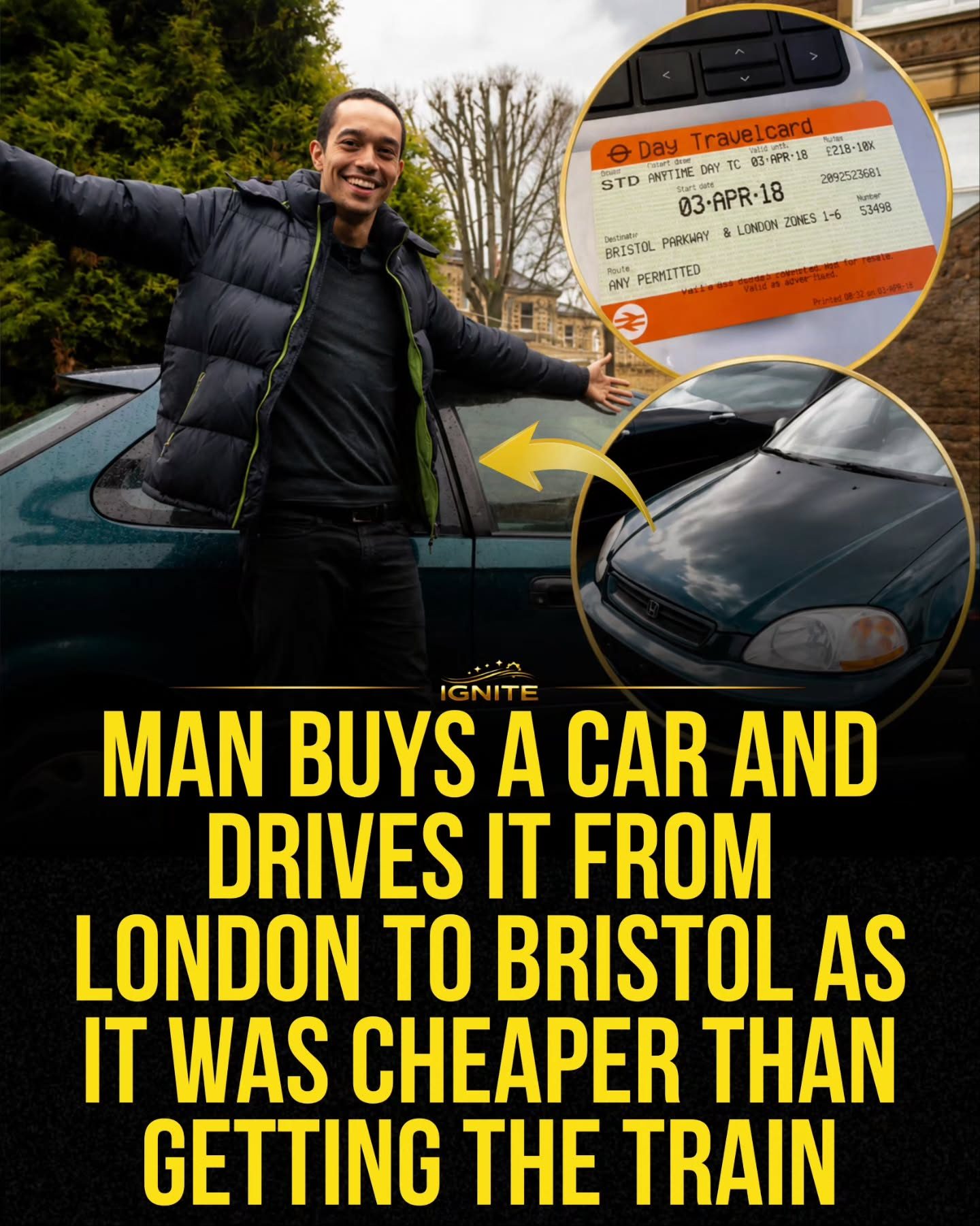
Car Purchase and Road Trip
Choosing between driving and taking the train for long-distance travel often depends on various factors, including cost, convenience, and personal preference. By understanding the nuances of each option, you can make an informed decision that best suits your needs.
Why This Matters
The cost of travel can significantly impact your budget, especially for longer journeys. Knowing the financial implications of driving versus taking the train can help you save money and plan more effectively. Additionally, the flexibility and convenience of driving versus the scheduled nature of train travel can influence your comfort and overall experience.
Driving vs. Taking the Train
Cost Comparison
Cost is a primary consideration when deciding between driving and taking the train. Driving your own car can be more economical for several reasons:
- Fuel Efficiency: Modern cars are designed to be fuel-efficient, making long-distance travel more cost-effective. This is particularly true if you own a fuel-efficient vehicle.
- Shared Expenses: If you're traveling with friends or family, you can share the cost of fuel, reducing your individual financial burden.
- Avoiding Train Fares: Train tickets can be expensive, especially for long journeys or during peak travel times. Driving eliminates the need to purchase these tickets, which can result in significant savings.
Convenience and Flexibility
Driving offers unparalleled flexibility and convenience:
- Custom Schedules: With the freedom of your own car, you can set your own schedule and make stops as needed. This is particularly advantageous for those with unpredictable timelines or who need to make multiple stops along the way.
- Luggage and Cargo: Whether you're traveling with a lot of luggage or need to transport cargo, a car provides ample space. Trains may have restrictions on the amount of luggage you can bring, and additional fees might apply.
Environmental Considerations
Environmental impact should also be considered:
- Car Emissions: Cars produce emissions, which contribute to air pollution and climate change. If the environment is a top priority, driving may not be the best option.
- Train Efficiency: Trains are generally more environmentally friendly, as they can transport a large number of people with lower emissions per passenger. If you are concerned about reducing your carbon footprint, taking the train might be more advantageous.
Practical Tips
When planning a trip from London to Bristol or any other long-distance journey, consider these practical tips to enhance your experience and ensure a smooth trip.
Planning Your Route
- Use GPS and Mapping Tools: Utilize GPS and mapping tools to plan your route and avoid traffic congestion, ensuring a smoother and more efficient journey.
- Check for Roadworks and Construction: Stay updated on any roadworks or construction that might affect your travel time and plan alternative routes if necessary.
Packing and Preparing
- Essential Items: Pack essential items such as water, snacks, a first-aid kit, and a spare tire. Ensure your car is in good condition and has enough fuel for the journey.
- Comfort Items: For longer trips, consider bringing comfort items like pillows, blankets, and entertainment options to make the journey more enjoyable.
Important Takeaways
Driving can be a cost-effective and convenient way to travel, especially for long distances like from London to Bristol. By considering the cost, convenience, and environmental impact, you can make an informed decision that best suits your travel needs.
The key takeaways from this comparison include:
- The cost of driving can often be lower than train travel, especially for longer journeys and with shared expenses.
- Driving offers greater flexibility and convenience, allowing you to set your own schedule and make stops as needed.
- Environmental considerations should also be taken into account, with trains generally being more eco-friendly.
Conclusion
Choosing between driving and taking the train involves weighing various factors, including cost, convenience, and environmental impact. By understanding these aspects and planning accordingly, you can make a well-informed decision that aligns with your travel needs and preferences. Whether you opt for the freedom of driving or the scheduled convenience of train travel, each option offers unique benefits that can enhance your journey.
Questions readers ask
How much can I save by driving from London to Bristol instead of taking the train?
The savings can vary, but generally, you can save around £50-£100 or more per round trip, depending on the train fare and fuel costs. Train tickets, especially on popular routes, can be quite expensive, while fuel costs for driving might be lower.
What are the benefits of driving from London to Bristol over taking the train?
Driving offers a personalized travel schedule, allowing you to set your own pace and make stops as needed. It also provides the convenience of traveling with all your belongings without luggage restrictions, and you can avoid the hassle of train ticket purchases and schedules. Additionally, you can save money on multiple tickets for a group, as long as you have enough space in your car.
How do I calculate the total cost of driving from London to Bristol?
To estimate the total cost, consider fuel expenses, vehicle maintenance, and any tolls and parking fees. Use a fuel cost calculator to estimate fuel expenses based on your car's fuel efficiency and current fuel prices. Add any expected maintenance costs and potential tolls and parking, and don't forget the wear and tear of your car.
What are some budget-friendly tips for driving from London to Bristol?
Plan your route efficiently to minimize fuel consumption, and consider using a fuel-efficient car or an electric vehicle. Use apps to find the cheapest fuel prices along your route and book parking in advance to save money. You can also help save on meals by packing your food. Additionally, avoid peak traffic times to save on fuel and reduce stress.
What should I consider when planning a long-distance car journey from London to Bristol?
Plan your route and stops in advance, and consider rest times. Check your vehicle's condition, including tires, brakes, and fluid levels, before embarking. Pack essential items, such as water, snacks, and a first-aid kit. Always have a map or navigation system, even if it's just your smartphone, and keep your phone charged.
How can I make driving from London to Bristol more convenient?
Choose a vehicle that offers comfort and sufficient space for your belongings. Plan your route to include interesting sights or stops. Make sure your car is equipped with modern features, like GPS, and entertainment systems. If you're traveling with others, consider a car that offers ample legroom and comfort for a smoother ride.
Related deep dives
Similar reads based on topic and creator.




Recent articles
Fresh deep dives from the latest Reels we unpacked.




Comments
Be the first to comment.