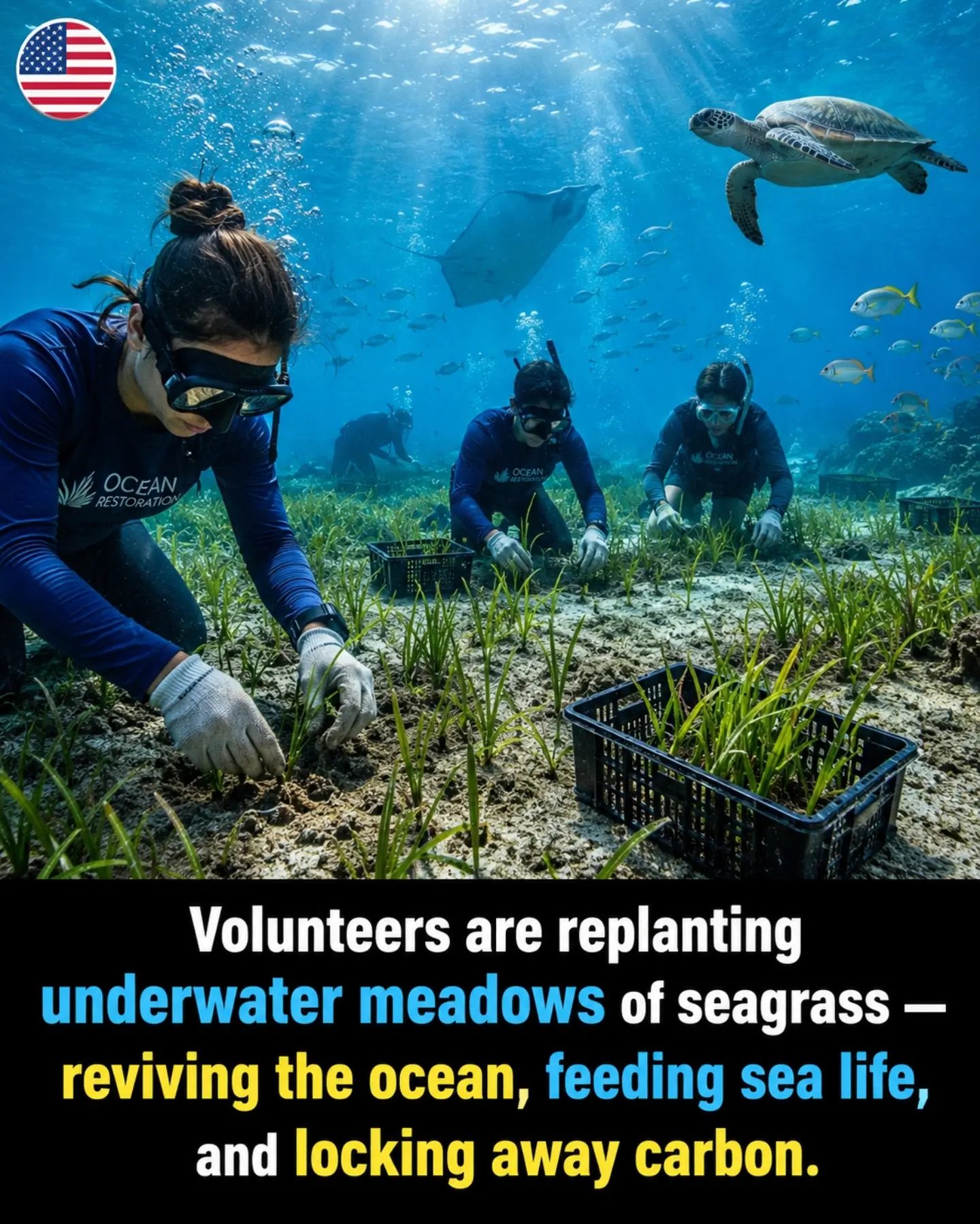
Seagrass Restoration: Revitalizing Marine Ecosystems
Seagrass restoration is a critical endeavor aimed at reviving underwater meadows and bolstering marine ecosystems. This process involves replanting seagrass, which plays a pivotal role in supporting marine life and mitigating climate change by locking away carbon.
Why Seagrass Restoration Matters
Seagrass meadows are often overlooked but are vital to marine health. They serve as nurseries for a wide array of sea creatures, providing essential habitats for fish, crustaceans, and other marine organisms. Additionally, seagrass acts as a natural carbon sink, absorbing and storing carbon dioxide from the atmosphere, which helps combat global warming.
The Restoration Process
Preparing for Planting
The restoration process begins on land, where volunteers and professionals prepare seagrass seedlings. These seedlings are carefully nurtured in trays until they are robust enough to be transplanted into the seabed. This meticulous preparation ensures the highest survival rate for the seagrass once it is placed underwater.
Underwater Planting
Divers take the trays of seagrass seedlings to the designated planting sites. They meticulously place the seedlings into the seabed, ensuring they are securely anchored. This step requires precision and care, as the seagrass needs to be positioned in areas where it can thrive and spread naturally.
Monitoring and Maintenance
After planting, the restoration team closely monitors the seagrass meadows. Regular check-ins help ensure the seagrass is growing healthily and identify any issues that may need addressing. This ongoing care is crucial for the long-term success of the restoration project, as seagrass meadows need time to fully establish and spread.
Practical Tips for Seagrass Restoration
For those interested in participating in seagrass restoration efforts, here are some practical tips to ensure the best outcomes:
Engage with Local Organizations
Many coastal communities have organizations dedicated to marine conservation and seagrass restoration. Contacting these groups can provide opportunities to volunteer and gain hands-on experience in the restoration process.
Educate Yourself on Seagrass Species
Different regions have different types of seagrass, each with unique characteristics and requirements. Understanding the specific species in your area can help you better contribute to restoration efforts.
Follow Best Practices
Adhere to best practices for handling and planting seagrass. This includes using appropriate equipment, ensuring the seedlings are well-hydrated, and planting in areas with suitable soil and water conditions.
Participate in Community Events
Many community events and beach cleanups include seagrass restoration activities. Participating in these events not only helps the marine environment but also fosters a sense of community and shared purpose.
Important Takeaways
- Seagrass is Essential for Marine Life: Seagrass meadows provide vital habitats for a diverse range of marine species, making them crucial for marine biodiversity.
- Carbon Sequestration: Seagrass plays a significant role in carbon sequestration, helping to mitigate the effects of climate change.
- Community Involvement: Successful seagrass restoration often relies on community involvement and ongoing monitoring to ensure long-term success.
- Knowledge and Preparation: Understanding the local seagrass species and following best practices are key to effective restoration.
Conclusion
Seagrass restoration is a multifaceted and rewarding endeavor that offers numerous benefits to marine ecosystems and the environment. Whether you're a volunteer, a marine conservation enthusiast, or simply someone interested in contributing to a healthier planet, participating in seagrass restoration can make a meaningful difference. By understanding the process, engaging with local organizations, and following best practices, you can play a vital role in revitalizing marine ecosystems and supporting a sustainable future.
Questions readers ask
Why is seagrass restoration important for marine life?
Seagrass meadows act as nurseries for numerous marine species, offering shelter and sustenance. By restoring these underwater habitats, we ensure the survival and growth of various fish, crustaceans, and other sea creatures, which contributes to the overall health of marine ecosystems.
How does seagrass help in mitigating climate change?
Seagrass plays a significant role in climate change mitigation by absorbing carbon dioxide from the atmosphere and storing it through a process called carbon sequestration. This helps to reduce the amount of CO2 in the air which would otherwise contribute to global warming.
What are the key steps involved in seagrass restoration?
The seagrass restoration process involves several steps, including preparing the planting site, cultivating seagrass seedlings, and carefully replanting these seedlings into the designated underwater areas. Divers meticulously place the seedlings to ensure their survival and growth, which revitalizes the seagrass meadows.
What role do divers play in seagrass restoration?
Divers are essential in seagrass restoration as they execute the underwater replanting process. They carefully and methodically plant seagrass seedlings in designated areas, ensuring the seedlings are securely anchored and have the best chance of survival, reviving underwater habitats.
What are the challenges faced during seagrass restoration?
One of the primary challenges in seagrass restoration is ensuring the survival of the replanted seedlings. Factors such as water quality, storms, and marine life interactions can impact the success of the restoration efforts. Additionally, the process requires significant time, resources, and expertise from divers.
How can seagrass restoration projects be supported?
Supporting seagrass restoration projects can involve volunteering with local conservation groups, donating resources, or advocating for policies that protect marine habitats. Collaborating with organizations that focus on marine conservation efforts can also make a significant difference in revitalizing seagrass meadows.
What are the benefits of restoring seagrass meadows?
Restoring seagrass meadows has numerous benefits, including providing essential habitats for marine life and improving water quality. Additionally, seagrass meadows help mitigate climate change by absorbing carbon dioxide, and they protect coastal areas from erosion by stabilizing sediments.
Related deep dives
Similar reads based on topic and creator.




Recent articles
Fresh deep dives from the latest Reels we unpacked.



Comments
Be the first to comment.