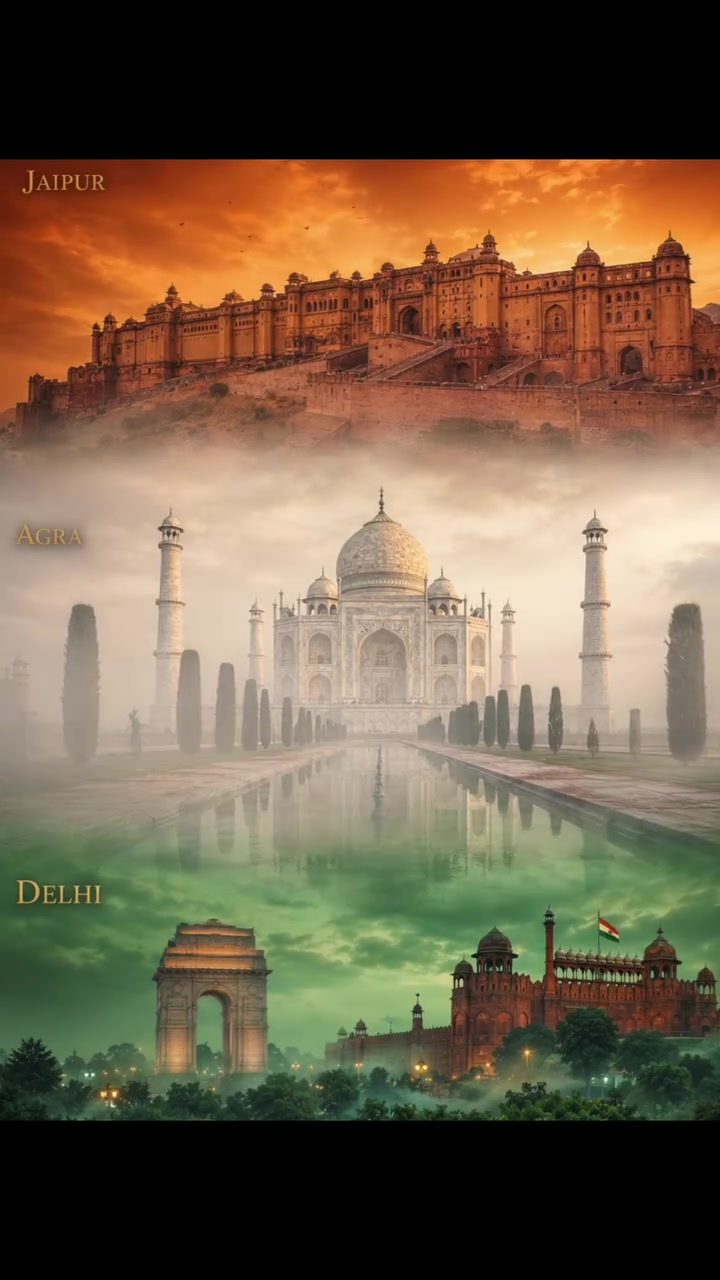
Indian Landmarks
India is renowned for its rich history and architectural marvels, drawing visitors from around the world. Among the most iconic destinations are Jaipur, Agra, and Delhi. These cities offer a captivating blend of historical significance and cultural depth, each boasting unique landmarks that are must-visit attractions for any traveler.
Context / Why it Matters
The landmarks in Jaipur, Agra, and Delhi serve as a testament to India’s rich history and cultural heritage. Jaipur, known as the "Pink City," is famous for its opulent palaces and forts. Agra, on the other hand, is home to one of the most recognized structures in the world. Delhi, the capital of India, is a bustling metropolis that combines modern life with ancient history. Visiting these landmarks provides a comprehensive understanding of India’s past and present, making them essential stops on any itinerary.
Main Discussion
Jaipur: The Pink City
Jaipur, located in the state of Rajasthan, is a city characterized by its vibrant pink hues, which have earned it the nickname "Pink City." The city is a treasure trove of historical sites, with Amber Fort being one of the most notable.
Amber Fort
Amber Fort, also known as Amber Palace, is a magnificent fortress located on a hilltop overlooking the city. Constructed in the 16th century, it showcases a blend of Rajasthani and Mughal architectural styles. The fort features a series of courtyards, gardens, and palaces, each more ornate than the last. Key attractions within the fort include the Sheesh Mahal, or Mirror Palace, and the Diwan-e-Aam, or Hall of Public Audience. The intricate mirror work and ornate decorations make it a visual treat for visitors.
Agra: The City of the Taj Mahal
Agra is synonymous with the Taj Mahal, one of the most iconic landmarks in the world. This city in the state of Uttar Pradesh is a UNESCO World Heritage Site and a testament to India’s glorious past.
Taj Mahal
The Taj Mahal, often referred to as the "Crown of Palaces," is a masterpiece of Mughal architecture. Built by Emperor Shah Jahan in the 17th century, it serves as a mausoleum for his beloved wife, Mumtaz Mahal. The Taj Mahal is renowned for its symmetrical design, white marble facade, and intricate inlays of precious and semi-precious stones. The structure is surrounded by beautiful gardens and a mosque, adding to its overall grandeur.
Delhi: The Capital City
Delhi, the capital of India, is a metropolis that seamlessly blends the old with the new. It is home to numerous historical sites that reflect the city’s rich history and cultural diversity. The Red Fort and India Gate are two of the most iconic landmarks in Delhi.
Red Fort
The Red Fort, located in the heart of Old Delhi, is a historic fortress that served as the main residence of the emperors of the Mughal dynasty. Built by Emperor Shah Jahan in the 17th century, the fort is an architectural marvel that showcases the grandeur of Mughal architecture. The fort features a series of palaces, gardens, and courtyards, each adorned with intricate carvings and decorations. Important attractions within the fort include the Diwan-e-Aam, Diwan-e-Khas, and the Rang Mahal.
India Gate
India Gate, also known as the All-India War Memorial, is a war memorial located in the heart of New Delhi. Built in the 1930s, it honors the Indian soldiers who died during World War I and the Third Anglo-Afghan War. The structure is a massive archway made of red sandstone and granite, and it is surrounded by lush green gardens and fountains. India Gate is a popular spot for both locals and tourists, offering a serene environment amidst the bustling city.
Practical Tips
Planning Your Visit
When planning a visit to these iconic landmarks, it’s essential to be mindful of the best times to visit, transportation options, and what to expect. Here are some practical tips to help you make the most of your trip:
Best Times to Visit
- Jaipur: The best time to visit Jaipur is between October and March when the weather is pleasant, and the city is less crowded. Avoid the summer months as the heat can be intense.
- Agra: The ideal time to visit Agra is between October and March. The weather is cooler, making it more comfortable to explore the city and its landmarks. The Taj Mahal is also less crowded during this period.
- Delhi: The best time to visit Delhi is during the winter months, from October to March. The weather is mild, and the city is less humid, making it easier to explore its numerous attractions.
Transportation
- Jaipur: The city is well-connected by air, rail, and road. Jaipur International Airport is the main airport, and the city has several train and bus stations. Taxis and auto-rickshaws are readily available for local travel.
- Agra: Agra Canyon International Airport is the nearest airport, and the city is also accessible by train and road. Auto-rickshaws, taxis, and buses are available for local travel.
- Delhi: Delhi has three main airports: Indira Gandhi International Airport, Safdarjung Airport, and Palam Airport. The city is well-connected by rail and road. Metro, buses, auto-rickshaws, and taxis are readily available for local travel.
What to Expect
- Jaipur: Be prepared for large crowds, especially at popular tourist spots like Amber Fort. Dress in comfortable clothing and footwear, and carry a water bottle and sunscreen.
- Agra: The Taj Mahal can be very crowded, especially during peak tourist seasons. Arrive early in the morning to avoid long lines. Also, be prepared for strict security checks at the entrance.
- Delhi: Delhi is a bustling metropolis with heavy traffic. Be prepared for delays and plan your itinerary accordingly. Also, be cautious of pickpockets and scams, especially in crowded areas.
Important Takeaways
Visiting Jaipur, Agra, and Delhi offers a unique opportunity to immerse yourself in India’s rich history and cultural heritage. Each city has its own unique landmarks, from the opulent Amber Fort in Jaipur to the iconic Taj Mahal in Agra, and the historic Red Fort and India Gate in Delhi. These landmarks are not only architectural marvels but also symbols of India’s glorious past. By planning your visit carefully and being mindful of practical considerations, you can make the most of your trip and create lasting memories.
Conclusion
Jaipur, Agra, and Delhi are three cities that showcase the best of India’s historical and cultural heritage. Whether you’re exploring the grandeur of Amber Fort in Jaipur, marveling at the beauty of the Taj Mahal in Agra, or delving into the rich history of Red Fort and India Gate in Delhi, these landmarks offer a deep dive into India’s past and present. With careful planning and an open mind, your visit to these iconic sites will be an unforgettable experience.
Related deep dives
Similar reads based on topic and creator.




Recent articles
Fresh deep dives from the latest Reels we unpacked.




Comments
Be the first to comment.