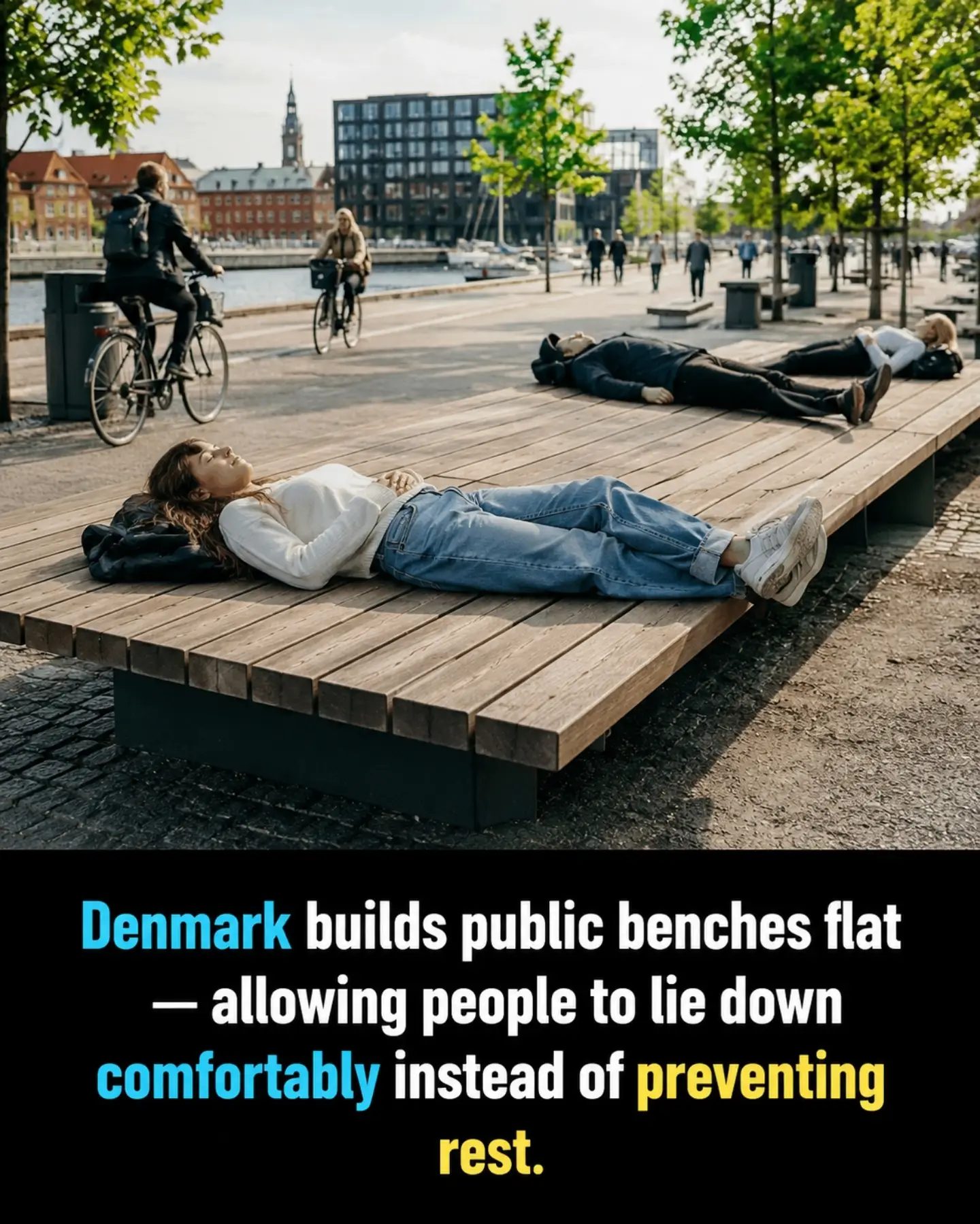
Public Bench Design in Denmark
Danish public benches are not just places to sit; they are designed with a unique philosophy that prioritizes comfort and relaxation. The country's approach to public bench design is innovative, focusing on creating spaces where people can fully unwind and rest comfortably.
Why This Matters
In the hustle and bustle of daily life, finding a comfortable place to rest is essential for mental well-being. The design principles of public benches in Denmark reflect a broader commitment to creating urban spaces that enhance quality of life. Many cities around the world can learn from their focus on accessibility and user experience, particularly in high-traffic public areas.
The Design Philosophy
Prioritizing Comfort
Danish public benches are notably flat. This design choice is not merely aesthetic but serves a practical purpose. The flat surface allows people to lie down comfortably, which is a feature that sets these benches apart from many other public seating options. Traditional benches often have a backrest that restricts how people can use them, typically encouraging sitting rather than lying down.
Denmark's benches, on the other hand, are designed to be versatile. The flat surface invites people to stretch out and relax, which can be particularly valuable in public squares where people might spend extended periods waiting, socializing, or simply unwinding.
Encouraging Rest
The design encourages people to lie down and rest, which is a significant departure from typical public seating. This approach is rooted in a deeper understanding of human behavior and the need for rest in public spaces. By allowing people to lie down, these benches create a more inviting and comfortable environment, making it easier for individuals to take a break from the day's activities.
This design choice is particularly beneficial in urban areas where people might be walking long distances or commuting. Having a comfortable place to rest can significantly improve the overall experience of urban life, making public spaces more inviting and user-friendly.
Accessibility and Inclusivity
The benches' design also addresses issues of accessibility and inclusivity. A flat surface is more accommodating for people with mobility challenges, who might find it easier to sit down or lie down without needing to navigate a backrest. This inclusivity makes the benches more useful for a wider range of people, contributing to a more equitable urban environment.
Moreover, the flat design can be more versatile for different activities. For instance, people can use these benches for a variety of purposes, such as reading, working, or simply enjoying a moment of solitude. This versatility makes the benches a valuable addition to any public space.
Practical Tips
When designing public benches, consider the following tips to enhance user experience:
Consider User Needs
Understand the diverse needs of the people who will be using the benches. Think about how different individuals might interact with the seating and design accordingly. For example, providing a flat surface can accommodate a wider range of activities and users.
Encourage Comfort and Relaxation
Prioritize comfort in your design. The goal is to create a space where people feel welcome to rest and relax. This can be achieved through thoughtful design choices, such as a flat surface that allows for lying down.
Ensure Versatility
Make sure the benches can be used for multiple purposes. This versatility will make them more valuable to a wider range of users. Consider different user activities and design the benches to accommodate them.
Focus on Accessibility
Accessibility is key to creating inclusive public spaces. Design the benches in a way that makes them easy for everyone to use, regardless of mobility or other challenges. This might involve choosing materials that are easy to navigate or ensuring the benches are at an appropriate height.
Use Durable Materials
Choose materials that are durable and easy to maintain. Public benches are subject to a lot of wear and tear, so they need to be able to withstand various weather conditions and heavy use. Investing in high-quality, durable materials will ensure the benches last longer and require less maintenance over time.
Important Takeaways
Public bench design plays a crucial role in shaping urban spaces. The Danish approach to designing flat, comfortable benches offers valuable insights into creating public spaces that prioritize user comfort, accessibility, and versatility.
By focusing on these key aspects, cities can create more inviting and user-friendly public spaces. This not only enhances the quality of life for residents but also makes urban areas more welcoming to visitors and tourists. The design principles of Danish public benches can serve as a blueprint for creating public spaces that truly meet the needs of their users.
Conclusion
Public bench design in Denmark stands out for its commitment to comfort and user experience. The flat design of these benches, which allows people to lie down, offers a unique solution to the challenge of creating inviting and restful public spaces. By prioritizing user needs, ensuring versatility, and focusing on accessibility, Danish public benches set a high standard for urban design.
Questions readers ask
Why are Danish public benches designed to be so wide and flat?
Danish public benches are designed with generous widths and flat surfaces to encourage users to lie down and fully relax. This design choice promotes a more leisurely and comfortable experience, especially in public spaces where people may need a break from walking or standing.
How do Danish public benches enhance accessibility in urban areas?
The wide, flat design of Danish public benches makes them easily accessible to people of all ages and abilities. This design allows for extra space for those using wheelchairs, walkers, or other mobility aids, as well as providing a comfortable place for people to rest during travel or commuting.
What makes Danish public bench design innovative?
The innovative aspect of Danish public bench design lies in its focus on user comfort and relaxation. Unlike traditional benches, these are designed to allow people to lie down, and the flat surfaces invite users to spend more time, engaging in activities like reading or taking a nap. This design is not only comfortable but also encourages a more leisurely use of public spaces.
Can other cities adopt the Danish public bench design?
Yes, many cities around the world can adopt the Danish public bench design to enhance their urban spaces. The focus on comfort and accessibility can improve the overall quality of life for residents and visitors alike, particularly in high-traffic areas where people may need a place to rest and relax.
What are the benefits of flat surface benches in public spaces?
Flat surface benches offer numerous benefits, including versatility and comfort. They provide a stable surface for various activities such as sitting, lying down, or even for placing items. The design also allows for easy cleaning and maintenance, which is essential for public seating.
How does the design of Danish public benches contribute to mental well-being?
By providing comfortable and inviting spaces to rest, Danish public benches contribute positively to mental well-being. In busy urban environments, having a place to sit or lie down can reduce stress and fatigue, offering a moment of respite from the daily hustle and bustle.
What influences the Danish approach to public seating design?
The Danish approach to public seating design is influenced by a broader commitment to creating urban spaces that prioritize user experience and accessibility. This philosophy ensures that public spaces are not only functional but also comfortable and enjoyable for all users, reflecting a holistic approach to urban planning.
Related deep dives
Similar reads based on topic and creator.




Recent articles
Fresh deep dives from the latest Reels we unpacked.




Comments
Be the first to comment.