Cycle Bridges with Flower Tunnels in Denmark
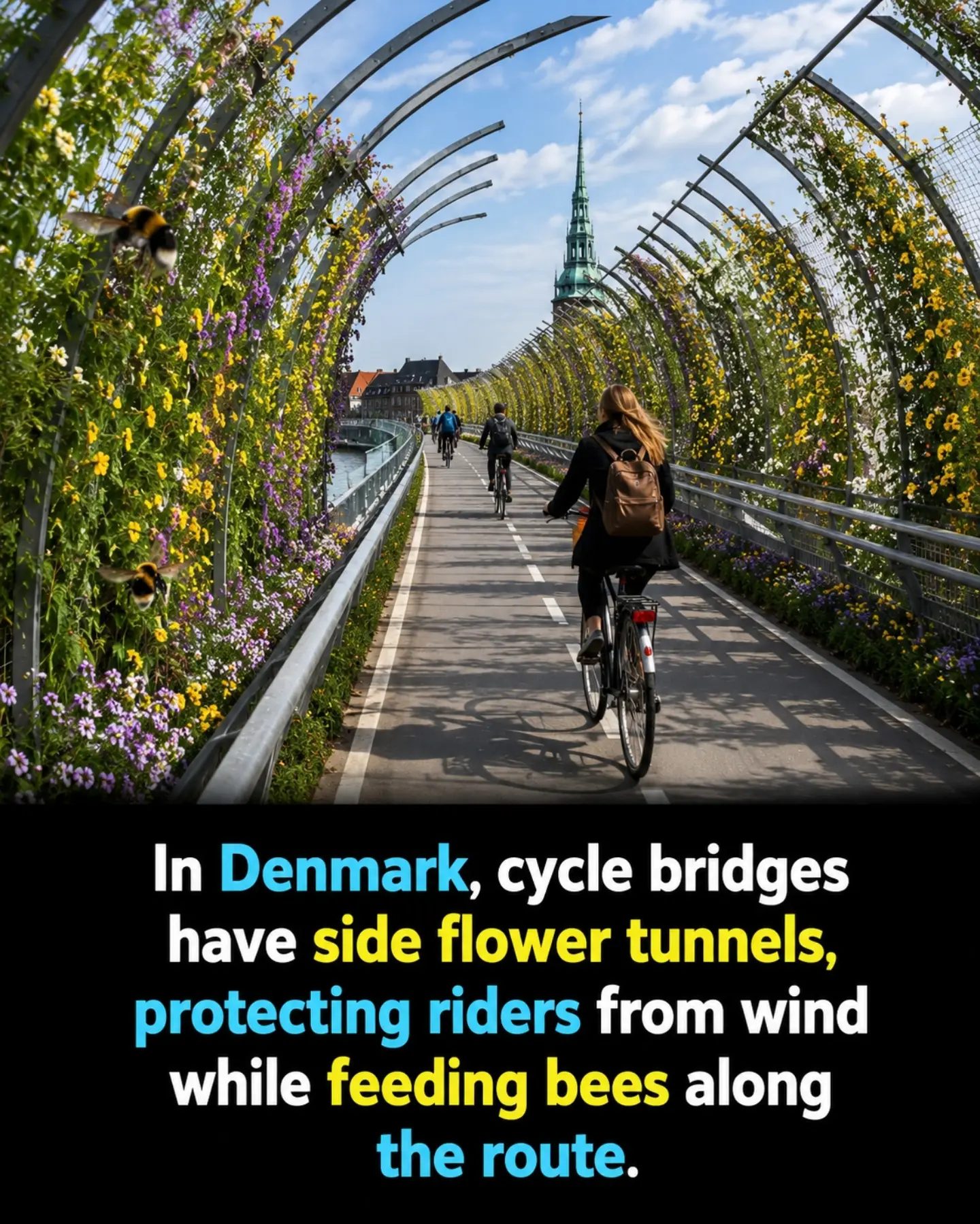
Cycle bridges with flower tunnels in Denmark are a remarkable feat of eco-friendly engineering. These structures not only provide a safe and comfortable passage for cyclists but also contribute to the local ecosystem. By integrating nature into urban infrastructure, these bridges highlight an innovative approach to sustainable living.
Why This Matters
In an era where cities are increasingly looking for ways to integrate green spaces and promote sustainable transportation, the design of Denmark’s cycle bridges serves as a model. These bridges not only enhance the cycling experience but also support local ecosystems by providing habitats for bees and other pollinators. This dual functionality makes them a standout example of how infrastructure can be designed to serve both human and environmental needs.
The Design and Function of Cycle Bridges
Protective Flower Tunnels
The flower tunnels on either side of the cycle bridges serve multiple purposes. Firstly, they act as windbreaks, shielding cyclists from harsh wind conditions. This is particularly beneficial for cyclists commuting on windy days, making the journey more comfortable and less strenuous. Additionally, the tunnels are filled with various types of flowers, providing a pleasing aesthetic to the surroundings.
Ecological Benefits
Beyond the immediate benefits for cyclists, the tunnels are an ecological boon. The flowers in the tunnels serve as a food source for bees and other pollinators. By providing a continuous supply of nectar, these bridges help support local bee populations, which are crucial for plant pollination and biodiversity.
Structural and Aesthetic Appeal
The design of these bridges is not only functional but also aesthetically pleasing. The sight of cyclists weaving through vibrant flower tunnels adds a touch of natural beauty to the urban landscape. This integration of greenery into urban infrastructure can inspire similar projects in other cities, promoting a more harmonious coexistence between nature and urban development.
Practical Tips for Cyclists
Choosing the Right Route
Cyclists in Denmark now have the advantage of choosing routes that feature these eco-friendly bridges. When planning a ride, consider routes that include these tunnels for a more enjoyable cycling experience.
Safety and Comfort
For those living in areas where such infrastructure is not yet available, consider the benefits of advocacy. Local governments and urban planners can be approached with ideas for integrating greenery and protective structures into existing or new cycling infrastructure. This can lead to safer and more enjoyable cycling routes for everyone.
Important Takeaways
- Cycle bridges with flower tunnels in Denmark offer a dual benefit of protecting cyclists from wind while supporting local bee populations.
- These bridges are not only functional but also visually appealing, enhancing the urban landscape.
- Integrating nature into urban infrastructure can inspire similar projects in other cities, promoting sustainable living.
Conclusion
Denmark’s cycle bridges with flower tunnels are a testament to innovative engineering that benefits both humans and the environment. By providing shelter from the wind and nourishing local bee populations, these bridges set a high standard for sustainable urban design. As cities around the world seek ways to become more eco-friendly, the example set by these bridges offers a practical and inspiring solution. Whether you're a cyclist looking for a more comfortable route or an urban planner seeking to enhance your city, these bridges offer a model worth considering.
Questions readers ask
Why were Denmark's cycle bridges with flower tunnels constructed?
The cycle bridges were constructed to provide cyclists with a safe and comfortable route while also integrating nature into urban infrastructure. They offer protection from harsh winds and support local ecosystems. Our eco-friendly bridges with flowers are a perfect example of sustainability.
What benefits do Denmark's eco-friendly bridges provide to cyclists?
These bridges offer cyclists protection from strong winds, making their commutes more comfortable. Additionally, they create a more scenic route, integrating nature into daily travel.
How do the flower tunnels on Denmark's cycle bridges support local ecosystems?
The flower tunnels create habitats for pollinators such as bees, which are essential for maintaining healthy local ecosystems. By supporting these pollinators, the bridges contribute to the overall health of the local environment.
Are these cycle bridges with flowers unique to Denmark?
While similar initiatives exist in other parts of the world, the combination of design and sustainability in Denmark's cycle bridges with flower tunnels is unique. Denmark's models are recognized for their aesthetic appeal and eco-friendly features.
Can visitors explore these cycle bridges with flower tunnels?
Yes, visitors can explore these cycle bridges with flowers. They are part of Denmark's scenic cycle routes, offering a pleasant experience for both locals and tourists alike. They are accessible and contribute significantly to outdoor experiences.
What makes Denmark's cycle bridges with flowers a model for sustainable living?
These bridges demonstrate an innovative approach to sustainable living by integrating green spaces into urban infrastructure. They promote eco-friendly transportation and support local ecosystems, making them a model for other cities to follow.
What is the purpose of the flower tunnels on Denmark's cycle bridges?
The flower tunnels serve a dual purpose. They enhance the aesthetic appeal of the cycle bridges, making them more enjoyable for cyclists. Additionally, they provide a habitat for pollinators, contributing to the health of local ecosystems.
Related deep dives
Similar reads based on topic and creator.




Recent articles
Fresh deep dives from the latest Reels we unpacked.

Comments
Be the first to comment.