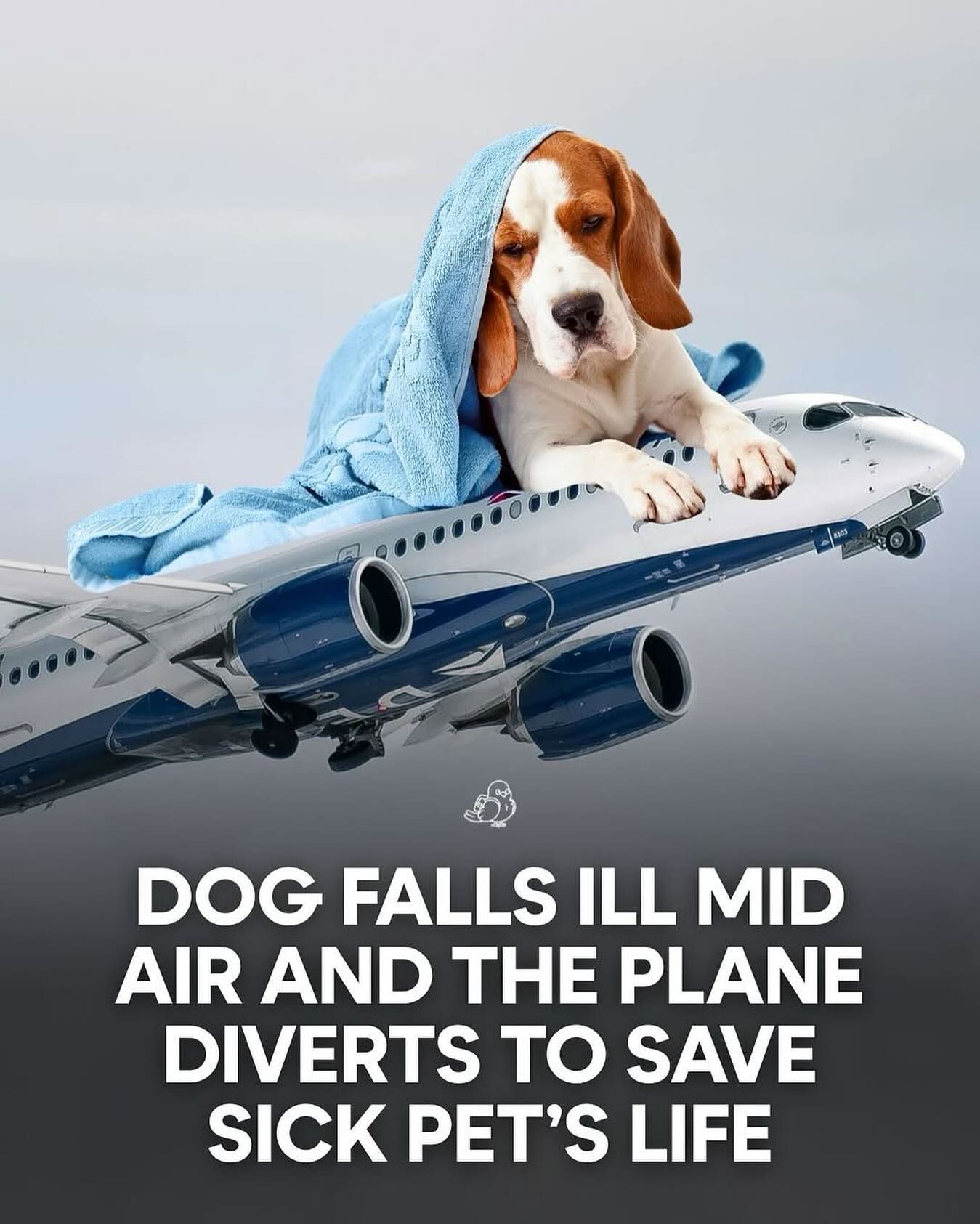
Emergency Diversion: When a Dog's Health Takes Priority Over Flight Schedules
Context / Why this matters
In the skies above the U.S., a significant event unfolded involving a dog on a flight from Detroit to Los Angeles. The flight, operated by Delta, took an unexpected turn when a passenger's dog fell seriously ill just an hour into the journey. The flight was promptly diverted to Minneapolis, highlighting the critical importance of pet safety in air travel. This incident underscores the complexities and protocols involved in managing emergencies involving pets during flights.
Main discussion
Understanding the Incident
The abrupt change in flight plans occurred when the dog, a passenger's pet, became seriously ill. The quick response from the flight attendants involved calling for a veterinarian's advice, which led to the captain's decision to make an emergency landing in Minneapolis. This immediate action not only ensured the pet's well-being but also set a precedent for how airlines handle such critical situations.
The Importance of Veterinary Advice
Veterinary advice played a pivotal role in this incident. By consulting with an onboard veterinarian, the flight crew ensured that the dog received the necessary care without wasting precious time. The veterinarian's guidance helped in making an informed decision, facilitating the captain's decision to divert the flight. This highlights the importance of having trained professionals available to handle such emergencies, whether they are onboard or accessible via telemedicine.
The Role of Paramedics
Upon landing, paramedics were on standby to assist the pet and its owner. This immediate medical support was crucial in ensuring the dog's recovery. The presence of paramedics on the ground underscored the seriousness of the situation and the airline's commitment to prioritizing safety and health, even for animals.
Impact on Flight Schedules
While the dog's recovery was confirmed, the incident resulted in a 2.5-hour delay for the flight. This delay, though significant, was a small price to pay for the safety and well-being of the pet. Delta's emphasis on safety over punctuality sent a clear message: passenger and pet safety are paramount, regardless of the operational challenges.
The Airline's Protocol
Delta's handling of this incident showcased their emergency protocol for dealing with critically ill pets. The swift and methodical response involved coordinating with ground personnel, paramedics, and veterinarians. This comprehensive approach ensured that the pet received immediate care and that the situation was managed efficiently, despite the disruption to the flight schedule.
The Psychological Impact
The impact of such incidents goes beyond the physical. For the pet's owner, the stress and anxiety of dealing with a critically ill pet in a confined space like an airplane must have been immense. The emotional toll on passengers who witnessed this event would have been significant as well.
Practical tips
For Pet Owners
- Pre-Flight Check-Up: Always ensure your pet is in good health before embarking on a flight. A pre-trip veterinary check-up can help identify any potential health issues.
- Emergency Contacts: Carry the contact details of a veterinarian who can provide telemedicine support. Ensure that the airline can also contact a veterinarian if necessary.
- Travel Insurance: Consider taking out travel insurance that covers your pet for medical emergencies.
- Comfort and Safety: Ensure your pet is comfortable and secure. Use appropriate carriers and keep them calm with familiar items and possibly a calming aid if needed.
For Airline Passengers
- Stay Calm: In emergencies, staying calm can help both the pet owner and the crew respond effectively.
- Follow Crew Instructions: Pay attention to the instructions given by the flight crew. They are trained to handle such situations and will guide you on what to do.
- Report Health Scares: If you notice any unusual behavior or distress in pets or passengers around you, inform a flight attendant immediately. Prompt reporting can save lives.
For Airlines
- Training and Protocol: Ensure that all crew members are trained to handle pet emergencies. Clear protocols should be in place to guide their responses.
- Onboard Medical Support: Having a medical professional or telemedicine support available to advise on pet health can be invaluable.
- Communication: Maintain clear and continuous communication with passengers about the situation, emphasizing safety and health.
- Equipment: Equip flights with necessary medical supplies that can be used for pets in emergencies.
Important takeaways
The incident involving the dog on the Delta flight underscores several key points:
- Safety First: Airline safety protocols prioritize the well-being of all passengers and pets, even if it means significant delays.
- Emergency Preparedness: Having a vet on call and paramedics ready on the ground can make a significant difference in handling pet-related emergencies.
- Emotional Impact: The emotional toll on pet owners and passengers in such situations should not be underestimated.
- Protocol and Training: Clear protocols and well-trained crew members are crucial in managing emergencies efficiently.
Conclusion
The Delta flight diversion for a sick dog highlights the importance of prioritizing safety and health in air travel, even for pets. The event showcases the airline's commitment to safety, the critical role of veterinary advice, and the emotional and operational impacts of such incidents. By understanding and implementing the practical tips and protocols outlined, passengers, pet owners, and airlines can be better prepared for similar situations, ensuring the safety and well-being of all involved.
Questions readers ask
What prompted the Delta flight to divert from its original route?
The Delta flight from Detroit to Los Angeles was diverted to Minneapolis due to a serious medical emergency involving a passenger's dog. The dog fell ill, and the flight crew prioritized the pet's health, leading to an emergency landing in Minneapolis.
How does this incident highlight the importance of pet safety in air travel?
This incident underscores the importance of pet safety by demonstrating the need for airlines to have protocols in place for handling medical emergencies involving pets. It also serves as a reminder for pet owners to be prepared for potential health issues during air travel and to be aware of the airline's pet policy and emergency procedures.
What can pet owners do to ensure their pet's safety during air travel?
Pet owners should familiarize themselves with the airline's pet policy, ensure their pet is healthy enough to travel, and consult with a veterinarian before flying. Additionally, owners should prepare an emergency plan and have necessary documents and supplies available during the journey.
What steps did Delta take to manage the emergency involving the sick dog?
Delta's flight crew promptly responded to the dog's medical emergency by diverting the flight to the nearest suitable airport, Minneapolis, to ensure the pet received immediate care. This involved coordination with air traffic control and potentially additional staff on the ground to manage the situation effectively.
What is Delta's policy regarding pets on flights?
Delta Airlines has specific policies for traveling with pets, including requirements for health certificates, appropriate carriers, and fees. For the most accurate and up-to-date information, it is recommended to review Delta's official website or contact their customer service directly.
What should passengers do if a pet becomes ill during a flight?
If a pet becomes ill during a flight, passengers should immediately notify the flight crew. The crew is trained to handle such situations and can initiate emergency protocols, which may include diverting the flight to ensure the pet receives proper medical attention as quickly as possible.
Are there any specific protocols for handling pet emergencies on flights?
Yes, airlines typically have protocols in place for handling pet emergencies, which may include diverting the flight to the nearest suitable airport, contacting emergency veterinary services, and coordinating with ground staff. These protocols aim to ensure the safety and well-being of the pet and address the complexities of managing such emergencies in the air.
Related deep dives
Similar reads based on topic and creator.




Recent articles
Fresh deep dives from the latest Reels we unpacked.




Comments
Be the first to comment.