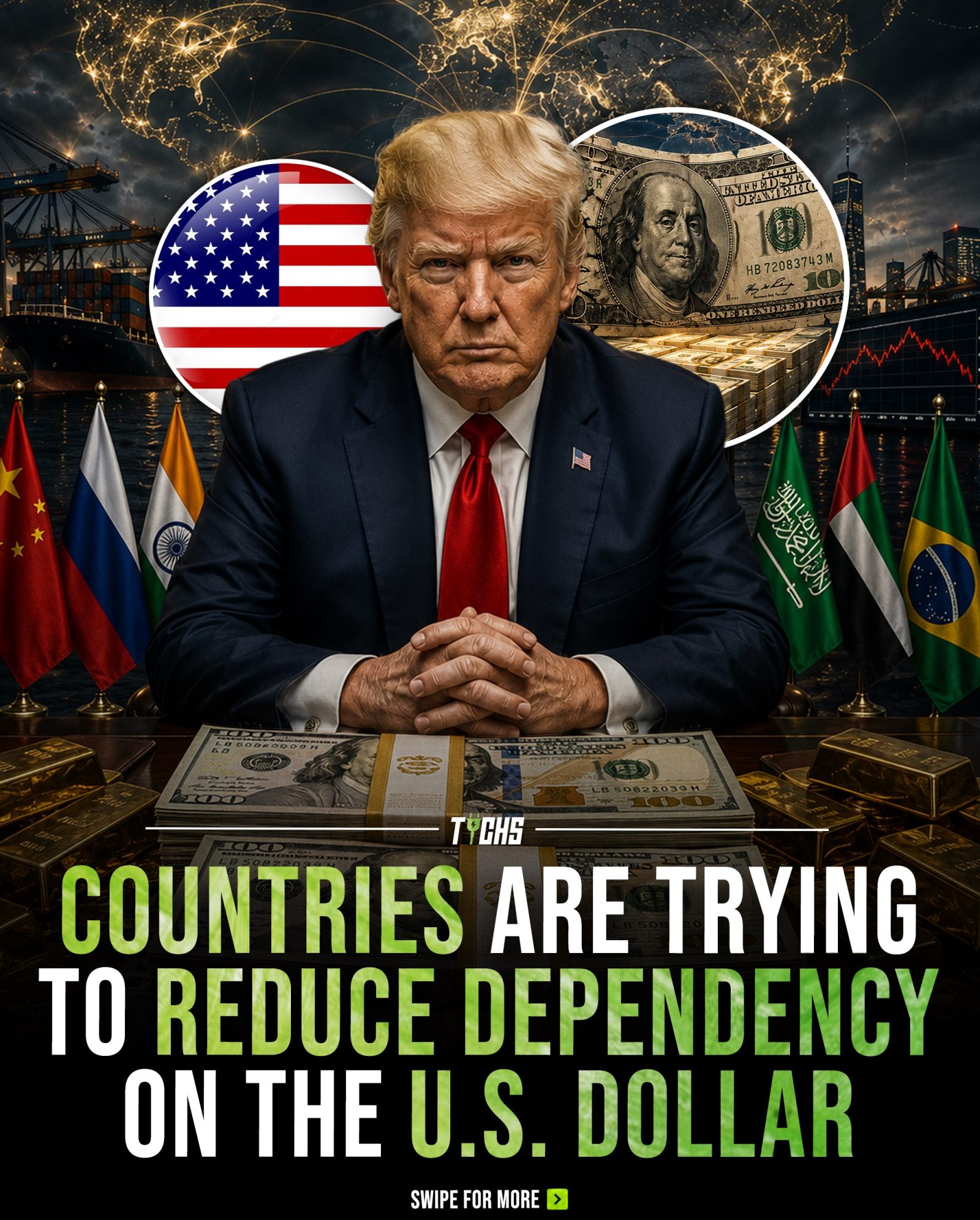
Global Finance and US Dollar Dependence
The global financial landscape is undergoing a significant transformation as countries increasingly seek to reduce their reliance on the US dollar. This shift is driven by a variety of factors, including geopolitical tensions, economic power dynamics, and the desire for greater financial independence. The US dollar has long been the cornerstone of the global financial system, but recent trends indicate a gradual decline in its dominance.
Context / Why This Matters
The US dollar has historically been the most widely used currency for international transactions, reserves, and energy markets. Its prominence can be attributed to several factors, including the stability of the US economy, the depth and liquidity of its financial markets, and the trust investors place in the US government. However, over the past 25 years, the dollar's share of global reserves has decreased significantly. In 2001, the dollar accounted for more than 71% of global reserves, but today that share has fallen below 57%. This decline is indicative of broader changes in the global financial system and reflects the efforts of numerous countries to diversify their reserves and reduce their dependence on a single currency.
Main Discussion
The Decline of the US Dollar's Dominance
The US dollar's influence has been a hallmark of the post-World War II era, supported by the Bretton Woods agreement and later by the petrodollar system. However, recent events have accelerated the desire for alternatives. For instance, the 2022 Russia sanctions highlighted the vulnerabilities associated with relying heavily on the US dollar. Countries like China and Russia, along with others, have begun to explore and implement strategies to reduce their dependence on the dollar.
Diversification of Reserves
In response to geopolitical tensions and economic uncertainties, central banks around the world have started to diversify their reserves. This diversification often involves increasing holdings of other currencies, gold, and other safe-haven assets. In 2024, central banks globally purchased over 1,000 tonnes of gold for the third consecutive year. This trend underscores the view that gold, unlike the dollar, is not subject to the same geopolitical risks and sanctions, making it a more stable asset. Gold cannot be frozen or confiscated by other countries, providing a level of security that is highly valued in the current global climate.
Alternatives and Innovations
As countries seek to reduce their dependence on the US dollar, various alternatives and financial innovations are emerging. These include local currency trading, cross-border financial networks, and digital currencies.
Local Currency Trading
One of the primary strategies countries are adopting to bypass the US dollar is to increase local currency trade. This involves conducting bilateral trade agreements where payments are settled in the local currencies of the trading partners. For example, China and Russia have been actively promoting the use of their own currencies in trade, reducing the need for the US dollar.
Development of Payment Systems
The development of alternative payment systems is another critical component of this shift. Systems like China's Cross-Border Interbank Payment System (CIPS) provide a framework for international transactions that do not rely on traditional dollar-based systems. CIPS facilitates direct transactions between banks in different countries, thus reducing dependence on the US-based SWIFT system.
Digital Currencies and CBDCs
Central Bank Digital Currencies (CBDCs) are also gaining traction as a means to enhance financial independence. CBDCs are digital versions of a country's fiat currency, issued and regulated by the central bank. They offer several advantages, including faster transaction times, lower costs, and the potential for greater financial inclusion. Countries like China, Russia, and several others within the BRICS nations are exploring CBDCs as a way to conduct international transactions more efficiently and with greater sovereignty.
Central Banks and Gold
Central banks around the world have been actively increasing their gold holdings as a strategic move. Gold, being a safe-haven asset, is seen as a stable store of value that is less susceptible to geopolitical risks and market volatility. The decision by central banks to buy more gold reflects their cautious approach to financial management, aiming to protect their economies from potential shocks.
Why Gold?
Gold is particularly attractive for several reasons:
- Safe Haven Status: Gold is generally considered a safe haven asset. During times of financial uncertainty or geopolitical turmoil, investors often turn to gold as a means of preserving wealth.
- Non-Confiscation: Unlike currencies, which can be frozen or confiscated by governments or international bodies, gold remains a tangible asset that cannot be controlled by anyone other than the owner.
- Diversification: Increasing gold reserves helps in diversifying the overall portfolio, reducing the risk associated with holding a single type of asset.
Practical Tips
For individuals and businesses looking to navigate this evolving financial landscape, here are some practical tips:
Diversify Your Portfolio
Consider diversifying your investment portfolio to include a mix of assets, including gold, other currencies, and safe-haven investments. This strategy can help mitigate risks associated with a single currency or asset class.
Stay Informed
Keep yourself updated on global financial trends and geopolitical developments. Understanding the broader context can help you make more informed decisions about your financial strategies.
Explore Alternative Payment Methods
Be open to exploring alternative payment methods, such as local currency trading and digital currencies. These methods can provide flexibility and reduce reliance on traditional systems.
Monitor Central Bank Policies
Pay attention to the policies and actions of central banks. Their decisions often have a significant impact on the broader financial landscape, and staying informed can help you anticipate potential changes.
Important Takeaways
The shift away from the US dollar is a multifaceted process driven by economic, geopolitical, and strategic considerations. While the US dollar remains a dominant force in global finance, recent trends indicate a gradual decline in its dominance. Countries are exploring alternatives, including local currency trading, new payment systems, digital currencies, and increased gold holdings.
Conclusion
The global financial system is in a state of transition, with many countries actively seeking to reduce their dependence on the US dollar. This shift is driven by a desire for greater financial independence, economic stability, and resilience in the face of geopolitical uncertainties. As countries continue to diversify their reserves, develop alternative payment systems, and explore digital currencies, the financial landscape will undoubtedly evolve. Understanding these changes and their implications is crucial for navigating the future of global finance.
Questions readers ask
What are the primary reasons behind the decline of the US dollar in global finance?
The decline of the US dollar is primarily due to countries seeking financial independence and diversifying their reserves. Geopolitical tensions, economic shifts, and the desire to reduce reliance on a single currency are all significant factors driving this change.
Which countries are leading the shift away from the US dollar?
Countries like Russia are leading the shift; for example, Russia has been actively reducing its US dollar reserves and increasing its gold reserves as a hedge against potential sanctions and to promote financial independence.
How are central banks responding to the decline of the US dollar?
Central banks are diversifying their reserve currencies by increasing their holdings in other major currencies, gold, and even local currencies. This strategy helps to mitigate risk and reduce dependence on the US dollar, promoting more resilient financial systems.
What alternatives are countries considering to replace the US dollar?
Countries are exploring several alternatives, including other major currencies like the Euro and the Chinese Yuan, as well as increasing their gold reserves. Additionally, some countries are promoting local currencies for international transactions to foster regional financial integration.
What impact does this shift have on the global financial landscape?
The shift away from the US dollar is reshaping the global financial landscape. This transformation involves expanding financial systems, diversifying central reserves, and creating a more balanced and less US-centric financial ecosystem.
How does geopolitics influence the decline of the US dollar?
Geopolitical tensions, such as trade disputes and sanctions, are a major catalyst for the decline of the US dollar. These tensions prompt countries to seek financial independence and reduce their reliance on a currency that can be subject to geopolitical pressures.
What steps can a country take to reduce its reliance on the US dollar?
A country can reduce its reliance on the US dollar by diversifying its reserves with other currencies and gold, promoting the use of local currencies in international trade, and fostering closer financial ties with partner nations to create alternative financial systems.
Recent articles
Fresh deep dives from the latest Reels we unpacked.




Comments
Be the first to comment.