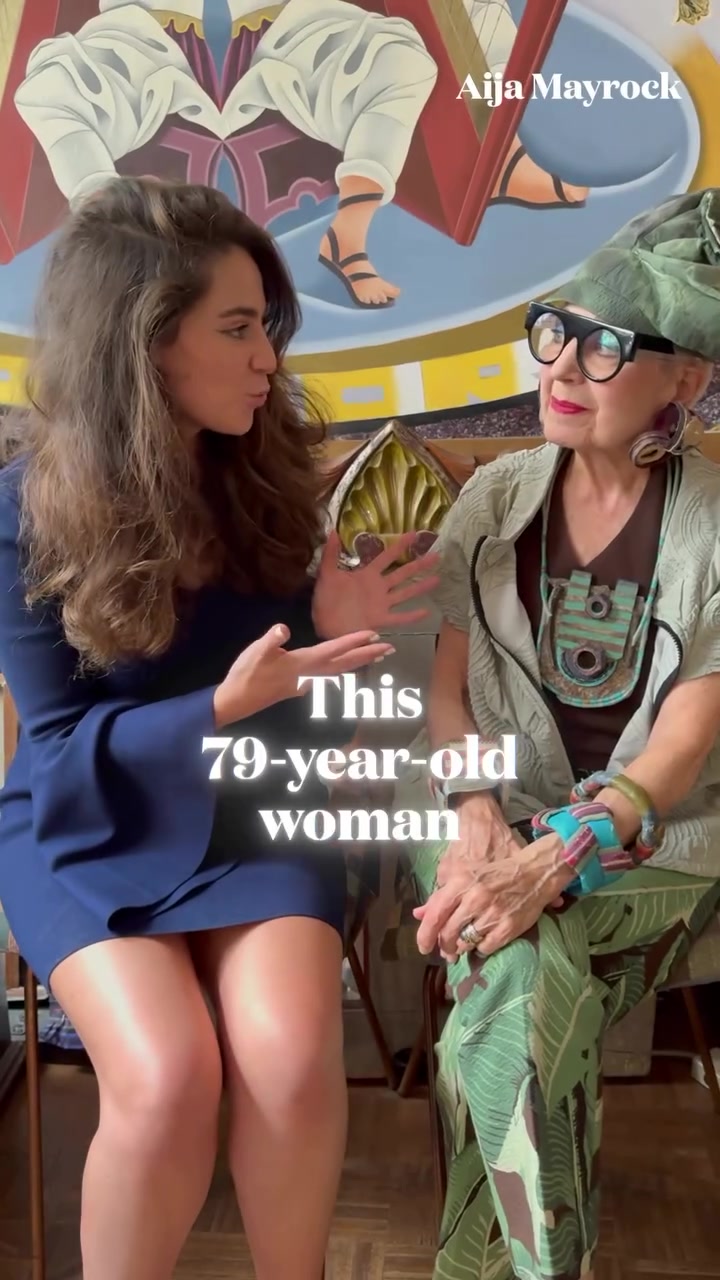
Deborah Rappaport, 79, transforms trash into high fashion. From the streets of New York to the world’s museums, her bracelets and earrings — crafted from discarded toilet paper rolls, metal wire, and paper towels— are garnering art-world praise.
The Art of Deborah Debris
The story of Deborah Rappaport, a woman known as "Deborah Debris", revolves around the endless possibilities of found objects. Her firsthand experiences with poverty exposed her to not having the money to buy what she needed, like materials for fashion design, forcing her to use trash and found objects. Her works encompass a range of clothing accessories such as bracelets. Influenced by the idea that everything is a hat, she transforms lampshades into headgear. The fashion world has a unique relationship with unconventional materials. Some designers may rely on fabrics or plastics to create their clothing. But Deborah Rappaport’s pieces mount a statement on the importance of sustainability and creative thinking. Fashion accessories typically made of metal, plastic, or glass can be traded for more sustainable alternatives. On the other hand, Rappaport's axiom that beauty is in the eye of the beholder is a nod to the power of perspective. It's an aesthetic philosophy that places her work sympathetically within the context of broader artistic movements that question the traditional definitions of beauty. Her approach supports the idea that objects typically tossed as waste can be repurposed into functional and beautiful art. Such a perspective may be an outlet for people who are interested in designing their own accessories or are looking for a way to create art in their own lives.
Cultural movement toward the art of upcycling
Deborah Rappaport walks the streets of New York and picks up trash. That may be why her unique creations are gaining traction in a culture poised for change, and in the spotlight of the recent movement to upcycle. Upcycling takes one person’s waste and turns it into treasure, creating unique, functional, and beautiful items. This concept supports the broader environmental impact of Deborah’s work. In a world overwhelmed by continuous consumption, Rappaport’s designs serve as a reminder that waste has value.
Upcycling into three dimensions
Recycle a lampshade into a hat, a toilet paper roll into earrings, and a teabag into a fashion item. Deborah Rappaport transforms ordinary items into unique fashion. Her creative process involves finding pieces of metal on the streets, and turning them into bracelets. She weaves paper towels, toilet paper rolls, and paper over twisted or flat pieces to create 3-dimensional designs. Her unique fashion pieces often pay homage to the legacy of other designers.
A Creative Process of Conversation
Rappaport’s creative process, reveals how she thinks about materials. She says, "When I find things like pieces of metal on the street, I pick them up and I somehow have a relationship with them." The process is described as a relationship, in which "They become my friend, and then they speak to me." Furthermore, "In that conversation, we decide what to do". The transformative process becomes a metaphorical conversation. It finds its groundwork in the creative spark of a human mind engaging with its surroundings, drawing out potential from things often overlooked.
Museums Set the Stage
Deborah Rappaport’s 79-year-old fashion designer's creations are featured in museums around the world. She also just got signed to a modeling agency with her husband. The museum world’s embrace of her work adds a layer of validation to the concept of upcycling. This recognition indicates that the integration of found objects as accessories can be transformed into museum-worthy art.
Getting Started with Upcycling
- Rotate and elucidate: Rotate and elucidate your design to create a 3D accessory, making it look more dynamic and real.
- Start small: Begin with simple projects, such as bracelets made from paper towels, and gradually take on more complex designs. Mastering the basics will give you a strong foundation.
- Engage with found objects: Engage with found objects and let them speak to you, discovering their potential as part of your creation. The impact of Deborah Rappaport’s story is multi-faceted. Her journey from picking up trash in New York to selling her creations to museums worldwide is a testament to the potential of creativity and resourcefulness. It demonstrates that a person can create something truly valuable from anything, even the humblest of materials.
Questions readers ask
What inspires Deborah Rappaport to create her unique fashion designs from trash?
Deborah Rappaport's inspiration comes from her past experiences with poverty, which forced her to use found objects and trash to create fashion accessories. Her unique perspective that everything can be a hat or accessory drives her to transform discarded items into high fashion pieces. She finds beauty in unexpected places, which is a core philosophy of her work.
How does Deborah Rappaport transform everyday trash into high fashion accessories?
Deborah Rappaport's creative process involves picking up discarded items like metal wire, toilet paper rolls, and paper towels from the streets of New York. She then weaves and shapes these materials into unique 3-dimensional designs, such as bracelets and earrings. Her approach is both practical and symbolic, turning waste into wearable art that challenges traditional notions of beauty and sustainability.
What are the environmental benefits of Deborah Rappaport's designs and the upcycling movement?
Deborah Rappaport's designs promote sustainability by reducing waste and encouraging the reuse of discarded items. The upcycling movement, which she is a part of, takes one person's trash and turns it into functional and beautiful art. This process helps to combat the environmental impact of continuous consumption and serves as a reminder that waste has value.
How does Deborah Rappaport's work fit into the broader context of art and design?
Deborah Rappaport's work is a unique blend of fashion and art, fitting into broader artistic movements that question traditional definitions of beauty. By transforming trash into high fashion accessories, she challenges the idea of what can be considered art and encourages people to see the potential in everyday objects. Her approach supports the idea that art can be created from anything, and that everything is a potential canvas.
What kind of materials does Deborah Rappaport use in her designs, and where does she source them from?
Deborah Rappaport uses a variety of materials in her designs, including metal wire, toilet paper rolls, and paper towels. She sources these materials from the streets of New York, picking up discarded items and turning them into unique fashion accessories. Her creative process involves finding pieces of metal on the streets, and turning them into bracelets, and weaving paper towels, toilet paper rolls, and paper over twisted or flat pieces to create 3-dimensional designs.
How does Deborah Rappaport's creative process involve a 'conversation' with the materials she finds?
Deborah Rappaport describes her creative process as a relationship with the materials she finds. She says, 'When I find things like pieces of metal on the street, I pick them up and I somehow have a relationship with them.' This process involves a metaphorical conversation where the materials 'speak to her' and together they decide what to create. It’s a unique and personal way of engaging with found objects, turning them into wearable art.
Related deep dives
Similar reads based on topic and creator.


Recent articles
Fresh deep dives from the latest Reels we unpacked.


Comments
Be the first to comment.