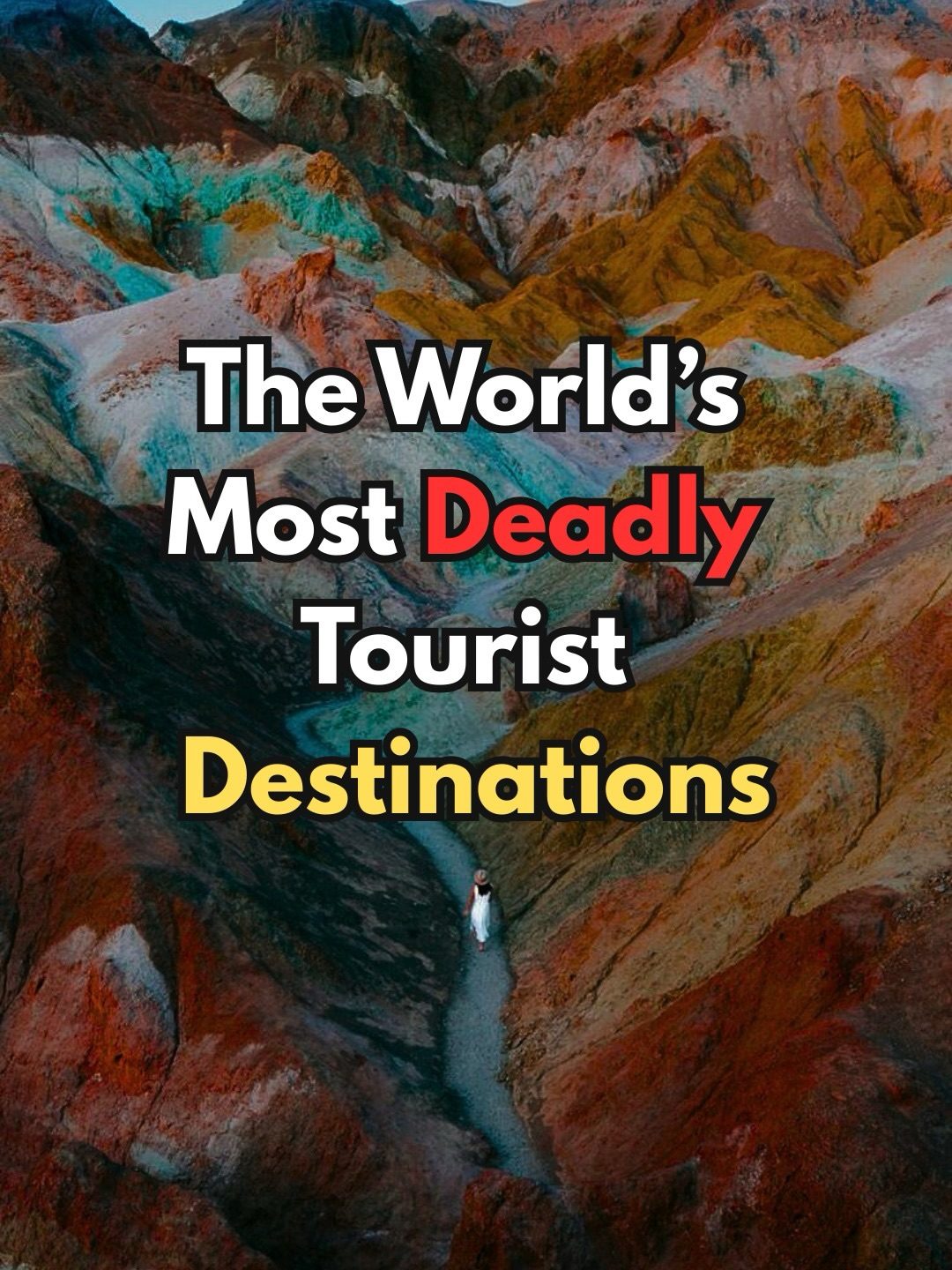
The World’s Most Deadly Tourist Destinations
Tourism is a global phenomenon that attracts millions of visitors each year. While many destinations offer breathtaking landscapes and enriching cultural experiences, some locations are known for their inherent dangers. Understanding these risks can help travelers make informed decisions and stay safe during their adventures.
Context / Why this matters
The appeal of visiting exotic and remote locations often overshadows the potential dangers lurking beneath the surface. From natural hazards to hazardous wildlife, there are several tourist destinations where caution must be the top priority. By understanding the risks associated with these locales, travelers can better prepare and avoid becoming victims of these treacherous environments.
Main discussion
Bikini Atoll
Located in the Marshall Islands, Bikini Atoll has a fascinating and controversial history. Once a tropical paradise, it became a site of nuclear testing by the United States between 1946 and 1958. The atoll was chosen due to its remote location and the belief that it could withstand the powerful blasts. Today, it is one of the most radioactive places on Earth, presenting significant risks to visitors.
Despite its dangerous past, Bikini Atoll remains a popular destination for divers and adventurers seeking to witness the remnants of the nuclear tests. However, visitors must be aware of the radiation levels and follow strict guidelines to ensure their safety. The lagoon, once teeming with marine life, is relatively safe for short-term visits, but prolonged exposure can be hazardous.
Snake Island
Snake Island, known as Ilha da Queimada Grande in Portuguese, is situated off the coast of Brazil. Although it may seem like a serene tropical escape, the island is infested with Golden Lancehead vipers, one of the deadliest snakes in the world. The venomous snakes are particularly dangerous due to their aggressive nature and potent venom, which can cause severe tissue damage and even death if left untreated.
The island is off-limits to the public, and accessing it is strictly prohibited by the Brazilian government. However, those who attempt to visit the island face severe penalties. The isolation and extreme danger make Snake Island a place of fascination and terror for many.
Practical tips
Visiting potentially dangerous tourist destinations requires a high degree of caution and preparation. Here are several practical tips to keep in mind:
- Research Thoroughly: Before planning a trip, thoroughly research the destination to understand the specific risks and safety protocols. Be aware of local warnings and regulations.
- Travel with a Guide: If possible, travel with an experienced guide who is familiar with the area's hazards and can provide expert advice on staying safe.
- Pack Appropriate Gear: Bring necessary safety equipment, such as first-aid kits, protective clothing, and communication devices. Ensure you have access to medical assistance if needed.
- Follow Guidelines: Adhere to all local guidelines and regulations, including restricted areas and safety protocols. This is especially important in areas with high levels of radiation or dangerous wildlife.
Important takeaways
Traveling to the world's most deadly tourist destinations can be an exhilarating experience, but it comes with significant risks. By understanding the potential dangers and taking necessary precautions, travelers can minimize these risks and enjoy their adventures safely. Whether it's the radiation in Bikini Atoll or the venomous snakes on Snake Island, staying informed and prepared is the key to safe travel.
Conclusion
Exploring the world's most deadly tourist destinations can be a thrilling adventure, but it is crucial to understand the inherent risks. From the remnants of nuclear tests in the Marshall Islands to the venomous snakes in Brazil, these locations present unique challenges and dangers. By being well-prepared and following strict safety guidelines, travelers can navigate these treacherous environments and create unforgettable memories while ensuring their safety.
Questions readers ask
What makes Bikini Atoll a dangerous tourist destination?
Bikini Atoll is dangerous due to its history as a nuclear testing site. The residual radiation from the tests makes it unsafe for prolonged exposure, even if the environment looks pristine. Visitors must follow strict guidelines to minimize exposure. The water in certain areas has also been contaminated by the nuclear tests.
Are there any safe areas to visit in Bikini Atoll?
While the entire atoll is affected by radiation, some areas are safer than others. Guided tours are available and are designed to keep visitors away from the most contaminated zones. These tours typically focus on historical and natural points of interest while ensuring minimal radiation exposure.
What type of wildlife poses a threat on Snake Island, Brazil?
Snake Island, Brazil, is home to the golden lancehead viper, one of the world's most venomous snakes. The island is inhabited by thousands of these deadly snakes, making it extremely dangerous for visitors. The snakes are aggressive and their venom can be lethal to humans.
What steps should tourists take when visiting hazardous islands like Snake Island, Brazil?
Visiting Snake Island, Brazil, is highly discouraged due to the extreme danger posed by the golden lancehead vipers. However, if visiting is necessary, it's crucial to follow strict guidelines and never venture off the designated safe zones. Tourists should stay with experienced guides and avoid any activities that could provoke the snakes.
Why are there radioactive travel destinations like Bikini Atoll?
Bikini Atoll became radioactive due to nuclear tests conducted by the United States in the mid-20th century. The fallout from these tests has left the atoll contaminated, making it a unique but hazardous destination. Despite the dangers, some visitors are drawn to the historical significance and the eerie beauty of the place.
Related deep dives
Similar reads based on topic and creator.

Recent articles
Fresh deep dives from the latest Reels we unpacked.
Comments
Be the first to comment.