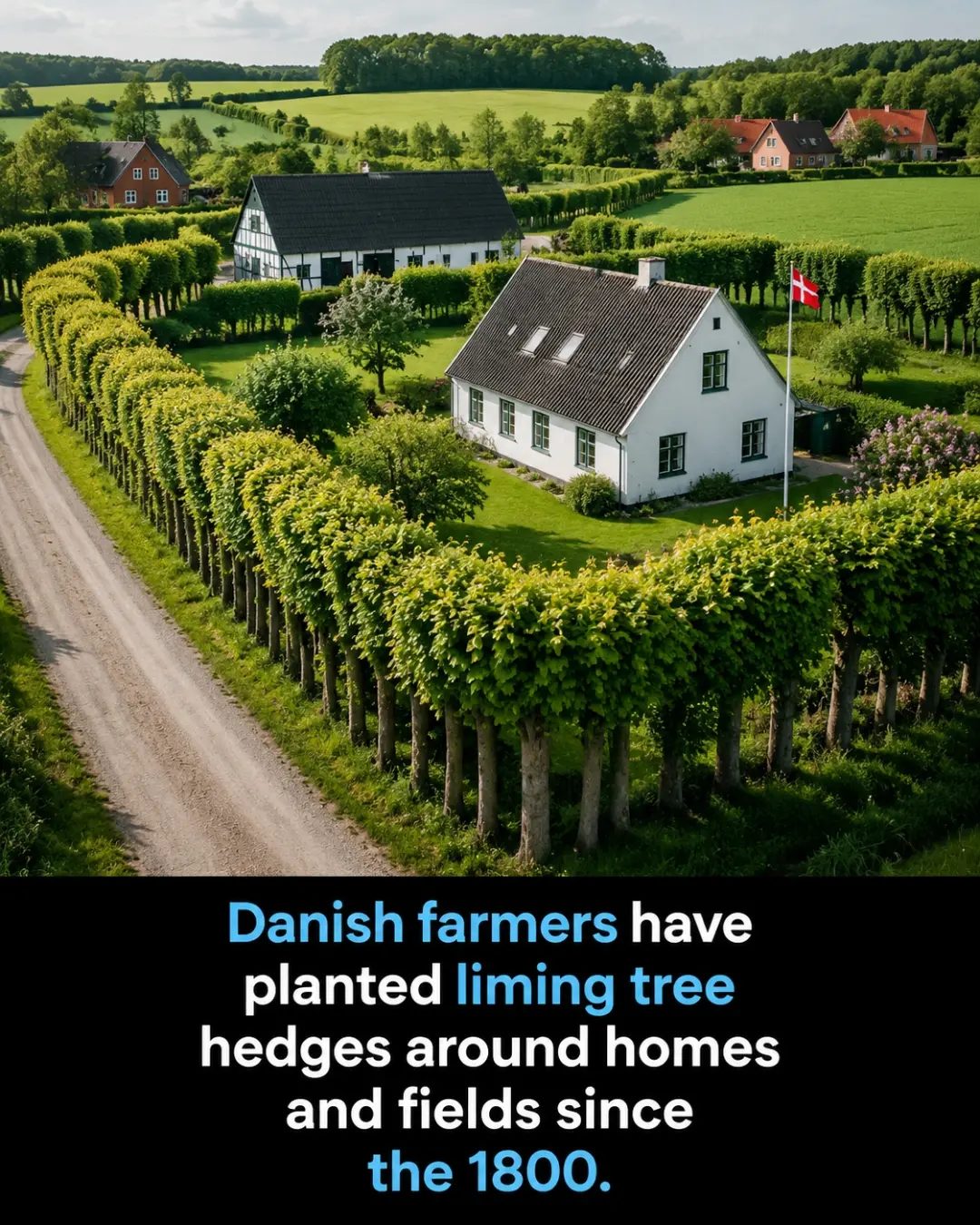
Danish Farming Tradition: The Legacy of Liming Tree Hedges
Danish farming has a rich tradition that stretches back over centuries. One of the most distinctive features of this tradition is the practice of planting liming tree hedges around homes and fields. This practice, which dates back to the 1800s, has significantly shaped the Danish landscape, creating a unique and picturesque environment.
Why This Matters
The tradition of planting liming tree hedges is more than just an aesthetic choice; it has practical benefits that have stood the test of time. These hedges serve multiple purposes, from providing natural fencing to enhancing biodiversity. Understanding this tradition offers insights into sustainable farming practices and the historical evolution of agricultural landscapes.
The Origins and Evolution of Liming Tree Hedges
Historical Context
The practice of planting liming tree hedges in Denmark can be traced back to the 1800s. During this period, farmers began to realize the benefits of these hedges, which included natural fencing, wind protection, and soil conservation. The liming trees, with their dense foliage and robust growth, provided an effective barrier that helped to protect crops and livestock from harsh weather conditions and pests.
The Role of Liming Trees
Liming trees, also known as lime trees, are known for their tall growth and dense foliage. These trees are well-suited for creating hedges due to their ability to thrive in various soil conditions and their rapid growth rate. The hedges not only serve as physical barriers but also contribute to the overall aesthetic of the Danish landscape, making it one of the most recognizable features of the countryside.
The Landscape Impact
Over time, the planting of liming tree hedges has transformed the Danish landscape into a patchwork of green fields bordered by tall, lush hedges. This distinctive feature has become a hallmark of Danish farming, adding to the country's natural beauty and ecological diversity.
The Benefits of Liming Tree Hedges
Natural Fencing
One of the primary benefits of liming tree hedges is their ability to serve as natural fencing. Unlike artificial fences, these hedges provide a living barrier that can adapt to the environment. They are effective in keeping livestock within designated areas and preventing unwanted animals from entering farmlands.
Wind Protection
The dense foliage of liming trees acts as a natural windbreak, protecting crops and livestock from strong winds. This is particularly important in Denmark, where windy conditions can be harsh and unpredictable. By reducing wind speed, the hedges help to minimize soil erosion and maintain soil fertility.
Biodiversity Enhancement
Liming tree hedges also play a crucial role in enhancing biodiversity. They provide habitats for various bird and insect species, contributing to the overall ecological health of the area. Additionally, the hedges support a diverse range of plant life, creating a thriving ecosystem that benefits both farmers and wildlife.
Soil Conservation
The root systems of liming trees help to stabilize the soil, reducing erosion and maintaining soil quality. This is essential for sustainable farming, as healthy soil is the foundation of productive agriculture. By preventing soil depletion, the hedges ensure that the land remains fertile for future generations.
Practical Tips for Planting and Maintaining Liming Tree Hedges
Site Selection
When planning to plant liming tree hedges, it is essential to choose the right location. Ideally, the hedges should be planted along the edges of fields and around homes to provide natural fencing and wind protection. Ensure that the site has well-drained soil, as this will support the healthy growth of the trees.
Planting Techniques
Planting liming tree hedges requires careful preparation. Dig a trench along the desired location, ensuring that it is deep and wide enough to accommodate the root systems of the trees. Place the saplings in the trench, spacing them approximately 1 to 2 meters apart, depending on the desired density of the hedge. Backfill the trench with soil and water the saplings thoroughly to promote root establishment.
Maintenance
Regular maintenance is crucial for the health and longevity of liming tree hedges. Prune the trees annually to maintain their shape and density. This not only enhances their aesthetic appeal but also ensures that they continue to serve their intended purpose effectively. Additionally, monitor the hedges for pests and diseases, addressing any issues promptly to prevent damage.
Enhancing Biodiversity
To maximize the ecological benefits of liming tree hedges, consider planting a variety of native species alongside the liming trees. This will create a more diverse habitat, supporting a broader range of wildlife. Adding wildflowers and other plants can also enhance the visual appeal of the hedges, making them a more attractive feature of the landscape.
Important Takeaways
The tradition of planting liming tree hedges in Denmark is a testament to the country's commitment to sustainable farming practices and ecological conservation. These hedges offer multiple benefits, from providing natural fencing and wind protection to enhancing biodiversity and conserving soil. By understanding and adopting this practice, farmers can contribute to the preservation of the Danish landscape and ensure the long-term sustainability of their agricultural activities.
Conclusion
Liming tree hedges are a cornerstone of Danish farming tradition, embodying a blend of practicality and aesthetic appeal. Their historical significance and modern-day benefits make them an invaluable part of the Danish landscape. Embracing this tradition can help farmers create more sustainable and resilient ecosystems, ensuring a prosperous future for both agriculture and the environment.
Questions readers ask
What are liming tree hedges and where did they originate?
Liming tree hedges are a unique feature of Danish farming, consisting of trees planted to create natural fences around farms and fields. This practice began in the 1800s and has since become a defining characteristic of the Danish countryside, contributing to its distinctive landscape.
What are the primary benefits of liming tree hedges in Danish farming?
Liming tree hedges offer several benefits, including acting as natural fences to protect crops and livestock. They also enhance biodiversity by providing habitats for various species, and contribute to sustainable farming by reducing the need for artificial fencing and promoting ecological balance.
How have liming tree hedges influenced the Danish landscape?
Over centuries, liming tree hedges have significantly shaped the Danish landscape, creating a picturesque environment with white houses and lush green fields. From an aerial view, these hedges form intricate patterns that are a hallmark of traditional Danish farm landscapes.
What role do liming tree hedges play in promoting sustainability?
Liming tree hedges contribute to sustainable farming in Denmark by providing a natural solution to fencing needs, reducing the reliance on artificial materials. They also support local biodiversity by creating habitats for various plants and animals, promoting a balanced ecosystem.
Are liming tree hedges unique to Denmark?
While similar hedging practices exist in other countries, the specific use of liming trees and the extensive integration of these hedges into farming practices is uniquely Danish. This tradition is deeply rooted in the country's agricultural history and continues to be an essential aspect of Danish farming practices.
What types of trees are commonly used in liming tree hedges?
The term 'liming' refers to the practice of planting trees with a particular focus on species that thrive in the Danish climate and soil. Commonly used trees include hawthorn, blackthorn, and other native species that form dense, effective hedges.
How do liming tree hedges help in protecting crops and livestock?
Liming tree hedges act as natural barriers that protect crops from wind, reduce soil erosion, and provide shelter for livestock. They also help in controlling pests and predators, creating a more secure environment for farming activities.
Related deep dives
Similar reads based on topic and creator.



Recent articles
Fresh deep dives from the latest Reels we unpacked.



Comments
Be the first to comment.