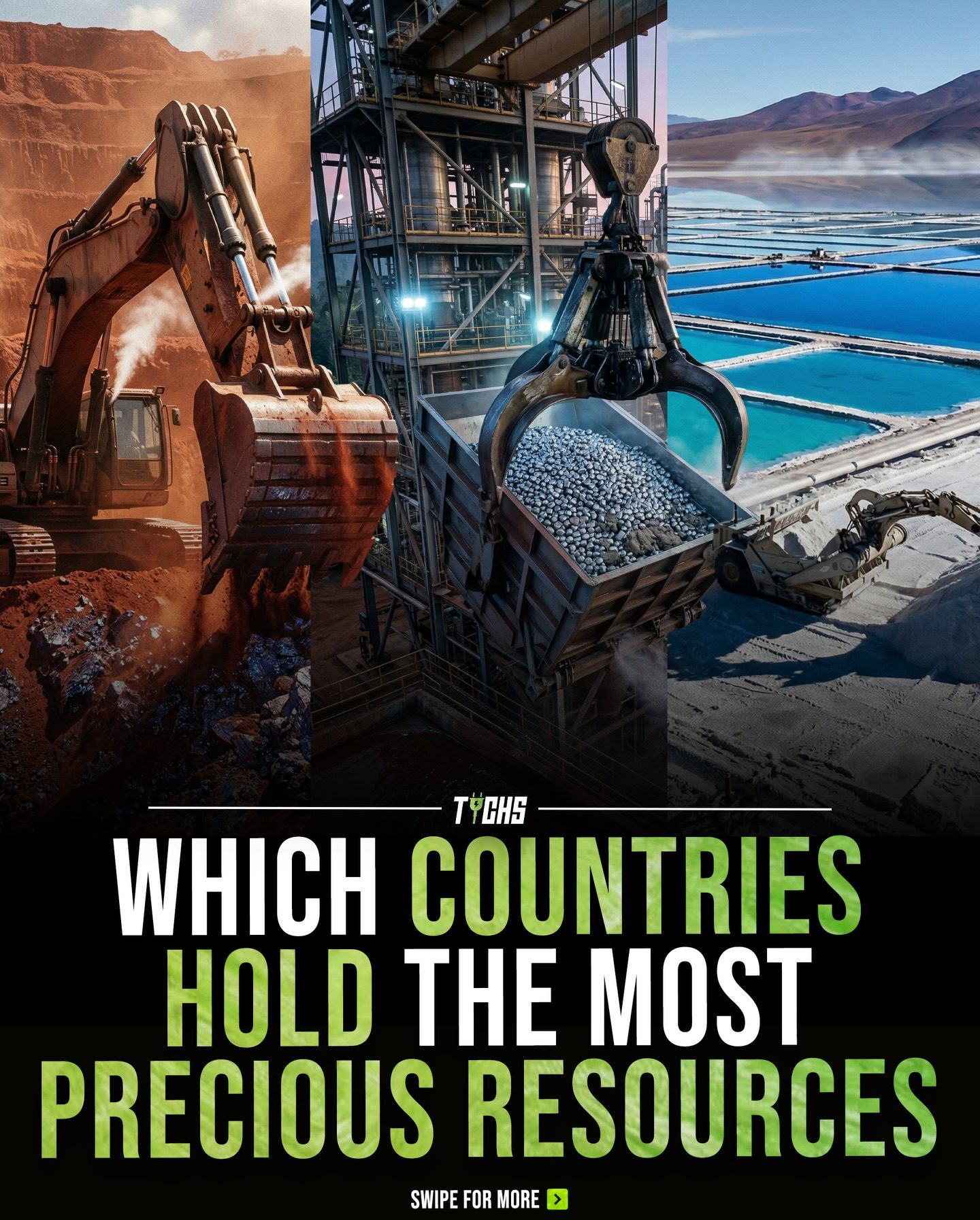
Resource Control by Countries
The strategic control of key natural resources significantly influences global power dynamics, shaping economies and technological advancements. Certain countries dominate the production and processing of critical materials essential for energy, technology, and food systems. Here, we explore the geopolitical landscape of resource control, focusing on countries that hold significant sway over global supply chains.
Context / Why This Matters
Understanding which countries hold the most precious resources provides insights into global power dynamics and the intricate web of international relations. Resource control isn't just about raw materials; it influences everything from economic stability to technological innovation and national security. For instance, control over rare earth elements is crucial for modern technology, while dominance in freshwater resources affects global agriculture and food security.
Main Discussion
Oil Reserves
Venezuela sits atop the list of countries with the largest proven oil reserves. Oil is a cornerstone of global energy systems, and Venezuela's vast reserves make it a key player in the energy market. These reserves are crucial for both domestic energy consumption and exports, positioning Venezuela as a significant influencer in global energy politics.
Lithium Production
Chile is a major hub for lithium production, a critical component in the batteries that power electric vehicles (EVs). As the world shifts towards more sustainable transportation, Chile's lithium reserves become increasingly valuable. The country's control over this resource positions it as a pivotal player in the burgeoning EV industry, driving innovation and economic growth.
Cobalt Dominance
The Democratic Republic of the Congo (DRC) is the world’s leading producer of cobalt, a vital material for rechargeable batteries and electronic devices. Cobalt's unique properties make it indispensable for modern technology, and the DRC's dominance in its production gives it considerable geopolitical influence. The country's control over this resource shapes global supply chains and influences technological advancements.
Rare Earth Elements
China's control over rare earth elements is particularly noteworthy. Rare earth elements are essential for a wide range of technologies, from smartphones to wind turbines. China not only holds over 60% of the world's reserves but also dominates the processing supply chain, giving it a powerful position in the global technology sector. This control enables China to influence the production and distribution of high-tech goods, often setting the pace for innovation and development.
Uranium and Freshwater
Canada stands out for its significant uranium reserves and freshwater resources. Uranium is a key component in nuclear energy, providing a low-carbon source of power. Canada’s nearly 20% share of the world's freshwater resources makes it a critical player in global agriculture and food security. Controlling these resources positions Canada as a leader in clean energy and sustainable development, influencing global strategies for energy and water management.
Iron Ore and Nickel
Australia dominates the iron ore market, which is crucial for steel production. The country's vast iron ore reserves make it a cornerstone of the global steel industry, influencing construction and manufacturing sectors worldwide. Indonesia, on the other hand, leads in nickel production, a vital material for stainless steel and rechargeable batteries. These resources underline the importance of both countries in the global industrial landscape.
Agricultural Powerhouse
Brazil is a global leader in agriculture, with vast reserves of arable land and a diverse range of crops. Its control over agricultural resources positions it as a key player in the global food system, influencing everything from food prices to food security. Brazil's dominance in agriculture drives innovation in farming practices and shapes global trade dynamics.
Platinum Production
South Africa is the world’s leading producer of platinum, a precious metal used in catalytic converters, jewelry, and various industrial applications. The country's control over platinum reserves gives it significant influence in the automotive and industrial sectors, shaping global supply chains and driving technological advancements.
Practical Tips
To navigate the complexities of global resource control, consider the following practical tips:
Stay Informed
Keep abreast of geopolitical developments and resource trends. Understanding which countries control key resources can help you make informed decisions, whether you're investing in the stock market, planning a business venture, or simply staying engaged with global events. Follow reliable news sources and expert analyses to stay updated on the latest resource trends and geopolitical shifts.
Diversify Investments
Diversify your investment portfolio to mitigate risks associated with resource dependency. Investing in a mix of countries and sectors can help insulate your investments from the volatility of resource markets. For instance, diversifying into renewable energy, technology, and agriculture can provide a buffer against fluctuations in traditional energy markets.
Support Sustainable Practices
Support companies and initiatives that prioritize sustainable resource management. Sustainable practices ensure that resource extraction and use are aligned with long-term environmental and economic goals, promoting a more balanced and equitable world. Invest in companies that adopt environmentally friendly technologies and practices, as they are likely to be more resilient and future-proof.
Engage with Local Communities
Engage with local communities and stakeholders to gain insights into resource management practices. Local communities often have valuable knowledge and experience in resource management, which can inform more effective and equitable policies. Collaborate with local organizations and leaders to develop strategies that benefit both local communities and the broader global community.
Important Takeaways
Resource control is a multifaceted issue that touches on economics, technology, and geopolitics. Key takeaways include:
- Key countries dominate specific resource sectors, influencing global supply chains and technological advancements.
- Understanding which countries hold the most precious resources provides valuable insights into global power dynamics.
- Resource control can significantly impact energy, technology, and food systems, shaping global strategies and policies.
Conclusion
The control over key natural resources is a complex and dynamic issue that affects every aspect of modern life. From energy production to technological innovation, resource control plays a pivotal role in shaping global power dynamics. Whether it's Venezuela's oil reserves, Chile's lithium production, or China's rare earth elements, understanding these geopolitical realities can provide valuable insights into the world's economic and technological landscape.
By staying informed, diversifying investments, and supporting sustainable practices, you can navigate the complexities of resource control and contribute to a more equitable and sustainable future.
Questions readers ask
Which countries are the leading producers of critical resources like lithium and cobalt?
Countries like Chile and the Democratic Republic of the Congo are dominant in the production of critical resources. Chile is the global leader in lithium production, while the Democratic Republic of the Congo holds a significant portion of the world's cobalt reserves. These resources are essential for technologies such as electric vehicles and renewable energy systems.
How does control over resources like oil and uranium impact global power dynamics?
Control over resources like oil and uranium greatly influences global power dynamics. Countries with substantial oil reserves, such as Venezuela, can wield significant influence over energy markets and geopolitical strategies. Similarly, countries rich in uranium, like Kazakhstan, play a crucial role in the global nuclear energy sector, impacting national security and energy policies worldwide.
What role does China play in global resource control, especially in rare earth elements?
China is a major player in the global resource control landscape, particularly in the production of rare earth elements. These elements are vital for advanced technologies, including electronics and defense systems. China's dominance in this sector allows it to shape global supply chains and technological innovation. This control extends to various other critical resources, making China a key influencer in global resource production and distribution.
Which countries are leading in the production of freshwater resources, and why is this important?
Brazil, Canada, and Russia are among the top countries in freshwater resources. Brazil holds the largest freshwater reserves in the world. These resources are vital for agricultural production, industrial processes, and public health, making these countries significant in global water supply and management.
How does control over resources like cobalt and lithium impact the global technology sector?
Control over resources like cobalt and lithium is pivotal for the global technology sector, particularly in the production of batteries for electric vehicles and energy storage systems. Countries like the Democratic Republic of the Congo and Chile, which dominate the production of these resources, can influence the development and deployment of clean energy technologies, affecting technological innovation and market trends.
What are some of the key resources controlled by countries and how do they influence global markets?
Key resources controlled by countries include oil, lithium, cobalt, rare earth elements, and uranium. These resources influence global markets by determining the cost and availability of essential goods and services. For example, oil-producing countries can manipulate energy prices, while control over lithium and cobalt impacts the cost and supply of batteries, affecting the electric vehicle and renewable energy markets.
Recent articles
Fresh deep dives from the latest Reels we unpacked.




Comments
Be the first to comment.