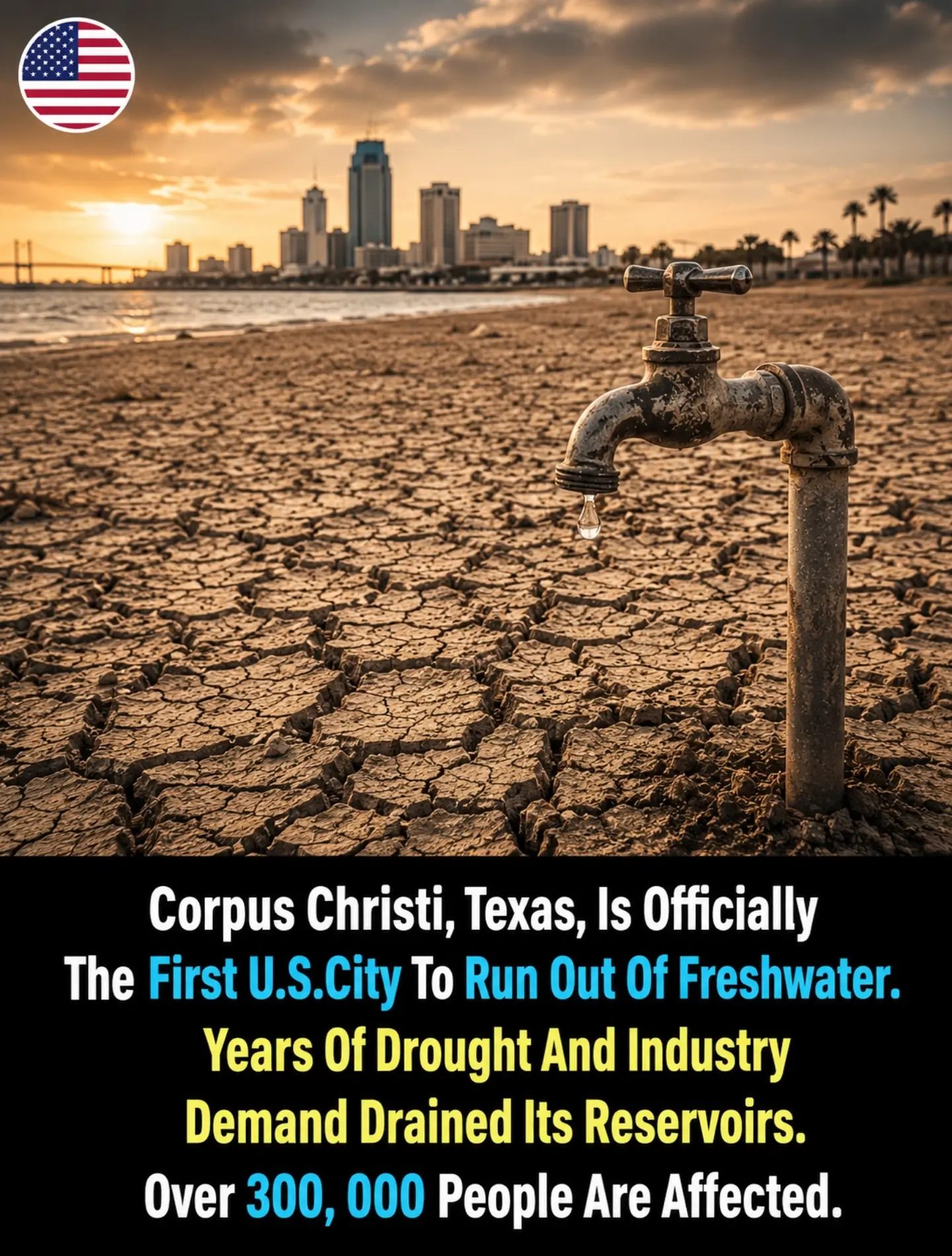
Drought in Corpus Christi
Corpus Christi, Texas, has become the first city in the United States to officially run out of freshwater. This dire situation is the result of years of severe drought and high industrial demand, which have depleted the region's reservoirs. Over 300,000 people are now affected by this water crisis, highlighting the urgent need for sustainable water management practices.
Why This Matters
The water shortage in Corpus Christi is a stark reminder of the broader challenges facing water management in the United States. As climate change exacerbates drought conditions and industrial activities continue to strain water resources, cities across the country may face similar crises. Understanding the specifics of Corpus Christi's situation can provide valuable insights into how other regions might prepare and respond to such emergencies.
The Timeline and Causes of the Water Crisis
Years of Drought
Corpus Christi has been grappling with drought conditions for several years. The lack of consistent rainfall has significantly reduced the water levels in local reservoirs, which are the primary sources of freshwater for the city. The prolonged dry spell has made it challenging to replenish these reservoirs, leading to a severe shortage of water.
Industrial Demand
In addition to drought, industrial demand has played a crucial role in depleting Corpus Christi's water reserves. Industries, including manufacturing, energy production, and agriculture, require substantial amounts of water for their operations. The high demand from these sectors has strained the already limited water resources, contributing to the current crisis.
Impact on the Community
The water shortage has had a profound impact on the over 300,000 residents of Corpus Christi. Daily activities such as drinking, cooking, and personal hygiene are severely affected. Moreover, the lack of water can disrupt essential services, including healthcare and sanitation, further exacerbating the crisis. The situation underscores the importance of water for maintaining public health and the functioning of urban infrastructure.
The Environmental Impact
The environmental consequences of the water crisis extend beyond the city limits. The depleted reservoirs have led to environmental degradation, including the loss of aquatic habitats and the disruption of ecosystem services. The reduced water flow in rivers and streams can also affect downstream communities and wildlife, highlighting the interconnected nature of water resources.
Practical Tips for Water Conservation
Given the severity of the water crisis, it is essential to adopt water conservation practices both at the individual and community levels. Here are some practical tips to help conserve water:
-
Fix Leaks Promptly: Even small leaks can waste significant amounts of water over time. Regularly check for and fix leaks in your plumbing system.
-
Install Water-Efficient Fixtures: Replace old faucets, showerheads, and toilets with water-efficient models. These fixtures can significantly reduce water usage without compromising performance.
-
Use Water-Saving Appliances: Choose appliances that are labeled as water-efficient. These appliances are designed to use less water while maintaining their effectiveness.
-
Water Landscaping Wisely: Use drought-resistant plants and efficient irrigation systems to minimize water usage in your garden. Consider native plants that require less water.
-
Conserve Water in Daily Activities: Turn off the faucet while brushing your teeth, take shorter showers, and use a dishwasher or washing machine only when you have a full load. These small changes can add up to significant water savings.
Important Takeaways
-
Climate Change and Water Resources: The water crisis in Corpus Christi underscores the broader impact of climate change on water resources. Rising temperatures and changing precipitation patterns can exacerbate drought conditions, making water management increasingly challenging.
-
Industrial Water Use: Industries play a crucial role in water consumption, and sustainable practices are essential to reduce their environmental footprint. Policies that encourage water-efficient technologies and practices can help mitigate the impact on water resources.
-
Community Preparedness: Communities need to be prepared for water emergencies. This includes investing in infrastructure that can store and conserve water, as well as implementing measures to reduce water waste and promote sustainable water use.
-
Public Awareness: Raising public awareness about water conservation is crucial. Education and outreach programs can help communities understand the importance of water conservation and adopt sustainable practices.
-
Government Policies: Effective government policies, including regulations on water use and incentives for water conservation, can play a significant role in managing water resources. Collaboration between local, state, and federal authorities is essential for developing and implementing comprehensive water management strategies.
Conclusion
The water crisis in Corpus Christi serves as a wake-up call for cities and communities across the United States. As drought conditions and industrial demand continue to strain water resources, it is crucial to adopt sustainable water management practices and invest in infrastructure that can support long-term water security. By taking proactive steps to conserve water and prepare for emergencies, we can ensure that future generations have access to this vital resource.
Questions readers ask
How many people are affected by the water crisis in Corpus Christi?
Over 300,000 residents in Corpus Christi are currently affected by the severe water shortage. This makes it one of the most significant water crises in the United States.
What are the main causes of the water crisis in Corpus Christi?
The primary causes are years of severe drought and high industrial water demand. These factors have led to the depletion of the region's reservoirs, resulting in a critical freshwater shortage.
Is Corpus Christi the only city in the U.S. facing such severe water issues?
Corpus Christi is the first city in the U.S. to officially run out of fresh water. However, many other cities across the country are also grappling with water shortages due to climate change and industrial activities.
How is climate change impacting the water crisis in Corpus Christi?
Climate change is exacerbating drought conditions in Corpus Christi, making the water crisis more severe. Warmer temperatures and altered precipitation patterns are reducing the available water resources.
What can be done to address the water crisis in Corpus Christi?
Implementing sustainable water management practices is crucial. This includes reducing industrial water demand, improving water conservation efforts, and exploring alternative water sources such as desalination or water recycling.
What steps can other cities take to prevent similar water crises?
Other cities can learn from Corpus Christi's situation by proactively managing their water resources. This involves investing in infrastructure for water conservation, promoting efficient water use, and planning for future climate impacts.
How does industrial water use contribute to the crisis in Corpus Christi?
High industrial demand for water has significantly strained the city's water resources. Industries often require large amounts of water for their operations, which can exacerbate shortages, especially during droughts.
Related deep dives
Similar reads based on topic and creator.




Recent articles
Fresh deep dives from the latest Reels we unpacked.



Comments
Be the first to comment.