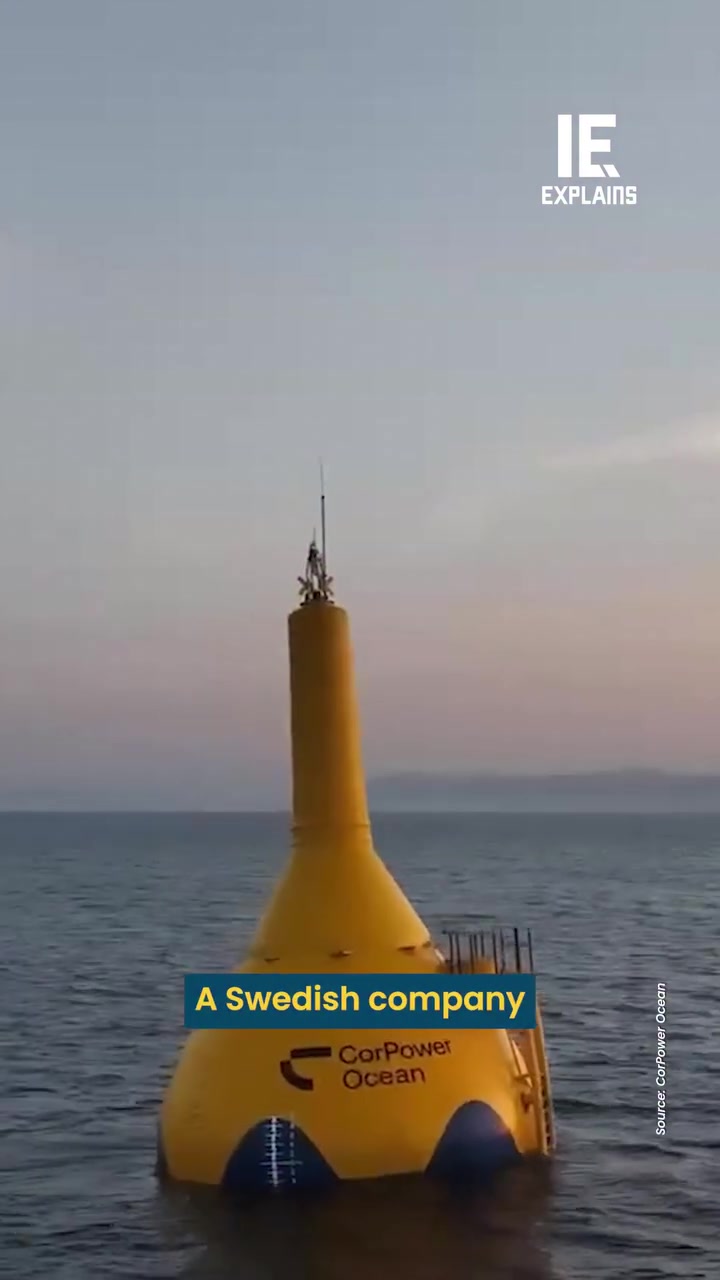
A Buoy That Captures the Power of Storms
In the rugged waters off northern Portugal, a novel device is riding the waves, converting their relentless motion into clean energy. It’s not a wind turbine or a solar panel, but a buoy. At the heart of this innovation is an electrically active device designed by a Swedish company, CorPower Ocean. The buoy is nine meters wide, weighs 60 tonnes. This advances renewable energy by utilizing a natural force of nature.
How Wave Power Converts Atlantic Storms into Electricity
CorPower Ocean has built a wave energy converter, a mechanical buoy that generates electricity from the motion of waves. Converting wave energy to electricity isn't a completely new idea, but CorPower Ocean’s system is distinctive because of its heart-inspired design. Typically, ocean waves are erratic and powerful. The buoy is kept from floating away by an anchor driven into the seabed. The buoy is similar to a mechanical heart with compressed air that powers a generator. This design is called the wave spring system, which keeps the buoy in rhythm with the waves. Instead of fighting or resisting the waves, it uses the motion inside the waves to fuel a generator. This innovation makes the most of a difficult and powerful environment. The buoy can travel up to three meters inside in a one-meter swell, enough to generate electricity. This mechanism ensures that the converter remains mostly submerged, enduring the stress and strain of the ocean.
The Storm Energy Revolution
Waves are one of the most powerful forces of nature, and harnessing their energy, especially during storms, is a step towards a more resilient and sustainable future. By 2026, CorPower Ocean’s wave energy converters are expected to be powerful enough to provide 300 kW of electricity. This is a game-changing number for renewable energy.
The Role of the Wave Spring
The creative part of the device is a system called the wave spring. It tunes the buoy so it can swing in step with the waves. The buoy can travel up to three meters inside a one-meter swell — but in a storm, the system detunes the buoy, reducing vertical motion to less than two percent. According to CorPower Ocean, “The clever part is a system called a wave spring. It tunes the buoy so that it swings in step with the waves. The full-scale C4 is nine meters wide, weighs around 60 tonnes, and comes with a 300 kilowatt power rating.” The wave spring is the key to CorPower Ocean’s success. It allows the buoy to move freely with the waves in a calm sea but lock itself in place during a storm.
The Heart of Wave Energy
The buoy’s unique design is inspired by the mechanics of the human heart. The buoy is tethered to an anchor and floats on the ocean surface. As the waves lift the machine, compressed air inside pulls it back down, much like how the heart stores pressure for its return stroke. This heart-inspired design makes the system both powerful and resilient. CorPower Ocean claims that the buoy can survive ocean storms that most other devices would struggle with. When a storm hits, the buoy is designed to detach but not break. The buoy’s motion is usually just under two percent of its vertical position during storms. This makes it safe to operate in stormy weather.
From the Atlantic to the Grid
The journey from the Atlantic to the grid involves complex engineering. As the waves push up and down on the buoy, they push air into a cylinder. The air pressure drives a piston in a gearbox, which spins a generator. The motion of the waves is converted into electricity, making the buoy an efficient generator. The CorPower Ocean takes care to ensure the buoy can move freely. The company has designed a wave spring to keep the buoy in rhythm with the waves. CorPower Ocean’s wave energy converters are built with a DNV certification. This certificate is awarded by the Det Norske Veritas, a company that ensures product safety. CorPower Ocean’s wave energy converters have a 300 kilowatt power rating and are the first wave energy machines to earn a DNV certificate.
Catching Energy in Northern Portugal
The wave energy converters are located in northern Portugal. This location is ideal for wave energy generation due to its high energy waves. During storms, the energy of the waves is extreme. CorPower Ocean developed a wave energy converter that uses a wave spring, a unique mechanism allowing the buoy to move with the waves. This ensures that the buoy can move freely, making it an efficient and reliable power generator. With the use of the wave spring, the buoy is able to generate energy during storms without breaking. This ensures the safety of the buoy and its longevity.
Questions readers ask
How does CorPower Ocean's wave energy converter generate electricity from the motion of waves?
The wave energy converter uses a unique design inspired by the human heart. The buoy is anchored to the seabed and moves with the waves. As the waves lift the buoy, compressed air inside pulls it back down, powering a generator. This wave spring system allows the buoy to move in rhythm with the waves, converting their motion into electricity.
What makes CorPower Ocean's wave energy converter different from other wave energy devices?
CorPower Ocean's design is distinct because of its wave spring system, which tunes the buoy to move in sync with the waves. This system allows the buoy to generate electricity effectively even in calm seas and ensures it remains mostly submerged during storms, reducing strain and enhancing durability.
How does the wave spring system work, and why is it important for the buoy's functionality?
The wave spring system tunes the buoy to move in harmony with the waves, allowing it to generate electricity efficiently. In a one-meter swell, the buoy can travel up to three meters inside. During storms, the system detunes the buoy, reducing its vertical motion to less than two percent, which helps the buoy endure the harsh conditions of the ocean.
Can the CorPower Ocean buoy survive extreme weather conditions, such as storms?
Yes, the buoy is designed to withstand extreme weather conditions. When a storm hits, the buoy is designed to detach but not break, which helps it survive the harsh conditions. The wave spring system reduces the buoy's vertical motion during storms, ensuring it remains mostly submerged and enduring the stress and strain of the ocean.
What is the expected electricity output of CorPower Ocean's wave energy converters by 2026?
By 2026, CorPower Ocean's wave energy converters are expected to generate up to 300 kW of electricity. This output is significant for renewable energy, making it a game-changer in the field.
How does the buoy's heart-inspired design contribute to its functionality and resilience?
The heart-inspired design allows the buoy to store and release energy efficiently, much like the human heart. The buoy is tethered to an anchor and floats on the ocean surface. As the waves lift the machine, compressed air inside pulls it back down, powering a generator. This design makes the system both powerful and resilient, enabling it to survive ocean storms and endure the stress and strain of the ocean.
How does the buoy's motion inside a one-meter swell differ from its motion during a storm?
In a one-meter swell, the buoy can travel up to three meters inside, generating electricity efficiently. During a storm, the wave spring system detunes the buoy, reducing its vertical motion to less than two percent. This adjustment helps the buoy endure the harsh conditions of the ocean and ensures it remains mostly submerged, reducing strain and enhancing durability.
Related deep dives
Similar reads based on topic and creator.

Recent articles
Fresh deep dives from the latest Reels we unpacked.
Comments
Be the first to comment.