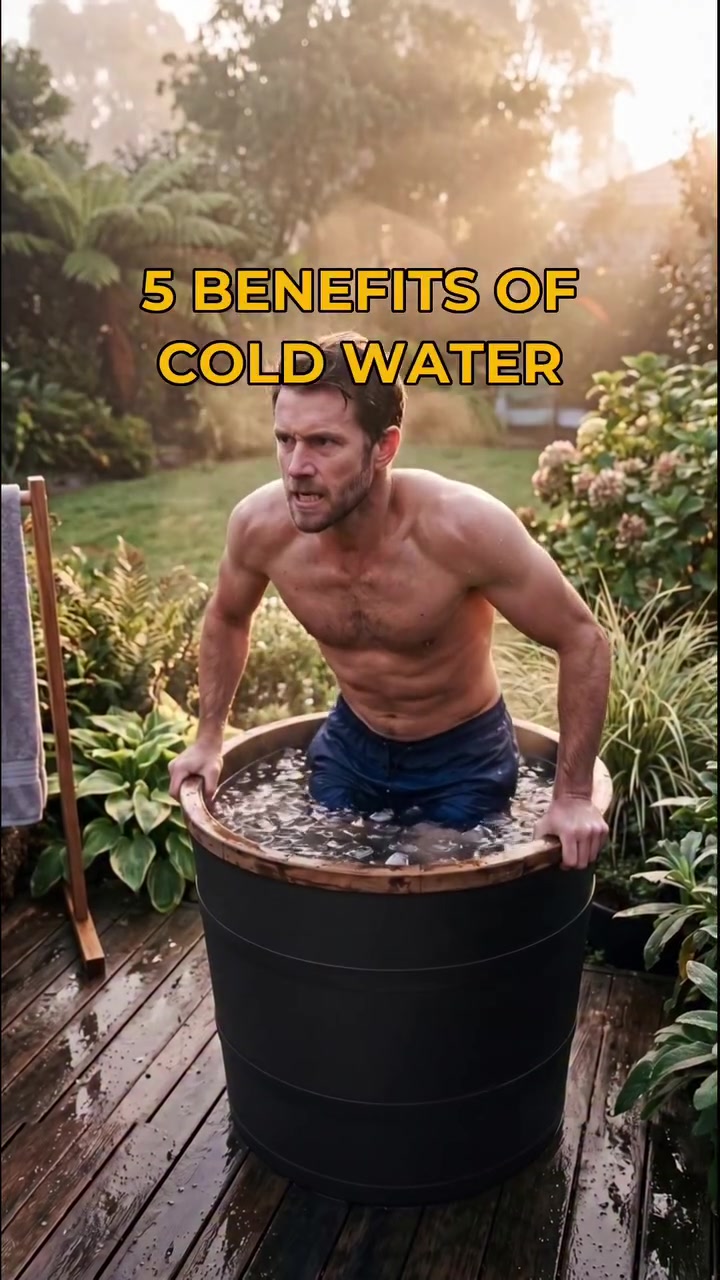
The Science Behind Cold Water Exposure
The average American's first conscious decision of the day can be their coldest — and potentially most energizing. Humans have reported a cascade of noradrenaline and dopamine within seconds of cold water immersion. A study showed a 500% spike in noradrenaline and 250% in dopamine, which have been demonstrated to stay elevated for hours. This sudden biochemistry may explain the long-standing urge to ski, swim, or surf in cold weather.
The Biochemical Rite of Passage
Cold water exposure is a deliberate challenge to the body that triggers measurable, immediate changes. Noradrenaline and dopamine are the prime drivers of this experience: they surge through the bloodstream, triggering a "fight or flight" response. It's an intense, wired-awake feeling, induced by exposure to freezing temperatures. The science behind it is simple. Cold water activates the body's sympathetic nervous system, which governs the body's responses to stress. Regular cold water exposure trains this system to respond faster and more efficiently. Cold water forces blood vessels to constrict, which shrinks the flow of blood, then dilates them as the body warms. This process makes the vascular system more responsive, as both noradrenaline and dopamine stay elevated for several hours. Individuals who practice cold water exposure report heightened alertness.
The Popularization of Cold Therapy
Cold water immersion is not a new practice. Cold exposure has been a part of many ancient cultures, including the Romans, Greeks, and Scandinavians. What is new is the detailed understanding of its effects. Early observations of indigenous people, along with a growing body of modern research, have brought this practice back into the popular wellness landscape. In recent years, cold plunging has become increasingly popular among athletes, biohackers, and even health enthusiasts. Social media bios now boast of "ice baths" and "cold showers," with people sharing their own experiences and advice. The practice resonates with a culture that values the resilience and fortitude of the human body. However, it is critical to note that cold water immersion is not for everyone.
The Threat to Your Heart
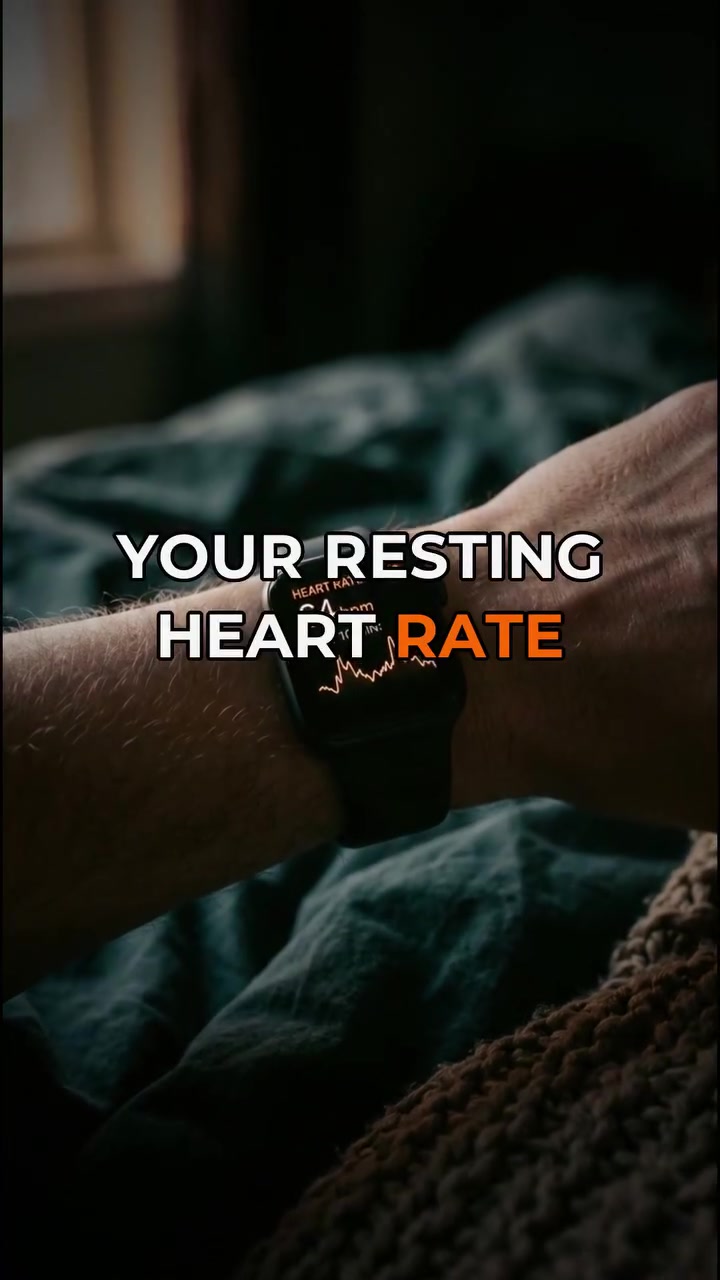
Cold water immersion can pose risks, including hypoxia, shock, and cardiac arrest. The initial shock of cold water can cause involuntary gasping, which may lead to inhalation of water. Moreover, the body's response to cold can cause the heart to work harder, leading to cardiovascular strain. The risk is particularly high for individuals with preexisting heart conditions. New practitioners should exercise caution and consult a healthcare provider before attempting cold water immersion.
The Parameters of Cold
There are no standardized guidelines for cold water immersion. Duration and temperature are variable, although most practitioners aim for temperatures ranging from 50 to 60°F (10 to 15.5°C). Some experts recommend starting with shorter durations and gradually increasing exposure as the body adapts. The most important consideration is the individual's comfort and safety. Practitioners should be mindful of their personal limits and adjust their practice accordingly.
The Decline of Stress — and the Sleep Cycle
Regular exposure to cold water is associated with lower stress levels. A 2025 review found that participants who engaged in cold water immersion experienced measurably lower stress levels 12 hours after a plunge. Participants reported feeling more relaxed and less anxious. However, certain times of the day may work better. Practicing a 30-second morning cold shower led to a nearly 33% reduction in sick days. This echoed past findings indicating that cold water immersion before bed can disrupt sleep.
The Metabolic and Circulatory Effects
Cold water immersion activates brown fat, a type of tissue that burns energy to generate heat. Winter swimmers have shown enhanced cold-driven thermogenesis, although the effect is modest. Cold water immersion has also been shown to improve circulation by training the vascular system to respond more efficiently. Some studies suggest that cold water immersion may boost metabolism and improve circulation. However, more research is needed to fully understand these effects and their long-term implications. A few serious practitioners, such as Wim Hof, have gained notoriety for their extreme cold immersion routines. While controversial, his methods underscore the potential for cold exposure to unlock hidden capacities within the body.
Rituals for the Intrepid
Practitioners of cold water immersion stress the importance of gradual exposure and safety. If you’re considering it, start with brief, manageable cold showers. For a more immersive experience:
- Find a Mentor: Some cold water immersion enthusiasts also teach their methods and routines. Start with small exposure and increase your time in the water gradually. Checking out a local subgroup may provide both moral and practical support.
- Inhale on Purpose: Consciously breathe in deeply to prevent gasping, which could draw in water and trigger a panic response.
- Be Warm First: Enter the water after a warm-up or exercise, and your body may adapt to the cold shock more easily. A warm room or even a jacket can help too.
- Warm Up Later: After emerging from the cold water, it's crucial to warm up gradually. Practitioners suggest dressing warmly, gently moving, and slowly hydrating.
Cold water's reward
Cold water immersion is a vast landscape of possibilities. The term is extensive, so it’s best to start cautiously. It is critical to consult a healthcare provider before attempting cold water immersion, especially for those with preexisting health conditions or concerns. Gradual adaptation and proper preparation are key to a safe and rewarding experience.
Questions readers ask
What exactly are noradrenaline and dopamine, and how do they affect the body during cold water exposure?
Noradrenaline and dopamine are neurotransmitters that play a crucial role in the body's response to stress and reward systems. During cold water exposure, noradrenaline triggers the 'fight or flight' response, increasing alertness and energy. Dopamine, on the other hand, is associated with feelings of pleasure and reward, which can make the experience enjoyable despite the discomfort. The sudden surge of these chemicals is what gives you that wired-awake feeling.
How does cold water exposure train the body's sympathetic nervous system?
Cold water exposure activates the sympathetic nervous system, which controls the body's 'fight or flight' response. Regular exposure to cold water teaches this system to react more efficiently and quickly. This is because the body learns to constrict and dilate blood vessels more effectively, improving overall cardiovascular health and responsiveness over time.
How does the body respond to cold water initially, and what happens over time with regular exposure?
Initially, the body responds to cold water with a shock, causing blood vessels to constrict and the heart to work harder. But with regular exposure, the body adapts. Practitioners report feeling more alert and energized, and the body becomes more efficient at responding to the stress of cold water, making the experience less jarring over time.
Are there any long-term benefits to regular cold water exposure?
While the article doesn't delve into long-term benefits, the immediate effects of cold water exposure—such as increased alertness and improved cardiovascular responsiveness—suggest that regular practice could have lasting positive effects. However, more research is needed to fully understand the long-term impacts.
What precautions should I take if I want to start practicing cold water immersion?
It's crucial to start slowly and listen to your body. Begin with shorter durations and gradually increase exposure as your body adapts. Always be mindful of your personal limits and consult a healthcare provider, especially if you have any preexisting heart conditions, as cold water immersion can pose risks, including cardiovascular strain.
Can cold water immersion help with muscle recovery, and if so, how?
The article doesn't explicitly cover muscle recovery, but the improved cardiovascular responsiveness and increased blood flow could potentially aid in muscle recovery. The heightened alertness and energy from the noradrenaline and dopamine surge might also help with post-workout fatigue, but more research is needed to confirm these benefits.
What are the risks of cold water immersion, and who is most at risk?
Cold water immersion can pose risks such as hypoxia, shock, and even cardiac arrest. The initial shock of cold water can cause involuntary gasping, leading to water inhalation. Additionally, the body's response to cold can cause the heart to work harder, leading to cardiovascular strain. Individuals with preexisting heart conditions are particularly at risk and should exercise caution or consult a healthcare provider before attempting cold water immersion.
Related deep dives
Similar reads based on topic and creator.



Recent articles
Fresh deep dives from the latest Reels we unpacked.




Comments
Be the first to comment.