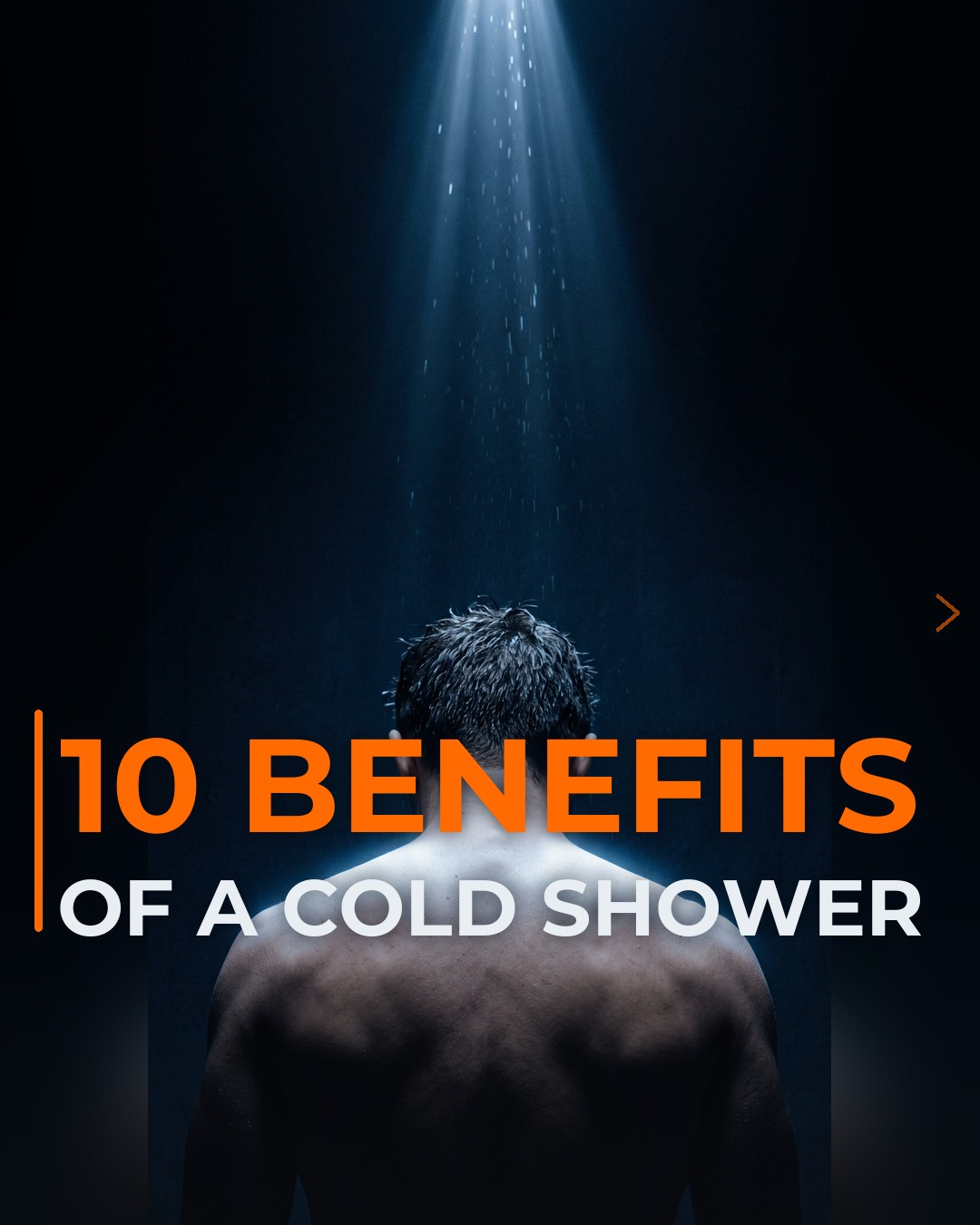
The Power of Plunging: Cold Showers Kickstart the Day
A cold shower first thing in the morning might sound like a rigid challenge, but adherents insist otherwise. The practice summons a strict sequence of reactions in the body, each with its own advantage — all within the first few minutes, according to TFC Health. Cold showers are a form of cold-water therapy that takes advantage of the body's response to sudden temperature change. The benefits are not merely anecdotal; scientific research backs many of the promised effects, some of which are surprisingly rapid.
An Alternative To Hot Showers
Cold showers offer a distinct contrast to the traditional warm shower. They prompt the body to undergo various physiological changes triggered the moment a person steps into chilling water. The effects are divided into intervals, with benefits appearing at 30 seconds, 60 seconds, and 90 seconds. This discipline is more than physical endurance. Cold showers start a cascade of biological responses, each with tangible advantages linked to cells, hormones, metabolism, and recovery.
The Rationale
The Cold Shower Craze
Cold showers may seem like another trend, however, the science behind it proves otherwise. The source of the cold shock begins in the hypothalamus, the brain’s thermostat. Researchers have found that water temperatures below 70°F activate specific responses that alter the body’s physiological processes. The cold blast also has "exposure effects that produce anti-inflammatory, antioxidant and increases in mood, focus, alertness and immune cells", TFC Health noted. The range of health benefits triggered by a cold shower aligns with the growing body of wellness practices that tap into the body's natural healing mechanisms, from breathwork to intermittent fasting.
A Biochemical Push
Dropping into cold water has an immediate impact on the body's biochemical balance. Within 30 seconds, noradrenaline levels surge, boost mood, focus, and alertness. Noradrenaline is a stress hormone that is linked to enhanced alertness and responsiveness. TFC Health explains that studies suggest this spike can reach 300% above baseline levels. Within 60 seconds, a cascade of biochemical events begins. Brown fat, a specific type of body fat linked to increased metabolism, activates. Research suggests that 100 grams of brown fat can burn approximately 3,400 calories a day, because it generates heat by burning calories. According to TFC Health, insulin sensitivity also begins to improve while inflammation starts dropping and antioxidant levels climb. The drop in inflammation is significant, as inflammation is associated with a wide range of health issues, and antioxidants protect the body from damage by harmful molecules called free radicals.
Cellular Renewal
By the 90-second mark, the effects of the cold shower ripple deeper, down to the cellular level. Autophagy, a process where cells recycle waste and damaged components, begins. This detoxifying process is one of the most studied longevity mechanisms in science. Neuroprotective proteins also release, protecting the brain from damage. Additionally, cortisol levels fall, and recovery speeds up. Cortisol is a stress hormone, and its reduction can aid in stress relief and faster recovery.
The ‘Coldest of Showers’ Has A Good Purpose
These reactions are a few of the reasons why TFC Health described the practice as "biochemistry — and the second the water hits, ten changes fire off in a strict order." It is important to note that a cold shower won't turn anyone into a morning person instantly. The benefits come from consistency over time. TFC Health recommends starting with a cold end to your normal shower routine. Ease into the two-minute mark by increasing the duration by 15 seconds each week. This gradual approach allows the body to acclimate and makes the transition less jarring.
The Quick and Cold Plan
- Ease-in approach: End your normal shower with 30 seconds of cold. Gradually increase this duration by 15 seconds each week until you reach two minutes. This method weans the body into the new routine.
- Breathing technique: Breathe slow and deep. Avoid gasping for air, as this can negate the benefits and make the experience more uncomfortable.
- Mindset: Remember, the hardest part is the first ten seconds. Mental fortitude is key. Once you've acclimated, your biology takes over and the benefits begin.
Time Your Cold Water Exposure
The cold water exposure isn't just a random splash of cold water. Timing matters. The 30-seconds, 60-seconds, and 90-seconds milestones mark a series of bodily reactions. To maximize the benefits, consistency in timing and commitment to the routine is crucial. Mornings are the prime time because it sets the tone for the rest of the day. According to TFC Health, when the body encounters cold water, the immediate and sustained responses should not be minimized. The routine can be incorporated into existing daily rituals, such as shaving, brushing teeth, or stretching. This makes it easier to hold on to the habit rather than viewing it as an additional task.
Questions readers ask
What exactly is a cold shower and how does it work?
A cold shower is a form of cold-water therapy where you expose yourself to water temperatures below 70°F. The body responds to this sudden temperature change by initiating a series of physiological reactions. These include the release of noradrenaline, activation of brown fat, and improvements in insulin sensitivity, all of which contribute to various health benefits.
How does a cold shower affect the body in the first 90 seconds?
Within the first 90 seconds of a cold shower, the body undergoes significant changes. At 30 seconds, noradrenaline levels surge, boosting mood, focus, and alertness. By 60 seconds, brown fat activates, metabolism increases, and insulin sensitivity improves. At 90 seconds, autophagy begins, cells recycle waste, and neuroprotective proteins are released, enhancing recovery and brain protection.
Can cold showers really help with inflammation and antioxidants levels?
Yes, cold showers can help reduce inflammation and boost antioxidant levels. Within 60 seconds of exposure to cold water, the body starts to experience a drop in inflammation, which is linked to various health issues. Simultaneously, antioxidant levels rise, protecting the body from damage by harmful molecules called free radicals.
How does a cold shower compare to a hot shower in terms of benefits?
Cold showers offer distinct benefits compared to hot showers. While hot showers can be relaxing and soothing, cold showers trigger a cascade of biological responses that enhance mood, focus, and metabolism. They also promote cellular renewal and reduce inflammation, making them a more invigorating and health-boosting alternative.
Are there any potential downsides or risks associated with taking cold showers?
While cold showers offer numerous benefits, they may not be suitable for everyone. People with certain health conditions, such as heart disease or Raynaud's syndrome, should consult a healthcare provider before incorporating cold showers into their routine. Additionally, sudden exposure to cold water can be shocking to the system, so it's important to ease into the practice gradually.
What is the science behind the benefits of cold showers?
The science behind cold showers involves the body's response to sudden temperature changes. When exposed to cold water, the hypothalamus, the brain's thermostat, triggers various physiological changes. These include the release of noradrenaline, activation of brown fat, and improvements in insulin sensitivity, all of which contribute to the health benefits associated with cold showers.
How can I start incorporating cold showers into my daily routine?
To start incorporating cold showers into your daily routine, begin by gradually reducing the water temperature in your showers. Start with lukewarm water and slowly decrease the temperature over time. You can also try ending your hot shower with a brief cold rinse and gradually increase the duration of the cold exposure as you become more accustomed to it. Listen to your body and consult a healthcare provider if you have any concerns.
Related deep dives
Similar reads based on topic and creator.



Recent articles
Fresh deep dives from the latest Reels we unpacked.



Comments
Be the first to comment.