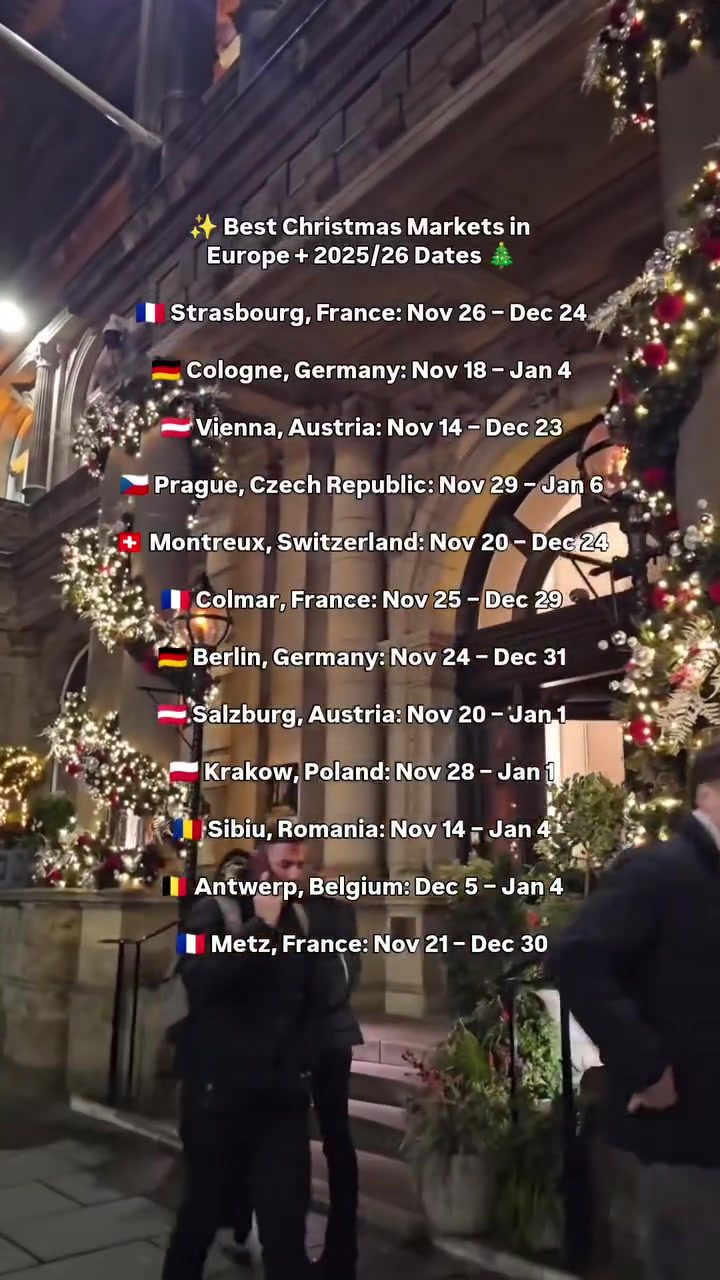
Christmas Markets in Europe: A Timeless Tradition
Every year, as the chill of winter sets in, cities across Europe transform into festive wonderlands, each with a unique Christmas market. These seasonal markets are more than just shopping events; they are an experience steeped in tradition, offering a blend of local culture, delicious food, and heartfelt cheer.
Why This Matters
Christmas markets in Europe hold a special place in the hearts of both locals and tourists. They generate a sense of community and camaraderie, providing a much-needed break from the everyday hustle. Visiting these markets is an opportunity to immerse oneself in local traditions, taste seasonal delicacies, and unwind in a festive atmosphere. Many of these markets are long-standing traditions, some dating back centuries, which makes them a cherished part of European heritage.
The Magic of European Christmas Markets
Strasbourg, France: The Capital of Christmas
Strasbourg, France, is often called the "Capital of Christmas." The Strasbourg Christmas market, one of the oldest and largest in Europe, runs from November 26 to December 24. This market is renowned for its fairy tale ambiance, featuring over 300 chalets selling everything from handmade ornaments to local Alsatian specialties. The market is set against the backdrop of the stunning Strasbourg Cathedral, adding to its enchanting atmosphere.
Cologne, Germany: Tradition and Delights
Cologne, Germany, hosts its Christmas market from November 18 to January 4. The Cologne Christmas market is famous for its traditional German fare and crafts. The market is divided into several sections, each with its own unique charm. The main market at the Cologne Cathedral offers a wide array of Christmas decorations, while the Angels' Market features angel-themed ornaments and gifts. The market is famous for its Glühwein, a warm, spiced wine that is a must-try for anyone visiting.
Vienna, Austria: A Symphony of Lights
Vienna's Christmas market, open from November 14 to December 23, is a magical destination. The market, held in front of the City Hall, features over 150 stalls with handmade crafts, festive decorations, and delicious Austrian delicacies. The iconic Ferris wheel in the Prater amusement park adds to the festive spirit, offering breathtaking views of the city. The Vienna Christmas market is not just a shopping experience but a celebration of the city's rich cultural heritage.
Prague, Czech Republic: Enchanting and Timeless
Prague's Christmas market, held from November 29 to January 6, is one of the most enchanting in Europe. Set in the historic Old Town Square, the market features traditional Czech crafts, decorations, and local delicacies. The market is known for its hand-painted ornaments, marionettes, and Christmas cards. The aroma of freshly baked trdelník, a sweet pastry rolled in sugar and cinnamon, fills the air, making the experience even more delightful.
Beyond the Classics
While Strasbourg, Cologne, Vienna, and Prague are iconic, there are many other European cities that offer unique and equally enchanting Christmas markets.
Montreux, Switzerland: Charming Lakeside Market
Montreux's Christmas market, open from November 20 to December 24, offers a charming lakeside experience. The market is held in the picturesque Lake Geneva region, providing stunning views and a serene atmosphere. The market features local crafts, Christmas decorations, and delicious Swiss specialties like fondue and chocolate.
Colmar, France: A Fairy Tale Come to Life
Colmar, France, transforms into a fairy tale during its Christmas market, held from November 25 to December 29. The market is spread across five different locations, each with its own unique theme. The Market of the Angel is particularly enchanting, with a large Christmas tree at its center. The market is famous for its Alsatian mulled wine and baked goods.
Berlin, Germany: Vibrant and Festive
Berlin's Christmas market, open from November 24 to December 31, is vibrant and lively. Held at several locations, including the famous Gendarmenmarkt, the market features a variety of stalls selling crafts, decorations, and food. The market is known for its Gingerbread House, a traditional German gingerbread treat, and the unique Berliners, a type of filled doughnut.
Practical Tips for Visiting European Christmas Markets
Plan Ahead
European Christmas markets attract a large number of visitors. Planning your visit in advance can help you avoid the crowds and make the most of your time. Check the market hours, transportation options, and any special events planned during your visit.
Dress Warmly
Christmas markets are outdoor events, and the weather can be quite chilly. Dressing in layers and bringing warm clothing will ensure you can fully enjoy the experience without being uncomfortable.
Try Local Specialties
Each market offers a unique range of local delicacies. From German sausages and Glühwein in Cologne to trdelník in Prague and gingerbread in Berlin, these treats are an essential part of the experience. Don't miss out on trying the local specialties.
Explore Beyond the Market
While the Christmas markets are the main attraction, many cities offer other festive activities. Consider attending a Christmas concert, visiting a local museum, or taking a stroll through the beautifully lit streets.
Important Takeaways
Visiting European Christmas markets is a unique and memorable experience. Each market offers a blend of local traditions, delicious food, and festive cheer. Whether you're in the historic streets of Prague, the charming lakeside of Montreux, or the vibrant markets of Berlin, each destination offers a unique and enchanting experience. Plan your visit, dress warmly, and immerse yourself in the magic of the season.
Conclusion
Christmas markets in Europe are more than just seasonal events; they are a celebration of tradition, culture, and community. From the enchanting streets of Strasbourg to the vibrant markets of Berlin, each destination offers a unique and memorable experience. Whether you're a local or a visitor, these markets provide an opportunity to immerse yourself in the festive spirit and create lasting memories.
Questions readers ask
When and where are the best Christmas markets in Europe in 2025?
The best Christmas markets in Europe in 2025 are spread across multiple countries and dates. For example, the Strasbourg Christmas Market in France runs from late November to early January, while the Cologne Christmas Market in Germany typically opens in mid-November and closes just before Christmas. Austria's Christmas markets, such as those in Vienna, also begin in late November, offering a variety of dates to choose from for holiday visitors.
Which European Christmas markets are most popular for local culture and traditions?
Strasbourg's Christmas Market is renowned for its fairy tale atmosphere and rich local culture. The market, which is one of the oldest and largest in Europe, showcases Alsatian traditions, local crafts, and unique decorations. Additionally, Cologne's Christmas Market, also known as Weihnachtsmarkt am Rathaus, features traditional German fare, music, and crafts, providing an authentic cultural experience. Austria's Christmas markets in Vienna and Salzburg also offer a deep dive into local traditions, with stunning architecture and heartwarming customs.
What are the top destinations for Christmas markets in Europe in 2025?
Top destinations for Christmas markets in Europe in 2025 include Strasbourg, France, known for its enchanting ambiance and the largest Christmas tree in Europe. In Germany, Cologne, Munich, and Nuremberg are celebrated for their traditional markets and delicious seasonal foods. Vienna and Salzburg in Austria are also must-visits for their historic charm and festive atmosphere, while Prague in the Czech Republic offers a unique blend of European traditions.
What can visitors expect to find at the Christmas markets in Europe in 2025?
Visitors can expect to find a variety of stalls offering local crafts, decorations, and seasonal food and drinks. Each market has its unique offerings, such as Strasbourg's famous bredele cookies and mulled wine, Cologne's traditional German fare, and Vienna's mouthwatering pastries and hot drinks. The markets also feature live music, entertainment, and an overall festive atmosphere.
What are the dates for the Christmas markets in Europe in 2025?
Dating for Christmas markets in Europe start in late November and run through early January. For example, Strasbourg's market begins on the last Friday of November and continues to January 2nd. Cologne's market usually starts in mid-November and ends on December 24th. Austria’s markets in Vienna and Salzburg also open in late November and last until early January, providing ample time for visitors to plan their trips.
Which European Christmas markets are best for seasonal delicacies?
Cologne's Christmas Market is famous for traditional German foods like bratwurst, Lebkuchen (gingerbread), and Glühwein (mulled wine). Strasbourg's market offers a variety of local Alsatian specialties, such as bredele (traditional cookies) and choucroute garnie (sauerkraut with various meats). Vienna's markets are celebrated for their pastries, including the famous Viennese apple strudel and a wide selection of hot drinks, such as hot chocolate and punch.
Related deep dives
Similar reads based on topic and creator.




Recent articles
Fresh deep dives from the latest Reels we unpacked.




Comments
Be the first to comment.