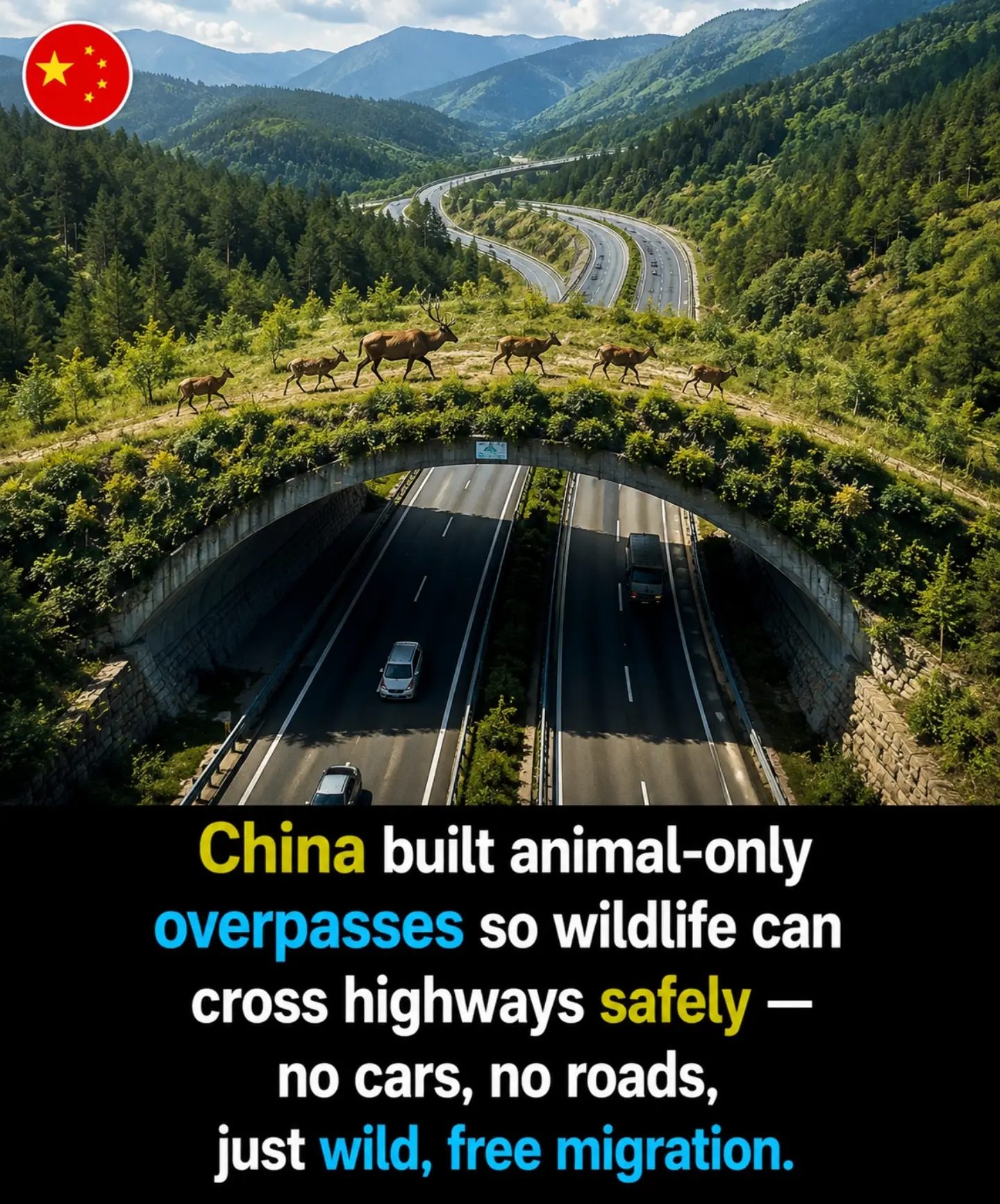
Wildlife Overpasses in China: A Revolutionary Approach to Conservation
China has pioneered a groundbreaking initiative: constructing animal-only overpasses over its highways. These overpasses serve as vital corridors for wildlife, enabling them to cross busy roads safely and without encountering vehicles. This innovative infrastructure project underscores China's commitment to preserving biodiversity and ensuring the free migration of wild animals.
Why This Matters
Rapid urbanization and infrastructure development often fragment wildlife habitats, leading to increased human-wildlife conflicts and declining animal populations. Wildlife overpasses address these issues by providing safe passages for animals to traverse human-dominated landscapes. By facilitating the free movement of wildlife, these overpasses help maintain genetic diversity, support ecosystem health, and reduce wildlife-vehicle collisions.
The Design and Implementation of Wildlife Overpasses
Location and Design
Wildlife overpasses in China are strategically located in areas with high wildlife activity and significant road traffic. The design of these overpasses mimics natural habitats, often featuring vegetation and soil to blend seamlessly with the surrounding environment. This camouflage helps animals feel more comfortable using the overpasses, encouraging their use. The overpasses are typically wider and longer than standard road crossings, accommodating various species and their behaviors.
Species Benefitted
Deer are among the primary beneficiaries of these overpasses, as they are one of the most common large mammals found in China's vast ecosystems. However, the overpasses are not limited to deer; various other species, including birds, small mammals, and even large predators, can utilize these safe passages. The design consideration for multiple species ensures that the overpasses serve as effective wildlife corridors, supporting the overall biodiversity of the region.
Construction and Maintenance
Constructing wildlife overpasses involves meticulous planning and execution. Engineers collaborate with wildlife biologists to ensure that the overpasses are located in areas where they will be most beneficial. The construction process must also minimize disturbances to the local ecosystem. Ongoing maintenance is crucial to keep the overpasses safe and usable for wildlife. Regular inspections and repairs ensure that the structures remain in good condition, providing continuous support for animal migration.
The Impact of Wildlife Overpasses
Reducing Wildlife-Vehicle Collisions
One of the most significant benefits of these overpasses is the reduction in wildlife-vehicle collisions. By providing safe crossings, these structures help mitigate the risk of animals being hit by cars, which is a leading cause of wildlife mortality in many regions. This not only saves animal lives but also enhances road safety for drivers, reducing the likelihood of accidents caused by animals darting onto highways.
Supporting Ecological Connectivity
Wildlife overpasses play a critical role in maintaining ecological connectivity. They allow animals to move freely between fragmented habitats, ensuring genetic exchange and supporting the health of wildlife populations. This connectivity is essential for the long-term survival of many species, as it helps maintain genetic diversity and resilience in the face of environmental changes.
Public Awareness and Support
The presence of wildlife overpasses also raises public awareness about the importance of wildlife conservation. Seeing these structures in action can inspire people to support environmental initiatives and adopt more wildlife-friendly practices. Public engagement is crucial for the success of conservation efforts, as it fosters a sense of responsibility and stewardship towards the natural world.
Practical Tips for Supporting Wildlife Overpasses
Advocating for Wildlife-Friendly Infrastructure
One of the best ways to support wildlife overpasses is to advocate for their construction in areas with high wildlife activity. Engaging with local authorities and environmental organizations can help raise awareness and garner support for these projects. Public pressure can be a powerful tool in driving policy changes that prioritize wildlife conservation.
Participating in Conservation Efforts
Volunteering with conservation organizations or participating in local wildlife monitoring programs can also make a difference. These activities provide valuable data that can inform the design and placement of wildlife overpasses, ensuring their effectiveness.
Promoting Wildlife-Friendly Practices
Individuals can also support wildlife conservation by adopting practices that reduce their impact on wildlife habitats. This includes avoiding the use of pesticides, planting native vegetation, and creating wildlife-friendly spaces in backyards. Every small action contributes to the larger goal of preserving biodiversity and ensuring the well-being of wildlife populations.
Important Takeaways
Wildlife overpasses are a testament to human ingenuity and our commitment to preserving the natural world. By providing safe passages for wildlife, these structures help mitigate the detrimental effects of urbanization and infrastructure development on animal populations. The success of these overpasses in China demonstrates that with careful planning and execution, it is possible to create harmonious coexistence between humans and wildlife.
Conclusion
The construction of animal-only overpasses in China represents a significant step forward in wildlife conservation efforts. These overpasses not only ensure the safe movement of wildlife but also promote ecological connectivity and reduce human-wildlife conflicts. By supporting these initiatives, we can contribute to a future where humans and wildlife thrive together in a balanced and harmonious ecosystem.
Questions readers ask
What are wildlife overpasses and why are they important in China?
Wildlife overpasses are bridges designed for animals to cross highways safely, bypassing traffic. In China, they are crucial for preserving biodiversity by reducing roadkill and helping animals migrate across fragmented habitats. China has invested significantly in this infrastructure to support wildlife movement.
How do wildlife overpasses in China mimic natural habitats?
These overpasses are engineered with vegetation and features that resemble the animals' natural environments. This encourages a wide range of species to use them. By blending in with their surroundings, these bridges make animals more comfortable crossing busy roads.
What kinds of animals use wildlife overpasses in China?
A variety of species utilize these overpasses, including large mammals like tigers, bears, and deer, as well as smaller animals and even birds. The design of these bridges caters to diverse wildlife, ensuring safe passage for many different types of animals.
How do wildlife overpasses help reduce human-wildlife conflicts?
By providing safe crossing points, overpasses minimize the chances of wildlife-vehicle collisions. This reduces the risk of animals being injured or killed on roads. Furthermore, it helps prevent human injury and lowers the costs of wildlife-related accidents.
What are the benefits of wildlife overpasses for highway safety?
These overpasses mitigate roadkill and decreasing the need for emergency cleanups after animal collisions. This contributes to smoother traffic flow and enhances overall highway safety. In addition, reduces the likelihood of accidents involving both vehicles and people.
How does China's wildlife overpass initiative impact urbanization and infrastructure development?
Wildlife overpasses allow for the coexistence of urban development and wildlife conservation. By integrating these bridges into highway construction, China balances the need for infrastructure growth with the necessity of preserving natural habitats and wildlife populations.
What role do wildlife overpasses play in wildlife migration corridors?
Wildlife overpasses serve as essential links in wildlife migration corridors, connecting fragmented habitats and enabling animals to move freely between different areas. This ensures that animals can access resources and mating grounds, supporting healthy and sustainable populations.
Related deep dives
Similar reads based on topic and creator.


Recent articles
Fresh deep dives from the latest Reels we unpacked.




Comments
Be the first to comment.