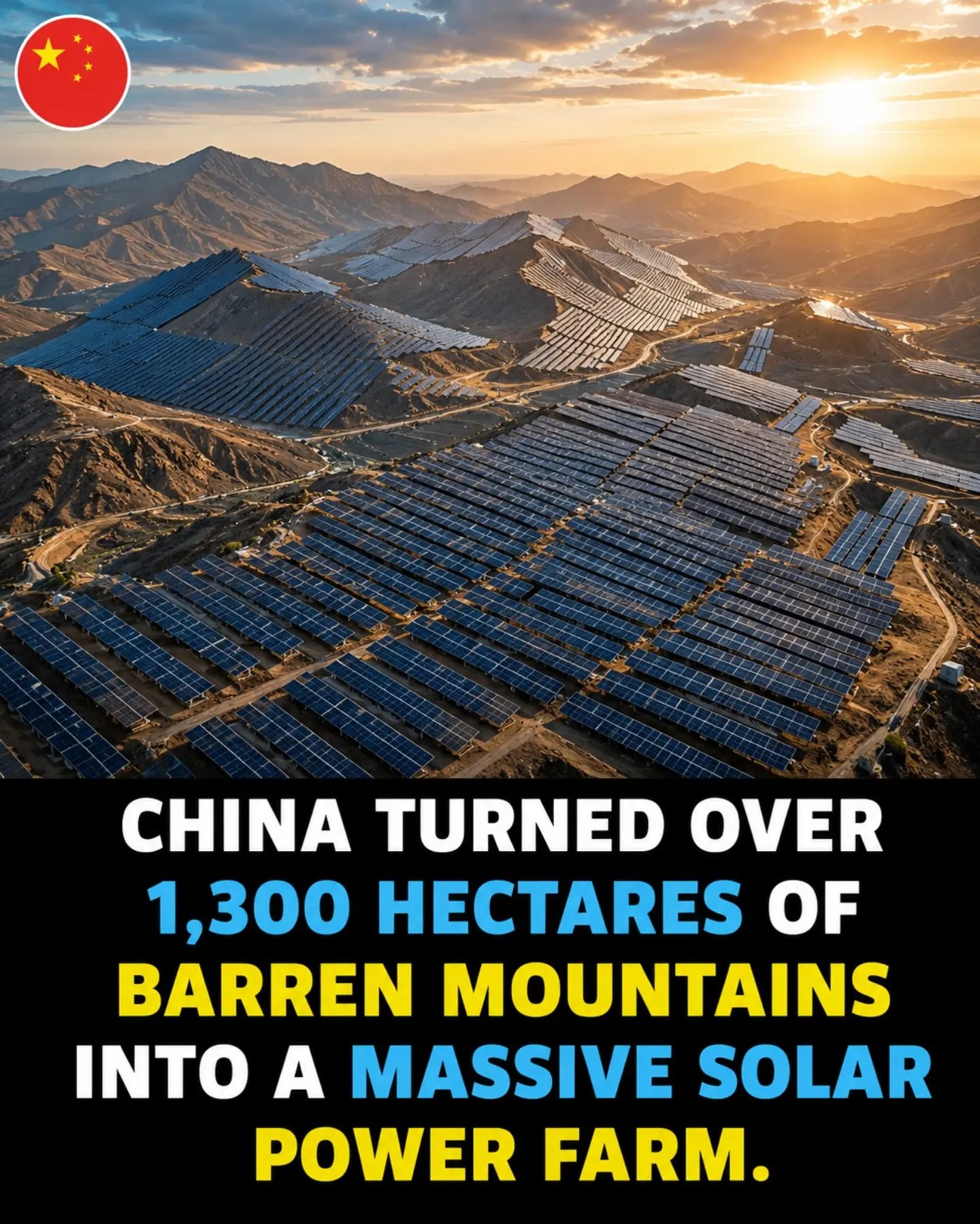
China's Massive Solar Power Farm on Formerly Barren Mountains
China has showcased an impressive feat of renewable energy initiative by transforming 1,300 hectares of barren mountains into a vast solar power farm. The project is a testament to the country's commitment to harnessing solar energy on an unprecedented scale.
Why This Matters
This initiative underscores the potential for utilizing previously unusable land for solar power generation. By converting barren mountains into a massive solar farm, China has demonstrated a innovative approach to land use that could inspire similar projects worldwide. This transformation not only addresses energy needs but also highlights the environmental and economic benefits of renewable energy.
The Project: Scope and Impact
The Scale of the Transformation
The sheer scale of the project is remarkable. Covering 1,300 hectares, the solar farm is a vast expanse of solar panels that stretch across what was once barren and unused land. This transformation showcases the effective use of land that would otherwise be considered non-productive, turning it into a significant renewable energy resource. The aerial view of the solar panels highlights the extensive reach of this initiative, making it a standout example of large-scale renewable energy projects.
Technological and Environmental Benefits
The conversion of barren mountains into a solar farm brings several technological and environmental benefits. Solar panels are efficient in generating electricity from sunlight, making them a sustainable energy source. By utilizing previously unusable land, the project minimizes the need for deforestation or agricultural land conversion, which are common concerns in large-scale energy production. This approach ensures that productive agricultural land is preserved while still meeting the energy demands.
Economic and Social Impacts
The economic and social impacts of this project are also noteworthy. The construction and maintenance of such a large solar farm create job opportunities, boosting the local economy. Additionally, the reliance on renewable energy reduces dependency on fossil fuels, leading to cost savings in the long run. The clean energy generated contributes to a healthier environment, reducing air pollution and greenhouse gas emissions.
Practical Tips for Implementing Large-Scale Solar Projects
When considering a large-scale solar project, several practical tips can help ensure success:
- Land Selection: Choose land that is not suitable for agriculture or other productive uses. This minimizes the impact on productive land and ensures that the solar farm does not compete with food production.
- Technological Integration: Utilize the latest solar panel technology to maximize efficiency. Regular maintenance and monitoring are essential to keep the panels operating at peak performance.
- Local Community Involvement: Engage with the local community to ensure their support and involvement. This can lead to better understanding and acceptance of the project, as well as potential job opportunities.
- Environmental Considerations: Conduct thorough environmental impact assessments to ensure that the project does not harm local ecosystems. This includes preserving water bodies, maintaining biodiversity, and minimizing noise pollution.
Important Takeaways
The transformation of 1,300 hectares of barren mountains into a massive solar power farm in China is a significant achievement in renewable energy. This project highlights the potential for utilizing previously unusable land for solar power generation, offering a sustainable solution to energy needs while preserving productive agricultural land. The economic, social, and environmental benefits of such initiatives underscore the importance of renewable energy projects in meeting global energy demands.
Conclusion
China's solar farm initiative serves as a model for large-scale renewable energy projects. By transforming barren mountains into a vast solar power farm, the country has demonstrated an innovative approach to land use and energy production. This project not only addresses energy needs but also contributes to a cleaner, more sustainable future. As the world continues to seek solutions for renewable energy, initiatives like this one provide valuable insights and inspiration for similar projects.
Questions readers ask
What is the size of the solar power farm built on barren mountains in China?
The solar power farm covers 1,300 hectares, making it one of the largest of its kind in the world. This expansive project showcases China's commitment to large-scale renewable energy initiatives.
How does this solar project benefit the environment?
By generating clean, sustainable electricity, the solar farm reduces reliance on fossil fuels, thereby decreasing greenhouse gas emissions. Additionally, transforming barren mountains into a solar power hub helps reclaim and revitalize previously unusable land.
What are the economic benefits of China's solar farm on barren mountains?
The project creates jobs and stimulates economic growth in the region. Moreover, it contributes to energy independence and reduces long-term energy costs, making it a financially sound investment for China.
What makes the solar farm on mountains in China an innovative approach to land use?
The project demonstrates a creative way to utilize land that was previously considered barren and unusable. By installing solar panels on mountainsides, China has maximized its land use efficiency and set an example for similar initiatives globally.
What is the potential global impact of China's solar power transformation?
This initiative serves as a model for other countries looking to harness renewable energy on a large scale. It highlights the feasibility of converting underutilized land into productive solar farms, inspiring similar projects worldwide.
What types of land can be used for solar power generation, as shown by China's project?
China's project demonstrates that barren, mountainous terrain can be effectively used for solar power generation. This opens up possibilities for installing solar panels on various types of land that were previously considered unsuitable for other uses.
How does the Chinese solar farm contribute to sustainable energy goals?
The vast solar farm in China significantly boosts the country's renewable energy capacity, helping to meet its sustainable energy targets. By generating clean power from barren mountains, it supports long-term energy sustainability and reduces carbon footprint.
Recent articles
Fresh deep dives from the latest Reels we unpacked.




Comments
Be the first to comment.