Highway Construction: Elevated Roads Preserving Farmland in China
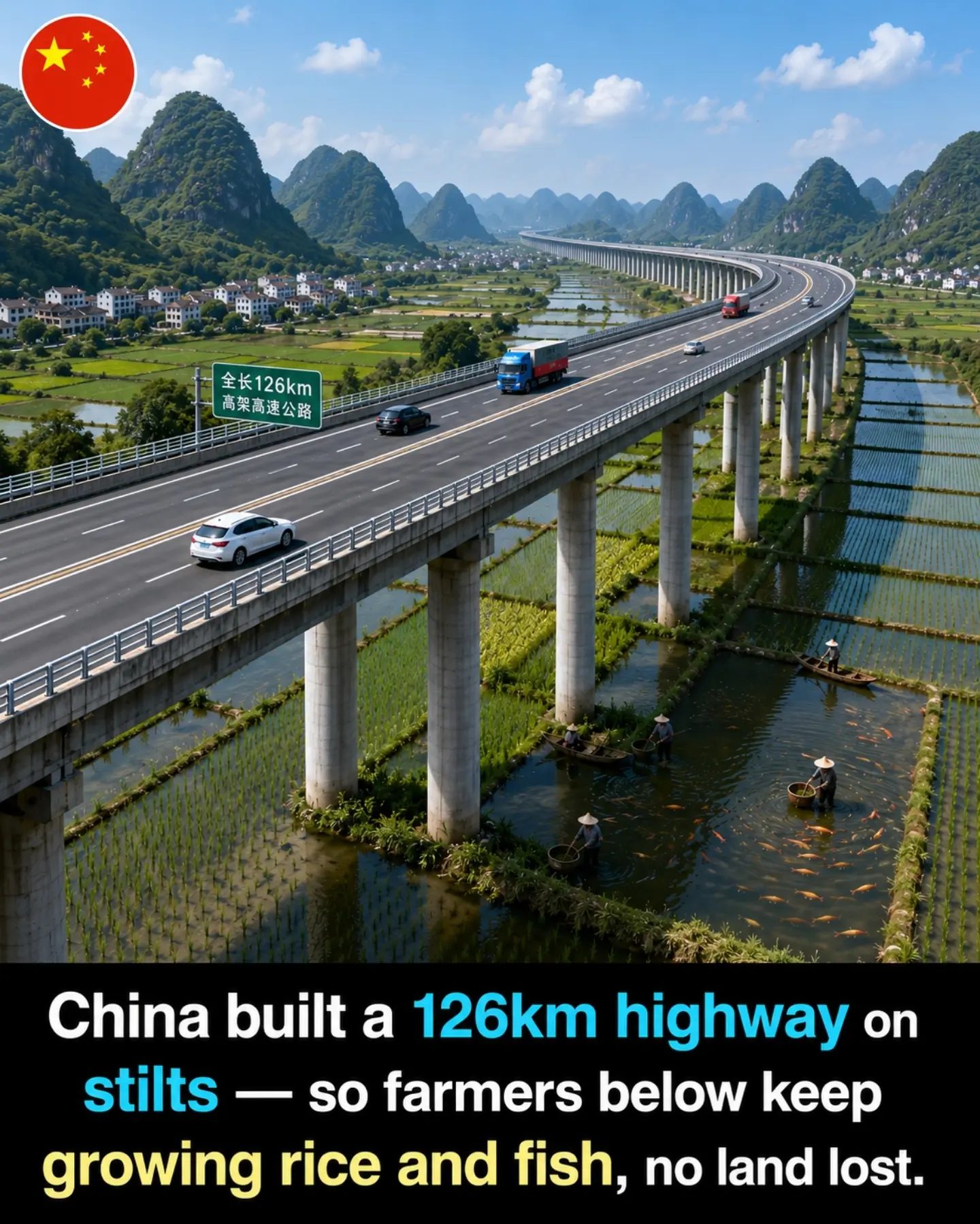
Highway construction often raises concerns about land displacement and environmental impact. However, a unique approach in China has managed to minimize these issues by building a 126km highway on stilts. This innovative design allows farmland and water bodies to remain underneath, preserving the land for local farmers. This approach not only minimizes land loss but also promotes sustainable development.
Why This Matters
Elevated highways are not a new concept, but their implementation to preserve farmland and water bodies is groundbreaking. As urbanization and infrastructure development continue to expand, finding ways to minimize environmental impact and preserve local livelihoods is crucial. This approach offers a sustainable solution that could be replicated in other areas facing similar challenges.
Main Discussion
The Concept of Elevated Highways
The concept of elevated highways involves building roads on stilts or pillars, allowing the land underneath to remain undisturbed. This design is particularly beneficial in areas where farmland is abundant and valuable. By building the highway above the ground, the land can still be used for agricultural purposes, ensuring that the local economy and food production remain unaffected.
Benefits for Farmers
One of the most significant benefits of this approach is the preservation of farmland. Farmers in the area can continue their agricultural activities without interruption. This is particularly important in regions where rice and fish farming are the primary sources of income. By allowing farmers to continue their work, the elevated highway ensures that local livelihoods are not disrupted.
Sustainable Development
Sustainable development is a key factor in modern infrastructure projects. The elevated highway in China demonstrates a commitment to sustainable practices by minimizing land loss and preserving natural resources. This approach not only benefits the local community but also sets a precedent for future infrastructure projects that aim to balance development with environmental preservation.
Technical Aspects of Highway Construction
Building a highway on stilts requires careful planning and technical expertise. The stilts must be sturdy enough to support the weight of the highway and withstand environmental factors such as weather and soil conditions. Additionally, the design must ensure that the highway is safe for drivers and pedestrians. The construction process involves the use of advanced engineering techniques and materials to achieve these goals.
Environmental Impact
The environmental impact of elevated highways is significantly lower compared to traditional highway construction. By preserving the land underneath, the highway minimizes the disruption of natural habitats and ecosystems. This approach also reduces the need for large-scale land acquisition and relocation of local populations, further minimizing environmental and social impact.
Practical Tips
Building elevated highways requires a combination of engineering expertise, environmental awareness, and community involvement. Here are some practical tips for planning and constructing elevated highways:
Conduct Thorough Environmental Assessments
Before beginning construction, it is essential to conduct thorough environmental assessments to understand the impact of the project on the local ecosystem. This includes identifying sensitive areas and developing strategies to minimize disruption.
Engage with Local Communities
Engaging with local communities is crucial for the success of any infrastructure project. This involves understanding their needs, addressing their concerns, and ensuring that the project benefits them. Involving local communities in the decision-making process can help build support and ensure the project's sustainability.
Use Advanced Engineering Techniques
Advanced engineering techniques and materials are essential for constructing sturdy and safe elevated highways. This includes the use of high-quality materials, innovative design techniques, and state-of-the-art construction methods.
Monitor and Maintain the Highway
Regular monitoring and maintenance are essential for the longevity and safety of elevated highways. This involves inspecting the stilts, repairing any damage, and ensuring that the highway remains safe for drivers and pedestrians.
Important Takeaways
Elevated highways offer a sustainable solution to the challenges of infrastructure development. By preserving farmland and water bodies, this approach minimizes land loss and environmental impact. Additionally, it ensures that local livelihoods are not disrupted, promoting sustainable development. The success of this project in China demonstrates the potential of elevated highways as a viable solution for other regions facing similar challenges.
Conclusion
The construction of a 126km highway on stilts in China is a groundbreaking example of sustainable infrastructure development. By preserving farmland and water bodies, this approach minimizes environmental impact and ensures that local livelihoods are not disrupted. As urbanization and infrastructure development continue to expand, finding ways to balance development with environmental preservation is crucial. The elevated highway in China offers a promising solution that could be replicated in other regions, setting a precedent for sustainable infrastructure projects.
Related deep dives
Similar reads based on topic and creator.



Recent articles
Fresh deep dives from the latest Reels we unpacked.




Comments
Be the first to comment.