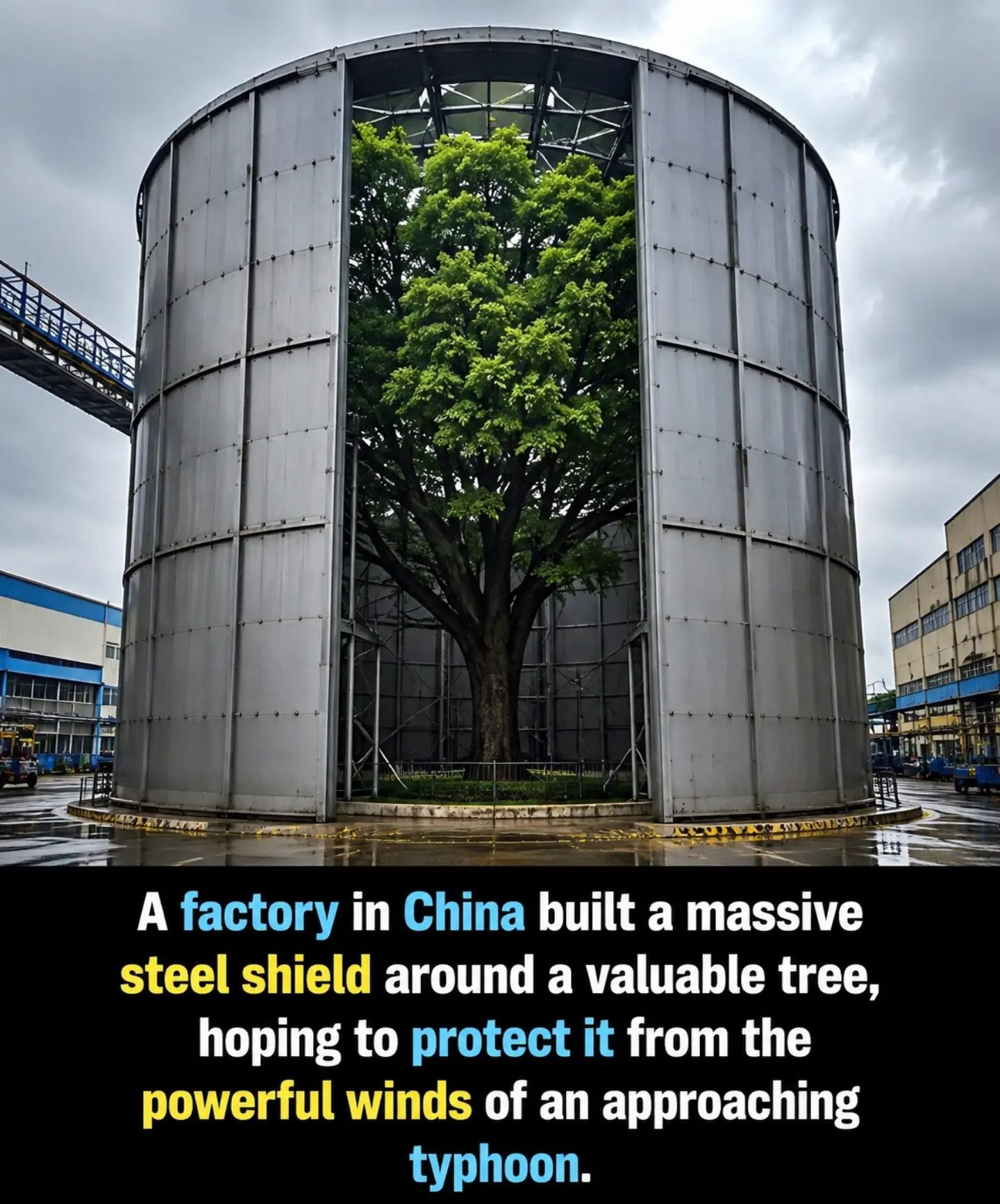
Tree Protection in Industrial Areas
Tree preservation in industrial settings is a critical practice that balances economic development with environmental stewardship. While industrialization is vital for economic growth, it often occurs at the expense of natural habitats, including valuable trees. Trees in industrial areas, such as factories or power plants, face significant threats from construction activities, pollution, and natural disasters. This is especially true in regions prone to typhoons, where strong winds can uproot or severely damage trees.
Why this Matters
In industrial zones, trees provide numerous benefits, including air purification, noise reduction, and aesthetic enhancement. They also stabilize the soil, preventing erosion and reducing runoff, which can otherwise carry pollutants into nearby water bodies. Moreover, trees can create a microclimate that helps cool the surrounding area, making them valuable for improving the quality of life for nearby residents. Therefore, protecting these trees is essential for maintaining the ecological balance and ensuring a healthier environment for workers and nearby communities.
Protecting Trees in Industrial Settings
Industrial areas often face unique challenges when it comes to tree protection, particularly in regions prone to typhoons. The destructive winds can severely damage or uproot trees, making it necessary to implement robust protective measures. One effective method involves constructing protective structures around the trees. These structures, often made of steel, are specifically designed to withstand strong winds and safeguard the trees during typhoons.
Designing Effective Protective Structures
Material Selection: Materials like steel are commonly used for constructing protective barriers. This is because of steel’s durability, strength, and resistance to environmental degradation. Steel structures can withstand high winds and are relatively easy to maintain, ensuring long-term protection.
Structural Design: The design of these protective barriers often involves creating a cylindrical shield that completely encases the tree. This cylindrical design helps distribute the wind pressure evenly around the tree, reducing the risk of damage. The height and width of the structure are tailored to the specific dimensions of the tree, ensuring a snug fit that minimizes movement during high winds.
Installation and Maintenance
Installing protective structures around trees in industrial areas requires careful planning and execution. The process begins with assessing the tree’s health and structural integrity. If the tree is deemed valuable and worthy of protection, a protective shield is custom-built to fit around it. This shield is designed to be sturdy enough to withstand the impact of strong winds but not so heavy that it damages the tree.
Maintenance is also crucial. Regular inspections ensure that the protective structure remains intact and functional. Any signs of wear and tear must be addressed promptly to prevent the structure from compromising the tree’s safety. This continuous care helps in extending the lifespan of both the tree and the protective barrier.
Practical Tips for Tree Protection in Industrial Zones
While constructing protective shields is one method, there are other practical strategies for protecting trees in industrial areas, especially during typhoons.
Planting Resilient Tree Species
Choosing tree species that are naturally resistant to wind and other environmental stressors can significantly reduce the risk of damage. Species like the Ginkgo Biloba, which has deep root systems and flexible branches, are well-suited for industrial areas. These trees are more likely to survive strong winds and require less protective infrastructure.
Regular Monitoring and Care
Regular monitoring of tree health is essential. This involves checking for signs of disease, pest infestation, and structural weaknesses. Early detection and treatment can prevent minor issues from escalating into major problems. Proper care, including regular pruning, watering, and fertilization, ensures that trees remain healthy and resilient.
Important Takeaways
Protecting trees in industrial areas, particularly during typhoons, requires a proactive approach. Constructing robust protective structures, choosing resilient tree species, and maintaining regular care are essential strategies. These measures not only safeguard the trees but also enhance the overall environmental quality of the industrial zone, benefiting both the ecosystem and the community.
Conclusion
Tree protection in industrial settings is a crucial aspect of sustainable development. By implementing effective protective measures and providing ongoing care, it is possible to preserve valuable trees in these areas. As illustrated by the efforts in China, constructing sturdy, custom-designed shields can significantly improve the chances of trees surviving strong winds and other environmental challenges. Through such initiatives, it is possible to maintain a harmonious balance between industrial growth and environmental protection.
Questions readers ask
How does a steel shield protect a tree from typhoons in a Chinese factory?
The steel shield acts as a physical barrier, deflecting strong winds and debris that typhoons bring. This helps to prevent the tree from being uprooted or damaged, ensuring its survival during extreme weather events. The structure is designed to withstand high winds, providing robust protection for the tree.
What are the environmental benefits of maintaining trees in industrial zones?
Trees in industrial zones contribute to better air quality by absorbing pollutants. They also help reduce noise, provide shade, and enhance the overall environment. Additionally, trees stabilize the soil, preventing erosion and reducing stormwater runoff, which can negatively impact local water bodies.
What innovative strategies can factories employ to protect trees during typhoons?
Factories can employ various strategies, such as using steel shields or other protective structures to safeguard trees. Additionally, planting typhoon-resistant tree species, implementing proper drainage systems, and reinforcing the soil around the trees can help ensure their survival during strong winds.
Why is tree preservation important in industrial areas prone to typhoons?
Tree preservation in these areas helps maintain ecological balance, which is crucial for the health of workers and nearby communities. Trees provide important benefits such as air purification, noise reduction, and soil stabilization, all of which are vital for a healthy environment, especially in the face of frequent typhoons.
What type of steel structures are used to protect trees from typhoons in China?
In China, steel shields are used to protect trees from typhoons. These structures are designed to be sturdy and wind-resistant, effectively deflecting strong winds and debris. They are typically installed around the base and sometimes the canopy of the tree to provide comprehensive protection.
How do factories balance economic development with environmental stewardship?
Factories can balance economic development and environmental stewardship by implementing sustainable practices, such as tree protection measures. By safeguarding trees and maintaining green spaces, factories can reduce their ecological footprint and enhance the quality of life for workers and nearby communities, fostering a harmonious coexistence of industry and nature.
Related deep dives
Similar reads based on topic and creator.




Recent articles
Fresh deep dives from the latest Reels we unpacked.



Comments
Be the first to comment.