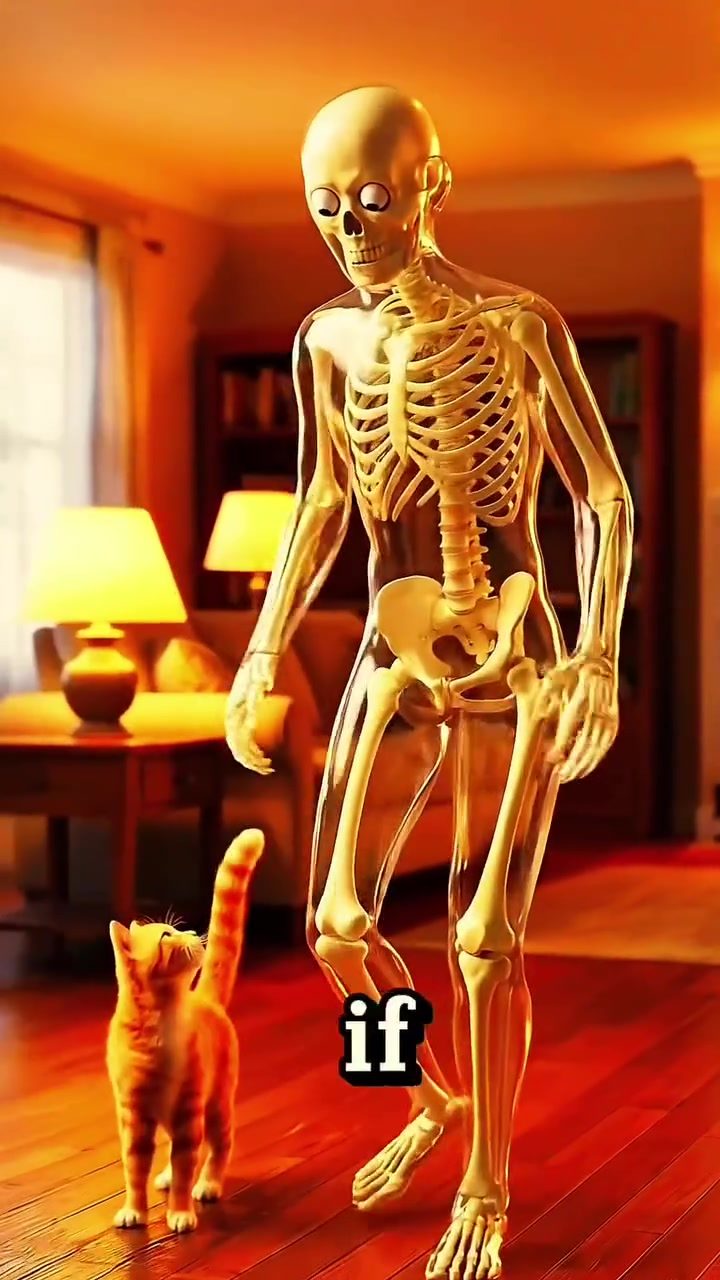
The Feline Instinct: How Cats Respond to a Deceased Companion
Cats are independent creatures, often content to spend hours alone. But what happens when a cat is left alone with a deceased companion? The scenario, while grim, offers insight into a cat's natural instincts and behaviors. This is not a situation anyone wants to imagine, but understanding how cats behave in such circumstances can be valuable for pet owners and caregivers.
Cats are not equipped to understand the concept of death. Unlike humans, they do not process grief or loss in the same way. When a cat's companion becomes immobile and no longer responds, the cat senses a change but does not comprehend its finality. This lack of understanding can lead to a series of instinctual behaviors driven by survival and curiosity.
The Initial Response
On the first day, a cat's initial response to a deceased companion is primarily one of confusion and curiosity. The cat will approach the body, sniffing and investigating the change in its environment. It may climb onto the body to find the residual heat, a familiar and comforting sensation. This behavior is not out of malice or a lack of affection but rather a result of the cat's instinctual drive to understand and interact with its surroundings. In this context, the cat does not recognize the deceased as a person, but rather as part of the environment that has become immobile.
Survival Instincts
As days pass, the cat's brain shifts from confusion to a more primal state of survival. Cats are obligate carnivores, meaning they require animal protein to thrive. When food is scarce, their instinctual drive to survive kicks in. This survival instinct is stronger than any sense of grief or affection for the deceased.
Hunger sets in, and the cat begins to respond to biological signals rather than memories or emotional attachments. In documented cases, cats have been known to feed on the remains of a deceased companion. This behavior is not driven by malice or hatred but by the cat's fundamental need for sustenance. The body undergoes natural physical changes post-mortem, emitting different tissues and new scents. The cat, driven by its survival instinct, responds to these biological signals.
The Primacy of Instinct
In such situations, a cat's instinct for survival is always stronger than any sense of affection or memory. This primal drive to survive takes precedence over all other considerations. When left alone, a cat's survival instinct kicks in, and it will seek out any means necessary to meet its basic needs. This includes feeding on the deceased companion, a behavior driven by the cat's need to avoid starvation.
The text overlays in the reel emphasize key points: "what," "hunger," "avoid," and "stake." These words highlight the cat's journey from confusion to survival mode. The scenario underscores the primacy of a cat's survival instinct, driven by its biological needs rather than emotional attachments.
Practical Tips for Cat Owners
While the scenario described is hypothetical and grim, it highlights the importance of planning for the care of pets in the event of a pet owner's incapacitation or death. Here are some practical tips to ensure the well-being of cats in such situations:
-
Establish a Care Plan: Create a detailed care plan that includes instructions for feeding, grooming, and medical care. Make sure to include contact information for veterinarians and any other relevant caregivers.
-
Identify a Trusted Caregiver: Designate a trusted friend, family member, or neighbor who can step in to care for the cat in the event of an emergency. Ensure they have access to necessary supplies and know the cat's routines.
-
Provide Emergency Supplies: Keep an emergency supply kit for the cat, including food, water, litter, and any necessary medications. Ensure the caregiver knows where to find these supplies.
-
Pet Insurance and Medical Records: Consider obtaining pet insurance to cover medical expenses. Keep all medical records and vaccination histories up to date and easily accessible.
-
Legal Preparations: In some cases, it may be helpful to include care instructions for pets in a will or trust. This ensures that the pet's well-being is legally protected in the event of the owner's death.
Important Takeaways
One of the most significant takeaways from this scenario is the importance of understanding a cat's primal instincts. When left alone, cats prioritize their survival needs, driven by biological signals and instincts. This is a natural behavior and not a reflection of the cat's feelings or memories.
It’s crucial to plan for a cat's care in the event of an owner's incapacitation or death. By establishing a care plan and identifying a trusted caregiver, pet owners can ensure their cats' well-being even in the absence of their companionship.
Conclusion
The scenario of a cat left alone with a deceased companion is a stark reminder of a cat's primal instincts and survival needs. Understanding these behaviors can help pet owners and caregivers better plan for the well-being of their feline friends. The survival instinct, driven by biological signals, takes precedence over any emotional attachments. By acknowledging these natural behaviors, we can better appreciate the unique and somewhat mysterious nature of cats.
Questions readers ask
Why do cats exhibit unusual behaviors when left with a deceased companion?
Cats rely heavily on their instincts, which are primarily geared towards survival. When a companion becomes immobile and unresponsive, cats sense a change but do not understand the finality of death. This triggers a series of instinctual behaviors driven by curiosity and a desire to comprehend the change.
Do cats mourn the loss of a companion in the same way humans do?
Cats do not process grief or loss in the same way humans do. They do not comprehend the concept of death or the finality of the loss. Instead, they react to the change in their environment and the absence of interaction with their companion.
What should I do if my cat is left alone with a deceased companion?
First, ensure your cat's safety and remove them from the situation if possible. Then, seek support from a veterinarian or a professional pet caregiver. Cats may need time to adjust to the absence of their companion, and professional guidance can help manage their behavioral changes.
How can I help my cat cope with the loss of its companion?
Provide a stable and comforting environment. Cats may seek out familiar scents and routines. Maintain a consistent feeding schedule and offer plenty of interaction. Patience is key, as cats may need time to adjust to the absence of their companion.
Why does my cat act unusually when they find a dead animal?
Cats are driven by curiosity and instinct, particularly when they encounter unfamiliar or unexpected situations. When they find a dead animal, they may investigate it to understand the change in their environment, which can lead to unusual behaviors.
What should I do if my cat finds a dead animal?
Safely remove the cat from the area to prevent them from ingesting harmful substances or becoming injured. Then, remove the dead animal as quickly as possible. Monitor your cat for any changes in behavior and consult a veterinarian if you notice any concerning signs.
Why do cats act unpredictably after the death of an owner?
Cats are independent creatures, but they rely on routines and familiar interactions with their owners. When an owner passes away, the sudden absence can disrupt these routines, causing the cat to act unpredictably. This is due to their instinctual response to change and uncertainty.
Recent articles
Fresh deep dives from the latest Reels we unpacked.



Comments
Be the first to comment.