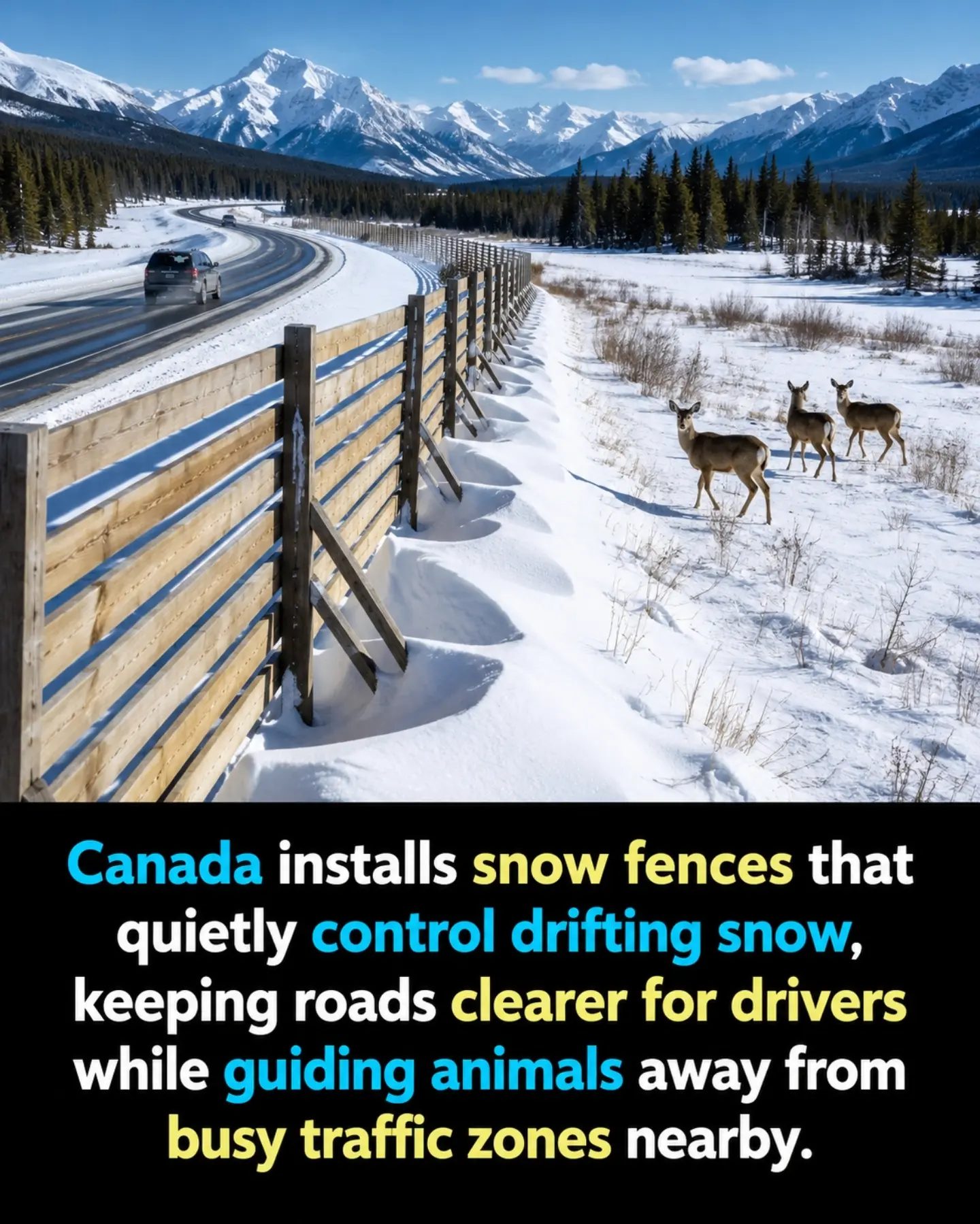
Snow Fence Installation
Snow fences play a crucial role in managing snow accumulation on roads, particularly in snowy regions like Canada. These structures are designed to control drifting snow, ensuring that roads remain clear and safe for drivers. Additionally, they serve an important role in guiding animals away from busy traffic areas, enhancing both road safety and wildlife conservation.
Context / Why this matters
In snowy regions, particularly in Canada, snow fences are integral for maintaining safe and clear roads. These fences are strategically installed to control the movement of snow, preventing it from drifting onto roadways and obstructing traffic. By doing so, they ensure that roads remain navigable, especially during harsh winter conditions.
Moreover, snow fences contribute to wildlife conservation by directing animals away from busy traffic zones. Creating a physical barrier helps wildlife to avoid hazards posed by vehicles, enhancing the safety of both animals and drivers.
Main discussion
The Purpose and Installation of Snow Fences
Snow fences are typically installed along the edges of roads in snowy regions. Their primary function is to trap blowing snow, preventing it from drifting onto roadways. As the wind carries snow particles, the fence acts as a barrier, causing the snow to accumulate on one side rather than spreading across the road. This accumulation helps to keep the road surface clear and passable for vehicles.
How Snow Fences Work
Snow fences are often constructed from materials such as wood, metal, or plastic. The choice of material depends on factors like durability, cost, and local availability. These fences are designed to be porous, allowing wind to pass through while capturing the snow particles. The height and spacing of the fence are critical factors in its effectiveness.
When wind blows, it carries snow particles along with it. As the wind approaches the fence, it slows down and deposits the snow on the windward side of the fence. This controlled deposition prevents snow from drifting onto the road, keeping it clear for travel.
Benefits of Snow Fences
Snow fences offer several key benefits, making them an essential infrastructure component in snowy regions:
- Road Safety: By controlling snow drift, these fences help maintain clear and safe road conditions, reducing the risk of accidents due to snow obstacles.
- Cost-Effective: Installing snow fences is a cost-effective solution compared to the expenses associated with snow removal and road maintenance.
- Wildlife Conservation: By guiding animals away from busy traffic areas, snow fences contribute to wildlife conservation efforts.
- Environmental Impact: Properly installed snow fences can help preserve nearby ecosystems by reducing the need for heavy machinery and chemicals used in snow removal.
Practical tips
When planning to install snow fences, several practical tips can ensure their effectiveness and longevity.
Location
Choose a location for the fence that is optimal for capturing drifting snow. Typically, this is along the windward side of the road, where the wind is most likely to carry snow. The fence should be positioned high enough to intercept the snow but low enough to avoid obstructing traffic.
Material Selection
Select materials that are durable and can withstand harsh winter conditions. Wooden fences are common due to their availability and affordability, but metal and plastic options may offer better durability and longevity. Ensure the material is porous to allow wind to pass through while capturing snow.
Height and Spacing
The height of the fence should be determined based on the typical snow accumulation in the area. Generally, a height of 4 to 6 feet is effective for most conditions. Spacing between fences should be designed to create a series of barriers that effectively trap snow without causing excessive accumulation in any one area.
Maintenance
Regular maintenance is essential to ensure the longevity and effectiveness of snow fences. This includes repairing any damages, replacing broken sections, and clearing any debris that may accumulate around the fence. Proper maintenance will extend the life of the fence and ensure it continues to perform its intended function.
Important takeaways
- Effective Snow Management: Snow fences are effective in controlling snow drift, keeping roads clear and safe for drivers.
- Wildlife Safety: These fences guide animals away from busy traffic zones, enhancing both road safety and wildlife conservation.
- Cost-Effective Solution: Installing snow fences is a cost-effective way to manage snow compared to the expenses associated with snow removal and road maintenance.
- Strategic Installation: Proper location, material selection, height, and spacing are crucial for the effectiveness of snow fences.
- Regular Maintenance: Consistent upkeep ensures the longevity and effectiveness of snow fences.
Conclusion
Snow fences are a vital part of infrastructure in snowy regions, particularly in Canada. They play a crucial role in managing snow accumulation on roads, ensuring safety for drivers, and guiding animals away from dangerous traffic areas. By understanding the purpose, installation, and maintenance of snow fences, one can appreciate their significance in maintaining safe and clear roads during the harsh winter months.
Questions readers ask
How do snow fences help control snow drifts on Canadian roads?
Snow fences in Canada are strategically positioned to intercept and redirect snow drifts away from roadways. By controlling snow accumulation, these fences help maintain clear and safe driving conditions. Their design typically includes a black color to absorb heat from sunlight, which can help melt snow and reduce drifting further.
What factors determine the placement of snow fences on Canadian roads?
The placement of snow fences is determined by factors such as wind patterns, snowfall amounts, and road layout. Local weather data and historical snow drift patterns also inform the installation process. The goal is to place these fences in locations where they can effectively intercept and manage snow accumulation, ensuring roads remain clear.
How do snow fences contribute to wildlife conservation on Canadian roads?
In addition to managing snow drifts, snow fences guide animals away from busy traffic areas. This helps reduce wildlife-vehicle collisions, which can be dangerous for both drivers and animals. This safety enhancement is essential for maintaining the balance of wildlife populations, ensuring their safe passage.
What are the benefits of using black snow fences in Canada?
Black snow fences are commonly used because they absorb heat from the sun, which can help melt snow more efficiently. This absorption can reduce the overall volume of snow that needs to be managed and helps maintain clear roadways. The strategic use of these fences also helps to improve road safety in winter conditions.
What are the steps involved in the installation of snow fences in Canada?
The installation of snow fences typically involves assessing local topography, determining optimal locations based on wind patterns and historical snowfall data, and strategically placing the fences to intercept snow drifts. The fences are then securely anchored to the ground to withstand winter conditions. This process ensures that snow fences effectively manage snow accumulation and keep roads safe for drivers.
Why are snow fences important for road safety in Canada during winter?
Snow fences are crucial for road safety in Canada during winter because they help control snow drift accumulation on roadways. By keeping roads clear of snow, these fences enhance visibility and traction for drivers, reducing the risk of accidents. In addition, their role in wildlife management further contributes to overall road safety.
Related deep dives
Similar reads based on topic and creator.



Recent articles
Fresh deep dives from the latest Reels we unpacked.




Comments
Be the first to comment.