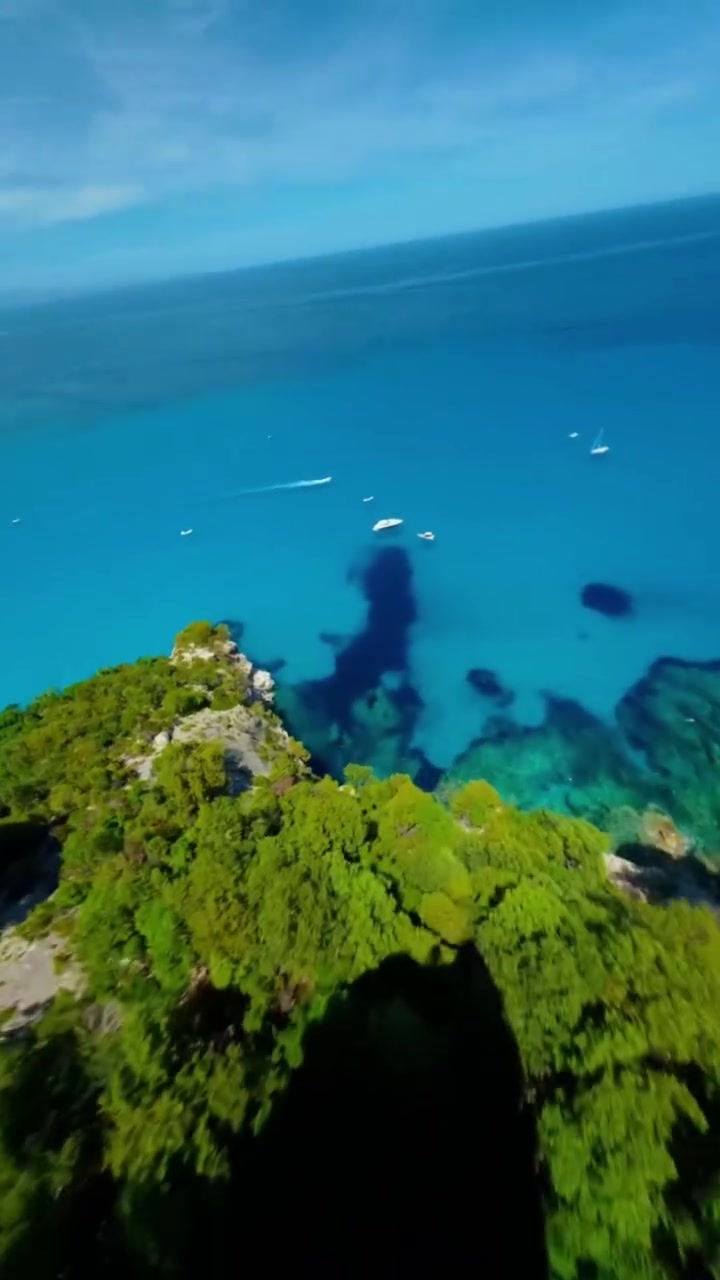
Cala Goloritzè: See Sardinia's Hidden Gem for Yourself
Tucked between towering limestone cliffs, Cala Goloritzè is a tiny beach with water so clear it almost looks unreal. The beach, part of the Mediterranean coastline, is a sight to behold. Like a surprise waiting to be discovered, what makes the beauty of Cala Goloritzè even more exciting is that it was not slowly shaped over thousands of years. Instead, it was created in an instant, when a landslide occurred. The topographical grin of Cala Goloritzè was carved by a sudden collapse of a mountainside in 1962. The rest, as they say, is history — of the wild and dramatic kind.
Rifts in Time: What Makes Cala Goloritzè Unique
Today, Cala Goloritzè is one of the most protected beach. For most travelers, the landscape is a surprise and the view is breathtaking. Cala Goloritzè is sourced from a rupture, a collapse that brought a mountain into the sea. But what makes the beach truly unique is a combination of its stark beauty, rich history, and rarity as a geological formation. The beach is hidden, in a way. Locals and tourist alike cannot simply stroll to it. The trek to the beach is a journey from Golgo Plateau, walking through the mountains on a trail roughly 3 km long. The trail is what makes Cala Goloritzè a destination.
Geological Genesis and Santa Maria
In 1962, part of the limestone mountainside collapsed into the sea, and that sudden event created one of the most beautiful beaches. The outcome of the collapse created a beach like no other.
Cascading Collapse
A cave in the cliffside lies on the left, while a nearby arch can be explored. Beyond the arch lies a small cove, revealing the Mediterranean Sea's true secret. Cala Goloritzè is part of a larger area known as the Ogliastra region of Sardinia, Italy. The area is known for its rugged coastline and pristine beaches. It is a haven for those who love the great outdoors.
Segregated Sanctuary
Drifting into Oceans of Mystery Turquoise waters meet the azure sky, as rugged rocks jut out from the water. Cliffs frame the scene, while sheer walls stand guard over the beachfront. Cala Goloritzè is truly picturesque. What's more, getting to the beach requires a hike through the Mediterranean countryside. To access the beach, one can hike down from the Golgo Plateau, following the trail through the mountains. The trek is about 3 kilometers in length.
Wild and Unspoiled
The Mediterranean Sea is best experienced in its raw and unspoiled form.
Adrenaline-Hiking to Cala Goloritzè
Finally, the adventurous approach the beach, revealing a panoramic view. The hike down is part of the experience. The trail starts at Golgo Plateau and follows a roughly three kilometer trail. The path offers dramatic views of the coastline, including rugged cliffs and turquoise waters. Upon reaching the beach, it becomes a destination in its own right.
A Getaway for the Fit and Tenacious
Routes and Timelines
The trek down to the beach from the Golgo Plateau takes roughly 3 kilometers, and depending on your fitness level, can take anywhere between 30-45 minutes to complete. It's worth noting that the hike is not suitable for young children or those with mobility issues.
Safety and Risks
The descent is rocky and steep. Be prepared for the journey. Stops are encouraged, so bring ample water and any necessary supplies.
Invitations to Intrigue
Stopping by the cave is highly encouraged. The site also includes a rocky arch, a cove, and a nearby cave. The region is known for its rich archaeological sites and historical significance, including a series of Bronze Age tombs and an ancient village.
Questions readers ask
What exactly caused the formation of Cala Goloritzè?
A landslide in 1962 caused the formation of Cala Goloritzè. A significant part of the limestone mountainside collapsed into the sea, creating the unique beach and its surrounding landscape.
How accessible is Cala Goloritzè for visitors?
Cala Goloritzè is not easily accessible by simple stroll. Visitors need to undertake a roughly 3-kilometer hike from the Golgo Plateau, which can take between 30 to 45 minutes, depending on one's fitness level. The hike is not recommended for young children or those with mobility issues.
What makes the hike to Cala Goloritzè worth it?
The hike to Cala Goloritzè is part of the experience, offering dramatic views of the coastline, rugged cliffs, and turquoise waters. Upon reaching the beach, visitors are rewarded with a panoramic view and the pristine beauty of the Mediterranean Sea.
Are there any notable features around Cala Goloritzè besides the beach?
Yes, there are several notable features. A cave in the cliffside and a nearby arch can be explored, and beyond the arch lies a small cove revealing more of the Mediterranean Sea's beauty.
Why is Cala Goloritzè considered a protected beach?
Cala Goloritzè is considered one of the most protected beaches due to its unique geological formation, rich history, and the rarity of its landscape. Its hidden location and the effort required to access it also contribute to its protected status.
What is the Ogliastra region, and why is it significant?
The Ogliastra region is the area where Cala Goloritzè is located. It is known for its rugged coastline and pristine beaches, making it a haven for outdoor enthusiasts and nature lovers.
Can you swim at Cala Goloritzè?
Yes, swimming is one of the main attractions at Cala Goloritzè. The beach is known for its clear, turquoise waters, which are perfect for a refreshing dip. However, visitors should be mindful of the sea conditions and their own swimming abilities, as the beach is quite remote and there are no lifeguards on duty.
Related deep dives
Similar reads based on topic and creator.




Recent articles
Fresh deep dives from the latest Reels we unpacked.




Comments
Be the first to comment.