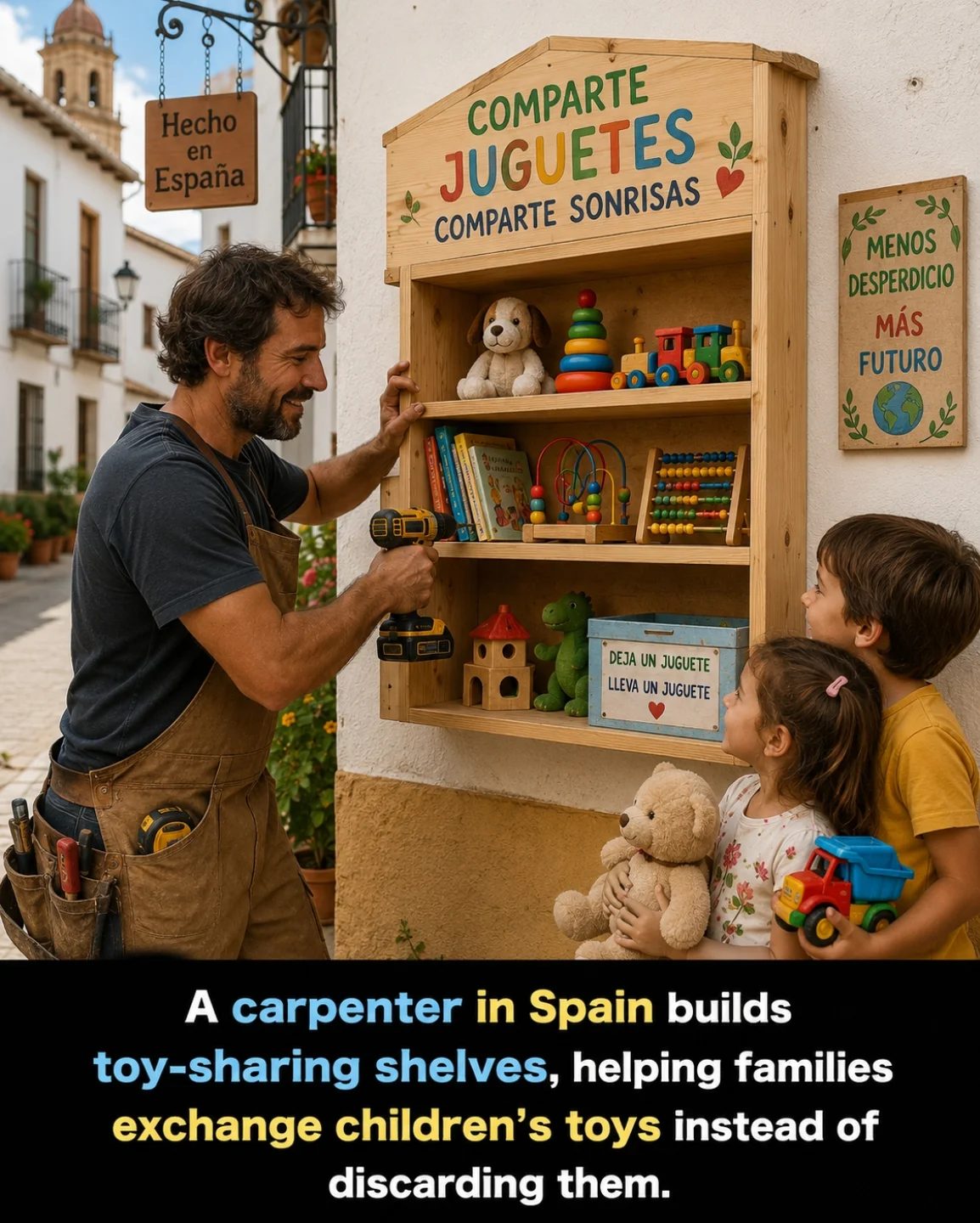
Building Toy-Sharing Shelves: A DIY Project for Sustainable Play
Toy-sharing shelves are a practical and eco-friendly solution for managing children's toys. These shelves not only help organize playthings but also encourage sharing and reduce waste. Here’s a comprehensive guide to building and utilizing toy-sharing shelves, inspired by a recent project in Spain.
Context / Why This Matters
In today's world, where consumption is rampant, finding ways to reduce waste and promote sustainable living is more important than ever. Toy-sharing shelves address this issue by creating a system where children can exchange toys, fostering a culture of sharing and reducing the need for new purchases. This DIY project not only benefits the environment but also teaches children valuable lessons about community and resource management.
Main Discussion
The Design and Purpose
Toy-sharing shelves are designed to be simple yet effective. The primary goal is to facilitate the exchange of toys among children. The shelves are typically arranged in a way that makes it easy for kids to leave a toy they no longer play with and take one they might enjoy. This system not only keeps toys in circulation but also teaches children the value of sharing and reusing items.
Materials and Tools
Building toy-sharing shelves requires a few essential materials and tools. The key materials include:
- Wooden boards (for the shelves and structure)
- Screws and nails
- Wood glue
- Paint or varnish (optional, for a finished look)
- Various tools such as a power drill, saw, screwdriver, and measuring tape
The process involves cutting the wooden boards to the desired size, assembling the structure, and securing it with screws and nails. Wood glue can be used for added stability. For a polished look, you can paint or varnish the shelves. The shelves are designed to be sturdy and durable, ensuring they can withstand the wear and tear of frequent use by children.
The Building Process
The construction of toy-sharing shelves typically involves several steps:
- Planning and Design: Start by planning the dimensions of your shelves. Consider the space available and the number of toys you need to accommodate.
- Cutting the Wood: Use a saw to cut the wooden boards to the desired lengths. Ensure all measurements are accurate for a neat fit.
- Assembling the Structure: Use screws and nails to assemble the shelves. Start by building the frame and then attach the shelves to it. Wood glue can be applied for added support.
- Finishing Touches: Once the shelves are assembled, you can paint or varnish them for a finished look. This step is optional but can enhance the aesthetics of the shelves.
- Installation: Finally, install the shelves in a designated area, such as a playroom or communal space. Ensure they are securely fixed to the wall for safety.
Benefits of Toy-Sharing Shelves
Toy-sharing shelves offer several benefits, both for individuals and the community. Here are a few key advantages:
- Reducing Waste: By promoting the exchange of toys, these shelves help reduce the amount of waste generated from discarded toys.
- Encouraging Sharing: They encourage children to share and value community resources, fostering a sense of cooperation and kindness.
- Sustainable Living: These shelves contribute to a more sustainable lifestyle by reducing the need for new toy purchases.
- Organization: They help keep toys organized and make it easy for children to access and return toys.
Practical Tips
Involving Children in the Process
Involving children in the building or maintenance of toy-sharing shelves can be a rewarding experience. It not only teaches them about the importance of sharing and sustainability but also gives them a sense of responsibility and ownership. Allow them to help with simple tasks like painting or organizing the toys on the shelves.
Location and Accessibility
When installing toy-sharing shelves, consider the location and accessibility. Place them in a communal area where children can easily access and use them. Ensure the shelves are at a height that is convenient for children to reach and interact with.
Regular Maintenance
Regular maintenance is essential to keep the shelves in good condition. Periodically check for any signs of wear and tear, and make necessary repairs. Encourage children to keep the shelves organized and clean by returning toys to their designated places.
Important Takeaways
Toy-sharing shelves are a practical and sustainable solution for managing children's toys. They promote sharing, reduce waste, and contribute to a more environmentally friendly lifestyle. Involving children in the process and ensuring regular maintenance can enhance the overall experience and benefits of these shelves.
Conclusion
Building toy-sharing shelves is a DIY project that offers numerous benefits for both individuals and the community. By promoting sharing and reducing waste, these shelves contribute to a more sustainable way of living. Whether you are a parent, teacher, or community leader, implementing toy-sharing shelves can be a step towards a more eco-friendly and cooperative environment.
Questions readers ask
What are toy exchange shelves and how do they promote sustainability?
Toy exchange shelves are community-based structures where children can swap their used toys for new ones. This practice promotes sustainability by encouraging reuse and reducing waste, as fewer toys end up in landfills. It also decreases the demand for new toy production, lowering the environmental impact.
How did the toy-sharing project in Spain inspire the creation of toy exchange shelves?
The toy-sharing project in Spain demonstrated the success of community-based toy exchange initiatives. By observing the positive impact on local communities and the environment, the idea of creating DIY toy exchange shelves gained traction. These shelves mimic the successful model, encouraging other communities to adopt similar practices.
What materials are typically used to build toy exchange shelves?
Toy exchange shelves can be constructed using a variety of materials, but wood is a popular choice due to its durability and eco-friendly nature. Upcycled materials, such as old pallets or reclaimed wood, can also be used to build the shelves, further reducing waste and promoting sustainability.
How can toy exchange shelves benefit local communities?
Toy exchange shelves foster a sense of community by encouraging sharing and interaction among families. They provide a space for children to learn about the value of sharing and reuse. Additionally, they can help parents save money by reducing the need to purchase new toys frequently, and contribute to a more sustainable lifestyle.
What are some tips for maintaining a successful toy exchange shelf?
To maintain a successful toy exchange shelf, ensure that the shelves are regularly cleaned and organized. Encourage families to donate toys in good condition and to be mindful of the space available. Regularly update the toy selection and consider seasonal swaps to keep the shelf interesting and functional.
How can I start a toy-sharing community similar to the one in Spain?
To start a toy-sharing community, begin by assessing the interest in your area and reaching out to local families. Build or acquire a toy exchange shelf, and place it in a central, accessible location. Promote the initiative through local social media groups, community boards, and word of mouth to attract participants and build a thriving toy-sharing community.
Are there any safety considerations when building and using toy exchange shelves?
When building toy exchange shelves, prioritize safety by using sturdy materials and ensuring the shelves are securely fastened. Encourage families to clean and sanitize toys before donating them. Regularly inspect the shelf for any signs of wear and tear to ensure it remains safe for use.
Recent articles
Fresh deep dives from the latest Reels we unpacked.




Comments
Be the first to comment.