Roadside Book Cupboards in Brazil
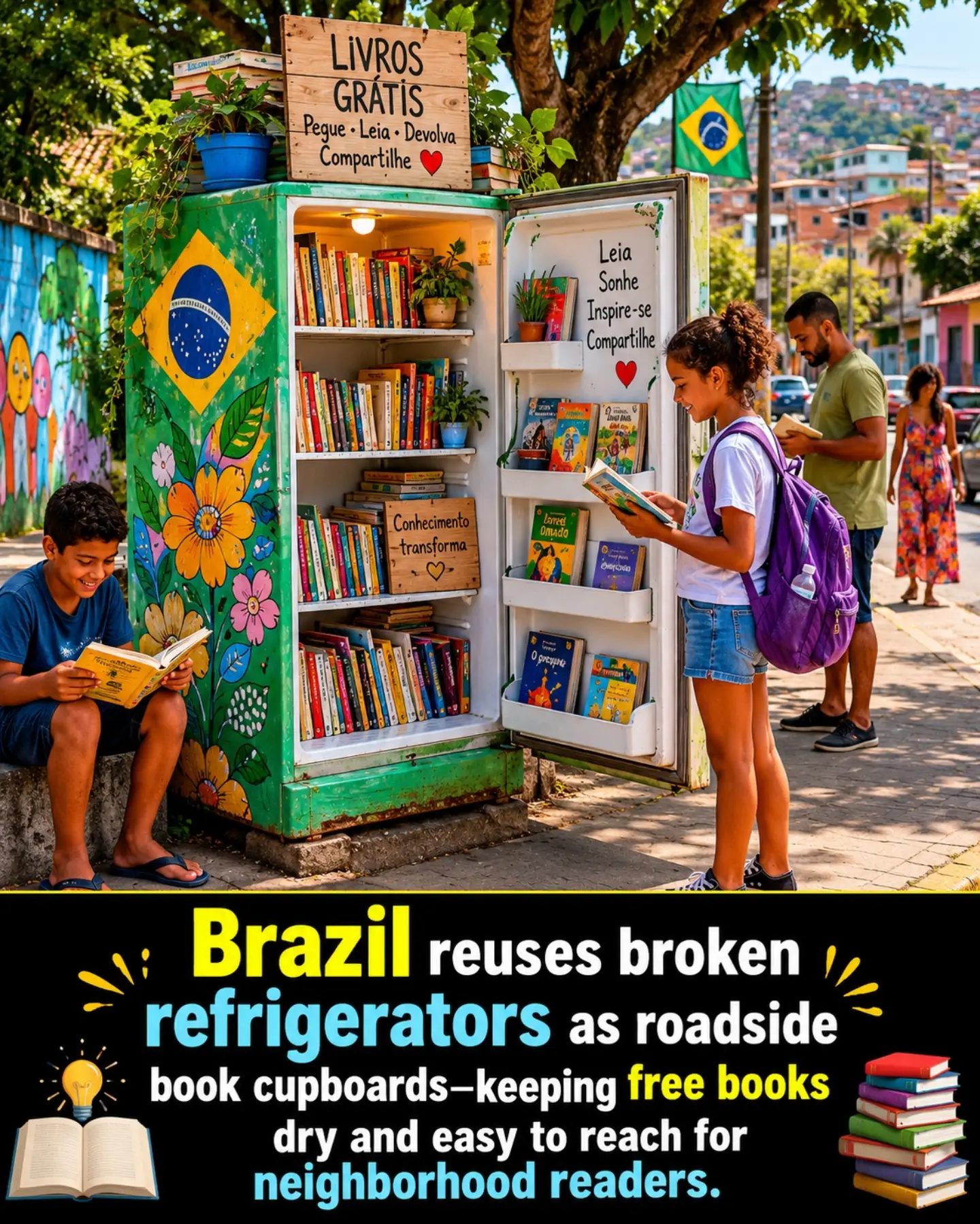
Roadside book cupboards in Brazil have become a vibrant symbol of community engagement and a creative solution to promote literacy. These cupboards, which are repurposed from old and broken refrigerators, provide free books to neighborhood readers. Here's why this initiative matters and how it's making a difference.
Why this matters
In many communities, access to books can be limited, especially in low-income areas. Roadside book cupboards help bridge this gap by providing free and convenient access to reading materials. The initiative in Brazil is particularly notable for its sustainability and community-oriented approach, turning waste into a valuable resource.
Main discussion
The genesis of book cupboards
The concept of roadside book cupboards as public libraries is a simple and effective idea: transform discarded refrigerators into colorful, weatherproof book boxes. Brazil's initiative is a testament to how communities can reimagine everyday objects and create meaningful solutions. By using old refrigerators, the project not only provides books to those who need them but also reduces waste by repurposing unwanted items.
Community engagement
One of the key aspects of this initiative is its focus on community involvement. The roadside book cupboards are maintained and stocked by residents, fostering a sense of ownership and responsibility. This model ensures that the books are well-preserved and the project continues to thrive, all while promoting a culture of reading and sharing among neighbors.
Promoting literacy
Books are the cornerstone of this initiative, and they are provided for free. The cupboards contain a variety of genres and topics, making them accessible and appealing to readers of all ages. By encouraging reading and giving residents easy access to books, the initiative helps improve literacy rates and fosters a love of reading.
Environmental impact
The environmental benefits of repurposing old refrigerators are clear. Instead of ending up in landfills or incinerators, these broken items are given a new life. This contributes to a cleaner environment and reduces the need for new materials, thereby cutting down on resource depletion and waste generation.
The role of sustainability
In a world where sustainability is becoming increasingly important, the roadside book cupboards offer a great example of how everyday objects can be repurposed to serve multiple purposes. The initiative also serves as a reminder of the value of reuse, recycling, and upcycling efforts.
Practical tips
Setting up your book cupboard
If you're inspired by the Brazilian initiative and want to start a similar project in your community, here are some practical tips to help you get started:
- Find a suitable location: Choose a spot that is easily accessible to the public, such as a busy street corner or a community park.
- Gather materials: Collect old refrigerators, paint, and books. You may need some basic tools for assembly and fixing.
- Engage the community: Get your neighbors involved in the project. They can help with book donations, painting, and maintenance.
- Promote the initiative: Share the project on social media and local community boards to spread awareness and encourage participation.
Maintaining the cupboard
To ensure the longevity of the book cupboard, regular maintenance is essential:
- Regular check-ups: Inspect the cupboard regularly to ensure it's in good condition. Fix any damage that may occur.
- Stocking books: Keep the cupboard well-stocked with a variety of books. Encourage the community to donate books they no longer need.
- Weatherproofing: Ensure the cupboard is weatherproofed to protect the books from rain, moisture, and dust.
- Community involvement: Involve the community in maintaining the cupboard. This not only helps keep it in good condition but also fosters a sense of ownership and shared responsibility.
Important takeaways
- Community involvement is key to the success of roadside book cupboards. By engaging residents, the project can thrive and continue to make a positive impact.
- Sustainability is central to the initiative. Repurposing old refrigerators reduces waste and conserves resources.
- Promoting literacy and fostering a love for reading are essential goals of the project, making books accessible to all neighborhood readers.
Conclusion
Roadside book cupboards in Brazil are a shining example of community-driven initiatives that combine creativity, sustainability, and a love for reading. By transforming old refrigerators into beloved community resources, this project not only reduces waste but also fosters a culture of sharing and engagement. If you’re looking to bring something similar to your neighborhood, remember that community involvement and a commitment to sustainability are key to making it a success. With a little creativity and a lot of heart, you can create a lasting impact in your community.
Questions readers ask
How do roadside book cupboards in Brazil help promote literacy?
Roadside book cupboards in Brazil provide free and easy access to books, encouraging reading among community members. By offering a variety of titles, these cupboards cater to different reading interests and levels, nurturing a love for reading and enhancing literacy skills among residents.
What are roadside book cupboards made from?
These cupboards are made from repurposed, old, and broken refrigerators. This creative approach not only provides a useful resource but also promotes sustainability by reducing waste and giving old items a new purpose.
Who maintains the roadside book cupboards in Brazil?
Local residents are responsible for maintaining these cupboards. Community members manage the book collection, ensuring a steady supply of reading materials and fostering a sense of community ownership and engagement.
How do roadside book cupboards in Brazil support sustainability?
By repurposing old refrigerators, these book cupboards reduce waste and promote recycling. Additionally, they encourage community engagement, which can lead to a shared responsibility for environmental stewardship among residents.
Can anyone access the books in the roadside book cupboards?
Yes, the books are available for free to anyone in the community. Residents can take a book to read and are encouraged to return it or exchange it with another after finishing, creating a continuous cycle of community book sharing.
What types of books can be found in these roadside cupboards?
The selection of books varies, but generally, you can find a mix of genres, including children's books, novels, non-fiction, and even textbooks. This variety ensures that there is something for everyone, catering to different age groups and interests.
How can I start a roadside book cupboard in my neighborhood?
To start a roadside book cupboard, find a repurposed refrigerator or a similar structure, and place it in a convenient and safe location. Encourage your neighbors to contribute books and participate in the initiative. Regular maintenance and community involvement will help sustain the project.
Related deep dives
Similar reads based on topic and creator.




Recent articles
Fresh deep dives from the latest Reels we unpacked.



Comments
Be the first to comment.