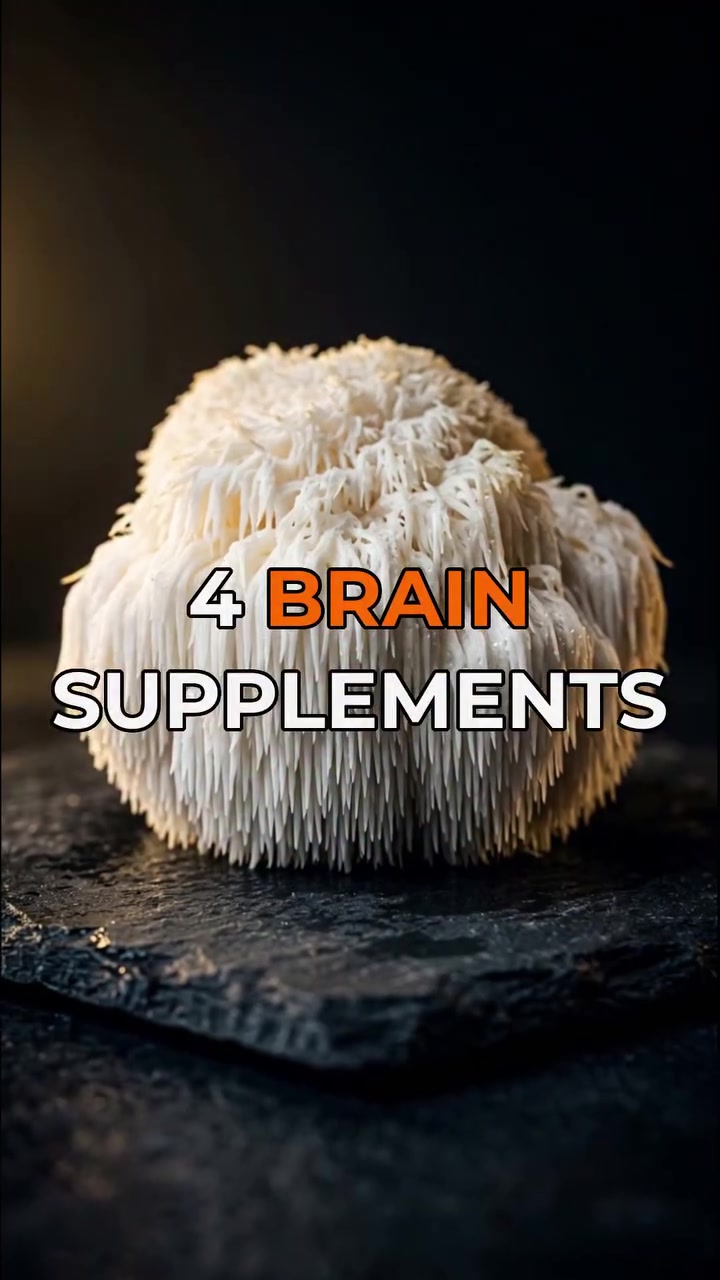
Which Brain Supplements Do the Studies Back Up?
In the crowded world of brain supplements, separating fact from fiction can be challenging. One video pitches a straightforward ranking of the four most popular brain supplements, based on real human trial evidence. The traditional gym favorite, creatine, tops the list. But it wasn't just the strength and muscle power that gave it the edge: creatine also sharpens reasoning ability, especially when you’re sleep-deprived. The promise of brain health has lured many to experiment with Lion's Mane, Omega-3 (DHA), and the classic combo of caffeine and L-theanine. Yet, the evidence for these rivals is less compelling.
The Evidence Game
What do we mean by "evidence"? This ranking is based on the depth and reliability of human trials, not just a few anecdotes or animal studies. Historical gold standards for proving the efficacy of any drug for the brain — lucidity, IQ, memory, and focus — stem from clinical trial methodologies. The ranking prioritizes supplements that are well-researched, with consistently proven effects on cognition. The evidence game requires a nuanced approach. Some supplements boast flashy anecdotes but fall short in controlled trials. Meanwhile, other supplements enjoy strong clinical evidence but get overshadowed by hype.
The Rise of the Brain Supplement
The global brain supplement market is expanding rapidly, alongside broader trends in health and wellness. Brain supplements have become part of a larger movement to optimize cognitive function. The allure of sharp reasoning, better focus, improved memory, and other mental benefits drives interest in supplements like Lion's Mane, creatine, and Omega-3 (DHA). Brain supplements offer the promise of optimizing cognitive performance. But understanding the evidence behind these claims is necessary to evaluate potential benefits and risks.
The Science of Stacking Ingredients
Stacking: The Additive Effect
Stacking involves combining multiple supplements to enhance cognitive function. The video highlights caffeine paired with L-theanine as a trustworthy stack. This combination is well known for its ability to produce a more sustained and balanced boost in focus and alertness. On the other hand, creatine typically isn't part of classic nootropic stacks due to its popularity among gym-goers. This isn't just about gym workouts; creatine has been found to improve cognitive performance, especially in sleep-deprived states.
Lion's Mane: The Mixed Bag
Lion's Mane mushrooms have become a trendy supplement, often touted for benefits like cognitive enhancement, improved mood, and reduced anxiety. The mushroom garners attention, especially among those seeking natural approaches to brain health. It also shows some promise, especially in terms of longevity and neural regeneration and structure.
Omega-3 (DHA): The Cognitive Boost
Omega-3 fatty acids, particularly the DHA form, are well-researched for their cognitive benefits. The evidence stands out for Omega-3's positive effects on memory and overall brain health. For those who are low in Omega-3s, the benefits seem to be the most pronounced.
Creatine: More Than Just Muscle
Creatine stands out for its proven cognitive benefits, especially for reasoning. Meta-analyses affirm that creatine improves various aspects of cognitive function, particularly when the brain is under strain, such as during sleep deprivation.
Consumer Considerations
Brain health is a popular consumer category, with swift-moving trends and products. Creatine might be best for sleep-deprived reasoning. Omega-3 (DHA) is generally advised for ensuring a good baseline of fat-soluble brain nutrients. Lion’s Mane has some early advantages in animal models, but more definitive proof is needed.
- Weekend warriors — Creatine might be your best bet. According to studies, creatine sharpens the brain when deprived of sleep, and that is a function of modern life.
- Dieters - Omega-3 fatty acids are essential for overall brain health, and a dose of 500mg of DHA has strong support in the literature.
- Focus fans - Opting for the caffeine and L-theanine combination can provide a modest, reliable, well-replicated focus bump.
Supplement Savvy
Buying brain supplements involves navigating an often-fuzzy market. It reveals some stark contrasts: the one praised by studies not only for its impact on muscles but also for cognitive abilities, creatine, and the one that is hyped up more than its clinical efficacy at present. Research results show creatine does more than boost muscles. Creatine also sharpens mental agility, especially when the mind is weary. The mechanism seems to involve the brain's energy reserves. It’s a surprise to many that creatine can enhance reasoning, particularly when the brain is under stress. In contrast, Lion's Mane, the most hyped, still requires more clinical backing. It holds promise, especially in its early studies, but the evidence isn't fully decisive yet. Omega-3 DHA emerges as another solid choice, particularly for those aiming to bolster memory. People who have lower baseline Omega-3 levels see the most significant gains. When pairing supplements, some arent’t as effective by themselves. Caffeine and L-theanine are tried and tested. While caffeine offers a quick boost, L-theanine smooths the road, fostering a more balanced, sustained increase in focus.
Questions readers ask
What makes creatine stand out among other brain supplements?
Creatine is uniquely backed by solid clinical evidence for improving cognitive function, particularly in areas like reasoning and sleep-deprived states. Unlike other supplements that may rely on anecdotal evidence, creatine has been rigorously tested in human trials, making it a top choice for those looking to enhance their brain performance. Its popularity in gyms also highlights its versatility, as it benefits both physical and mental performance.
Why is the evidence for Lion's Mane and Omega-3 less compelling than that for creatine?
While Lion's Mane and Omega-3 (DHA) have some promising studies, the evidence isn't as robust or consistent as that for creatine. Lion's Mane shows potential in terms of neural regeneration and longevity, but more research is needed to solidify its cognitive benefits. Omega-3s, particularly DHA, have strong evidence for overall brain health and memory, but the benefits are more pronounced in those who are deficient in these fatty acids.
How does the process of stacking supplements work, and what are some effective combinations?
Stacking involves combining multiple supplements to enhance cognitive function. One effective stack mentioned in the article is caffeine paired with L-theanine, which is known for providing a sustained and balanced boost in focus and alertness. Another less common but effective stack is creatine. It's not typically part of classic nootropic stacks, but it has been found to improve cognitive performance, especially when you're sleep-deprived.
What should I consider when choosing a brain supplement based on this article?
When choosing a brain supplement, prioritize those with solid clinical evidence from human trials. Creatine is a standout choice due to its proven cognitive benefits. Be cautious of supplements that rely heavily on anecdotal evidence or animal studies. Consider your specific needs and whether you are deficient in certain nutrients, as this can affect the potential benefits of supplements like Omega-3 (DHA).
Related deep dives
Similar reads based on topic and creator.




Recent articles
Fresh deep dives from the latest Reels we unpacked.




Comments
Be the first to comment.