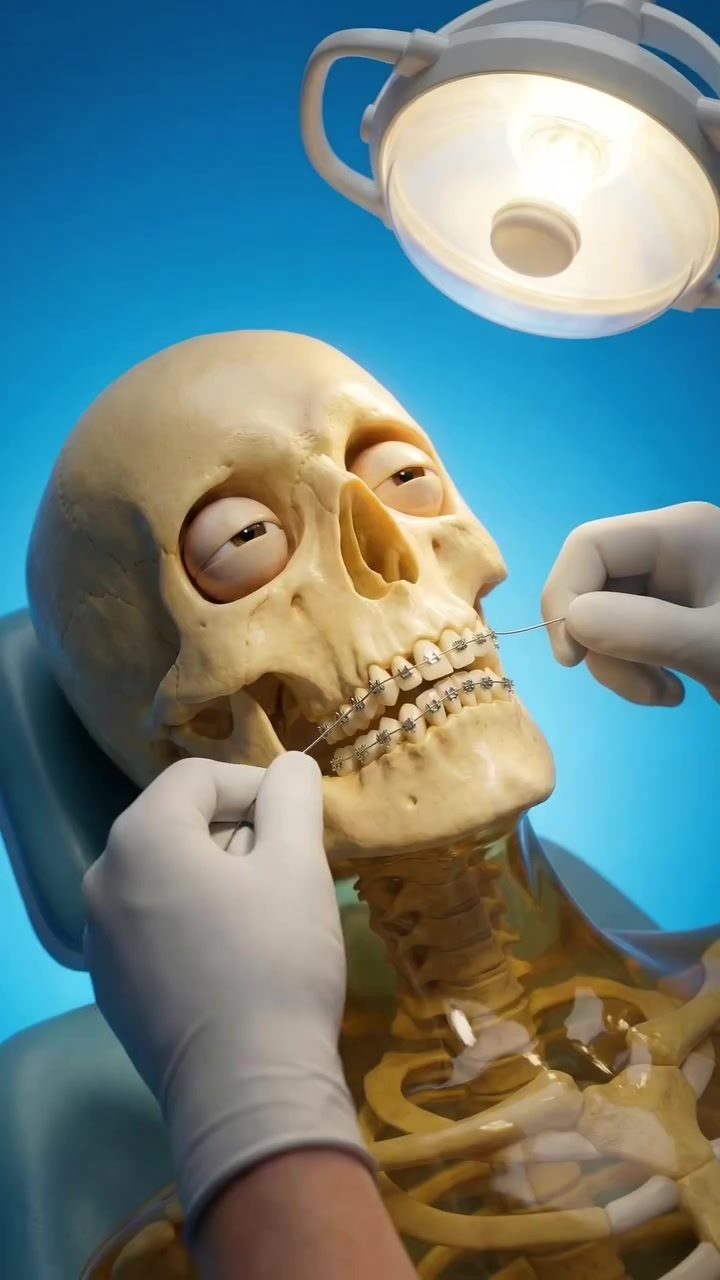
Braces and the Transformation of Your Teeth
Dental braces are a common orthodontic treatment used to correct misaligned teeth and jaw issues. The journey of getting braces involves more than just straightening teeth; it's a process that affects your overall facial structure and confidence. Understanding what happens to your teeth and face during this process can help you navigate the experience more smoothly.
Why This Matters
Braces are more than just a cosmetic treatment. They play a crucial role in improving oral health, correcting bite issues, and enhancing overall facial aesthetics. The journey of wearing braces is not just about the final result but also about the transformation that happens over time. This process can significantly impact your daily life, from how you eat to how you feel about your smile.
The Journey of Getting Braces
Day 1: The Initial Strangeness
The first day with braces is often the most challenging. Your mouth suddenly feels full of metal, and every bite can be a shock. Imagine trying to bite into an apple and experiencing a sharp, electric pain shooting through your jaw. This sensitivity is a normal reaction as your teeth and gums adjust to the new pressure. The constant urge to run your tongue over the braces adds to the discomfort.
Day 7: Dealing with Food and Sensitivity
A week into wearing braces, food becomes your enemy. Everything seems to get stuck in the braces, making eating a chore. Brushing your teeth after every snack feels like a never-ending task. Your gums remain sore and sensitive, and even simple foods like popcorn can turn into a nightmare. The sensitivity and discomfort can be overwhelming, but it's a temporary phase.
Day 30: The Magic Begins
Around the 30-day mark, the real transformation begins. Your bones start to reorganize themselves under the constant pressure from the braces. You might not see huge changes yet, but every morning your bite feels slightly different. This is when you realize that your face is quietly transforming. The process is gradual, but it's a positive step towards a more aligned and confident smile.
Day 180: A New You
Six months into the process, significant changes become apparent. Your face shape changes, your jawline becomes more defined, and your smile gets wider. This transformation boosts your confidence, making you feel like your whole expression is upgrading. You catch yourself smiling more in photos, talking more freely, and feeling more comfortable with your appearance.
Practical Tips for Managing Braces
Eating with Braces
Eating with braces can be challenging, but choosing the right foods can make a big difference. Opt for softer foods that are less likely to get stuck in your braces. Avoid hard, sticky, and chewy foods that can cause discomfort or damage your braces. Cutting food into smaller pieces and chewing slowly can also help.
Oral Hygiene
Maintaining good oral hygiene is crucial when you have braces. Brushing and flossing become even more important to prevent food from getting stuck and to keep your teeth and gums healthy. Consider using an interdental brush or a water flosser to clean hard-to-reach areas. Regular check-ups with your orthodontist will ensure that your braces are working correctly and that your teeth are aligning as expected.
Important Takeaways
Patience and Persistence
The journey of getting braces requires patience and persistence. The initial discomfort and sensitivity are temporary, and the long-term benefits far outweigh the short-term challenges. Remember that every small change in your bite and facial structure is a step towards a healthier, more confident smile.
The Impact on Confidence
One of the most significant changes you'll notice is the boost in confidence. As your teeth straighten and your facial structure improves, you'll find yourself smiling more often and feeling more comfortable in social situations. The transformation goes beyond just straight teeth; it's about how you feel about yourself.
Conclusion
Dental braces are a transformative journey that affects not just your teeth but your entire facial structure and confidence. From the initial discomfort to the gradual changes, every step is a part of a bigger picture. Understanding what to expect and how to manage the process can make your experience smoother and more enjoyable.
Questions readers ask
How do braces help in straightening teeth and improving bite?
Braces work by applying gentle pressure to teeth, gradually moving them into the desired position. This process not only straightens your teeth but also corrects bite issues, such as overbites, underbites, and crossbites, by aligning your jaw properly.
What changes can I expect in my facial structure during the braces journey?
As braces correct the alignment of your teeth and jaw, you may notice changes in your facial structure. This can include a more defined jawline, improved cheekbone structure, and a more balanced facial profile. These changes occur gradually as your teeth and jaw shift into their new positions.
How does wearing braces impact my daily life?
Wearing braces can initially affect your daily life, especially your eating habits. You may need to avoid hard, sticky, or chewy foods that can damage the braces. Additionally, you might experience some discomfort or sensitivity in your teeth, which usually subsides as you adjust to the braces.
What is the typical timeline for the braces transformation process?
The duration of braces treatment varies depending on the severity of the dental issues. On average, the process can take anywhere from 18 to 24 months. Regular check-ups with your orthodontist will help monitor your progress and make necessary adjustments to ensure optimal results.
How do braces enhance my smile and confidence?
Braces improve your smile by aligning your teeth and correcting any misalignments, which can make your teeth appear more uniform and symmetrical. This enhanced appearance can boost your confidence, as you'll feel more comfortable smiling and engaging in social interactions.
What should I do if I experience sensitivity in my teeth while wearing braces?
It's common to experience some sensitivity in your teeth, especially after adjustments. To manage this discomfort, you can use over-the-counter pain relievers, apply a topical dental gel, or rinse with warm salt water. If the sensitivity is severe or persistent, contact your orthodontist for advice.
How do braces correct jaw alignment issues?
Braces can correct jaw alignment issues by gradually moving the teeth into the correct positions, which in turn guides the jaw into proper alignment. This process can help alleviate issues like TMJ disorders, reduce wear and tear on your teeth, and improve overall oral health.
Related deep dives
Similar reads based on topic and creator.
Recent articles
Fresh deep dives from the latest Reels we unpacked.




Comments
Be the first to comment.