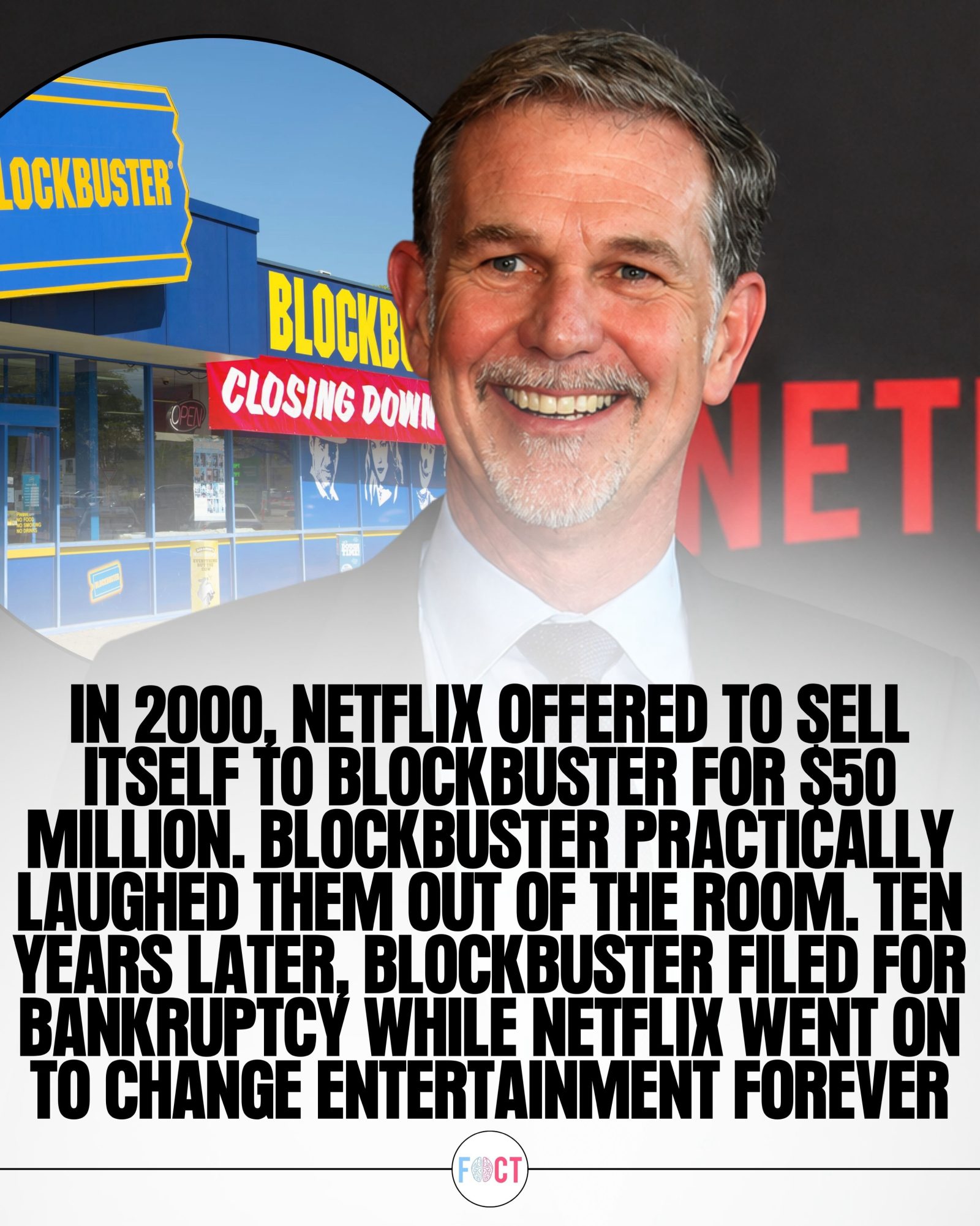
Blockbuster vs. Netflix: A Tale of Two Entertainment Giants
The story of Blockbuster and Netflix is a fascinating journey through the evolution of the entertainment industry. In 2000, Netflix, a fledgling DVD-by-mail company, offered to sell itself to the behemoth of the movie rental industry, Blockbuster. The offer was for a mere $50 million. Blockbuster, at the height of its power, rejected the offer. This decision would ultimately shape the future of both companies and the entertainment landscape as a whole.
Why This Matters
The rise and fall of Blockbuster and the meteoric ascent of Netflix highlight several pivotal moments in business history. This tale underscores the importance of recognizing emerging trends, the risks of underestimating competitors, and the impact of technological innovation on traditional business models. The success of Netflix and the downfall of Blockbuster serve as a case study in the consequences of failing to adapt to new technologies.
The Early Days of DVD Rentals
Blockbuster's Dominance
In the 1990s, Blockbuster was the undisputed king of movie rentals. With thousands of stores worldwide, it controlled the market and was synonymous with weekend movie nights. The company's business model centered around physical stores where customers could browse, rent, and return DVDs and VHS tapes. This strategy was highly profitable and established Blockbuster as a household name.
Netflix's Humble Beginnings
Netflix, on the other hand, started as a humble DVD-by-mail service. Founded in 1997, the company allowed customers to rent DVDs by mail, which they could return at their leisure. This model offered convenience and flexibility, but it was initially unprofitable and faced significant challenges in gaining market share against Blockbuster.
The $50 Million Offer
In 2000, Netflix made a bold move. With a market valuation of $50 million, Netflix offered to sell itself to Blockbuster. The proposal included a unique arrangement where Netflix would operate Blockbuster's online rental service. This deal would have allowed Blockbuster to expand its reach into the digital realm while keeping Netflix's innovative team within the company. Blockbuster, however, saw Netflix as a minor threat and rejected the offer, practically laughing them out of the room.
The Turning Point
Netflix's Evolution
Rejected by Blockbuster, Netflix continued to innovate. In 2007, the company launched its streaming service, which revolutionized the way people consumed entertainment. Streaming allowed users to access a vast library of movies and TV shows instantly, without the need for physical discs or trips to a store. This groundbreaking service transformed Netflix into a global leader in the entertainment industry.
Blockbuster's Struggles
Meanwhile, Blockbuster failed to keep up with the changing landscape. The company struggled to adapt to the new era of digital entertainment. Its reliance on physical stores and the late adoption of digital rental options left it increasingly irrelevant in a market where convenience and instant access were paramount. By 2010, Blockbuster filed for bankruptcy, unable to compete with the new wave of digital entertainment services led by Netflix.
The Impact on the Entertainment Industry
The downfall of Blockbuster and the rise of Netflix have had a profound impact on the entertainment industry. The transition from physical media to digital streaming has fundamentally changed how consumers access and enjoy content. This shift has also led to the emergence of new business models and platforms, including:
-
Subscription Services: The success of Netflix's subscription model has inspired numerous competitors, including Hulu, Amazon Prime Video, and Disney+. These services offer a wide range of content for a monthly fee, providing consumers with unlimited access to movies, TV shows, and original programming.
-
Original Content: Netflix's investment in original content has set a new standard for streaming services. Shows like "Stranger Things," "The Crown," and "House of Cards" have garnered critical acclaim and massive audiences, proving that original content can drive viewer engagement and loyalty.
-
Global Expansion: The shift to digital streaming has allowed companies like Netflix to expand globally, reaching audiences in countries around the world. This global reach has opened up new markets and revenue streams, making streaming a truly international phenomenon.
Practical Tips for Businesses
The story of Blockbuster and Netflix offers valuable lessons for businesses in any industry:
-
Stay Ahead of Trends: Keep an eye on emerging technologies and market trends. Early adoption can give you a competitive edge and help you stay relevant in a rapidly changing landscape.
-
Adapt or Risk Obsolescence: Be prepared to pivot and adapt your business model to meet the evolving needs of your customers. Failure to adapt can lead to obsolescence, as seen in Blockbuster's downfall.
-
Recognize the Value of Innovation: Underestimate the potential of new competitors at your peril. Blockbuster's dismissal of Netflix's offer is a cautionary tale about the importance of recognizing the value of innovation and new ideas.
-
Invest in Technology: Embrace and invest in technology to enhance your operations and customer experience. Digital transformation can open up new opportunities and drive growth.
Important Takeaways
The tale of Blockbuster and Netflix is a sobering reminder of the importance of innovation and adaptation in a rapidly changing market. Key takeaways include:
- Innovation Pays Off: Netflix's willingness to innovate and pivot to streaming services ultimately led to its success, while Blockbuster's reliance on traditional methods led to its downfall.
- Customer Experience Matters: Netflix's focus on convenience and customer experience set it apart from Blockbuster, making it a preferred choice for consumers.
- Digital Transformation is Key: The shift to digital platforms has revolutionized the entertainment industry, and companies that embrace this transformation are better positioned for long-term success.
Conclusion
The rise and fall of Blockbuster and the meteoric ascent of Netflix provide a compelling narrative about the entertainment industry's transformation. Blockbuster's rejection of Netflix's offer in 2000 set both companies on divergent paths. While Blockbuster struggled to adapt to the digital age, Netflix embraced innovation and changed the way the world consumes entertainment. The story serves as a powerful reminder of the importance of staying ahead of trends, investing in technology, and recognizing the value of new ideas. As the entertainment landscape continues to evolve, the lessons from this rivalry will remain relevant for any business striving to thrive in a competitive market.
Questions readers ask
What was the significance of Blockbuster's 2000 rejection of Netflix's $50 million offer?
Blockbuster's rejection of Netflix's $50 million offer in 2000 was a turning point in the entertainment industry. It allowed Netflix to grow and innovate, eventually leading to the rise of streaming services. Meanwhile, Blockbuster struggled to adapt, ultimately leading to its decline and eventual bankruptcy.
How did Netflix transform after Blockbuster's rejection of the acquisition offer?
After Blockbuster's rejection, Netflix continued to grow its DVD-by-mail service and later pioneered streaming services. This transformation allowed Netflix to become a dominant player in the entertainment industry, offering a vast library of movies and TV shows accessible from anywhere at any time.
What role did consumer trends play in the downfall of Blockbuster?
Consumer trends shifted towards convenience and accessibility, which Blockbuster failed to capitalize on. Netflix's model of mailing DVDs and later streaming services aligned with these trends, making it a popular choice for consumers. This shift contributed significantly to Blockbuster's decline.
How did Blockbuster's approach to technology influence its future?
Blockbuster's dismissal of Netflix's offer and its reluctance to embrace new technologies were pivotal. The company's failure to adapt to the digital age and streaming services, alongside its reliance on traditional video rentals, led to its downfall.
What can businesses learn from the Blockbuster-Netflix story?
This story serves as a case study in the importance of recognizing and adapting to emerging trends and technologies. Businesses should be cautious of dismissing smaller competitors and stay open to new ideas that align with changing consumer behavior.
Related deep dives
Similar reads based on topic and creator.




Recent articles
Fresh deep dives from the latest Reels we unpacked.




Comments
Be the first to comment.