Stirring the Panic: What are the Climate Claims against Cattle?
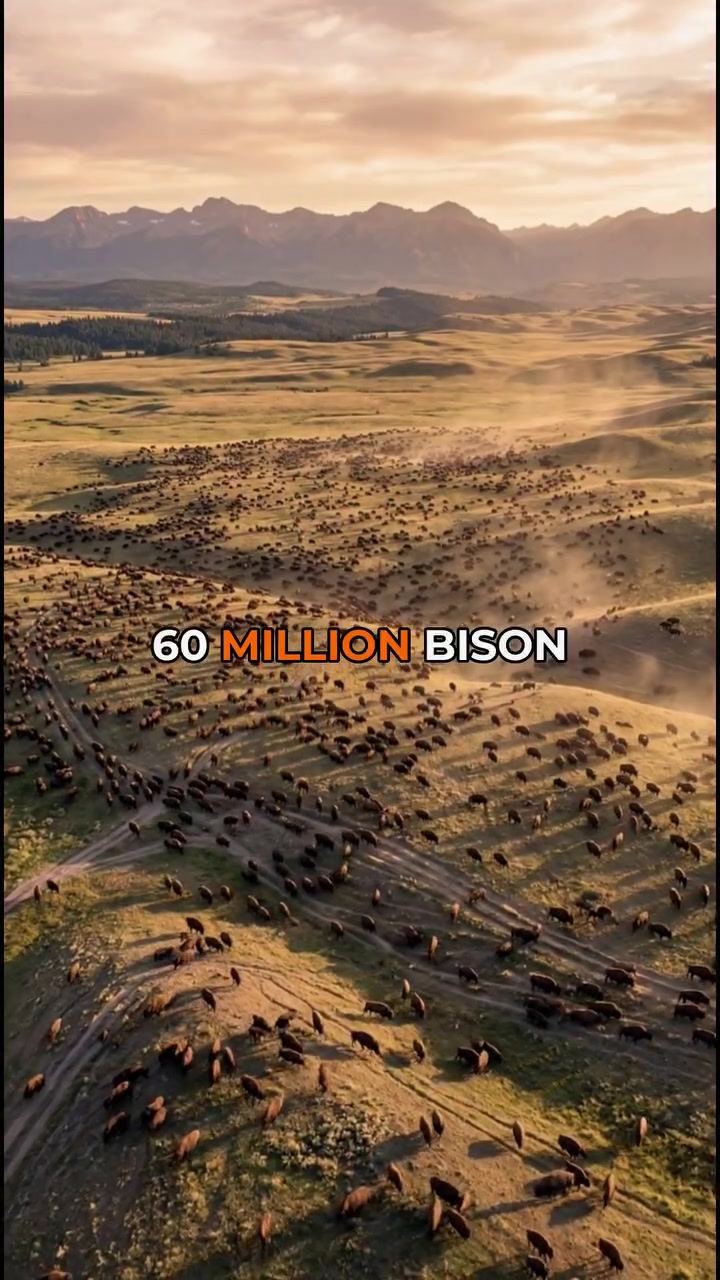
Forty million bison once roamed North America, releasing the same methane gas now blamed for cows’ climate impact. For context, a herd of 100 million animals, including today’s cows, produce 4% of US emissions, compared to 28% from transport. Such numbers matter because it is widely believed that beef is destroying the planet. The popular story is that, 51% of all emissions are somehow blamed on livestock. It's not true. These numbers came from a magazine article and a UN report renounced by its own authors.
Cattle Climate Anxiety: The Argument Explained
Cows produce methane, a potent greenhouse gas. In the nitrogen cycle, it breaks down in about 12 years, grass pulls that carbon straight back out of the sky. A steady herd adds almost no new warming. By the best estimates, around 86% of what America's farm animals produce today is old gas. In North America, tens of millions of bison belched methane across this very land. The methane did not arrive with the cow. The problem starts with land clearing.
The Ancient Herd, the Modern Herd
Long before the cow, tens of millions of bison roamed North America. From Texas to Saskatchewan, these vast herds migrated across the plains, each animal contributing methane to the atmosphere. What many people forget, is that it was fine. For example, a healthy herd in grasslands keeps the landscape healthy — providing a self-sustaining climate. With 60 million bison it was fine. With 100 million cows, it's not. The difference hinges on land use and monoculture. Bison live where they can forage, but modern cattle are confined to feedlots after grazed grasslands are converted to crops. The problem comes from the new lands that industrial animal agriculture requires
The UN Report
The infographic outlines the breakdown of US emissions by sector. Transport contributes 28% to livestock's 4%. What the panic missed is that this infographic came from a UN report that its own authors later called unfair. Furthermore, data directly contradict climate change alarmism — overall emission numbers don't hold up in a holistic analysis. There are two clear categories of carbon: the carbon that fossil fuel emissions deposit into the atmosphere and the carbon from methane gas. Fossil carbon is a one-way deposit, but a cow's methane is part of a natural cycle. Even fossil fuel emissions are somewhat recycled. In particular, fossil fuels are natural processes. Combustion converts material into new forms. The fossil portion of greenhouse gas emissions is a one-way deposit — gone for centuries. Methane, however, is a loop, and it breaks down in about 12 years. While a cow's methane does contribute to global warming, grass pulls that carbon straight back out of the sky. If farmers do the right thing, a steady herd adds almost no new warming. Land cleared for cropland is the larger problem.
Swapping Land for Carbon
Clearing land for cattle is part of the problem, but it's not the main issue. Farmers use three quarters of the world's soy to feed animals, not tofu. 75% of soy farming is grown to feed livestock, not humans. Regenerative agriculture is not the solution — the problem is cleared land. There are 86 million acres of cleared soybean land in the US. The problem is the cleared land, not the crops or the animals on it.
Methane Myths
Some of the popular myths about methane encapsulate a lot of misplaced blame. The widely-circulated factoid is that cows on their own produce 51% of emissions. It's not true. That came from a magazine article that counted cows breathing out as pollution. The article that spawned the movement walks it back.
Natural Sequences
Ruminants have always been part of nature, burping out methane long before people sold the first burger. The popular argument against cows doesn't hold water. We didn't rear our first cow for thousands of years. Nature ran on ruminants for millions of years before anyone sold you a burger. The popular narrative about cows is wrong. It was never about the cow. It was never beasts — it was land clearing. Across the world, that land is cleared to feed livestock. No matter what the argument, beef is not the problem.
Questions readers ask
How much methane do cows actually contribute to greenhouse gas emissions in the US?
Cows and other livestock in the US contribute about 4% of the total greenhouse gas emissions. This is a far cry from the often-cited but misleading figure of 51%. It is important to note that much of this methane is part of a natural cycle and breaks down in about 12 years, allowing grass to pull that carbon straight back out of the sky.
What's the difference between the methane produced by bison and cows?
The methane produced by bison and cows is chemically the same, but the impact differs due to land use changes. Bison roamed freely and maintained healthy grasslands, while modern cattle are often confined to feedlots after grazing lands are converted to crops, leading to significant land-use changes and environmental issues. In addition, bison were part of a sustainable ecosystem, whereas modern cattle farming often involves industrial practices that are not environmentally friendly.
What was the problem with the UN report that blamed livestock for 51% of greenhouse gas emissions?
The UN report that claimed livestock were responsible for 51% of greenhouse gas emissions was criticized by its own authors for being unfair and misleading. The report's infographic, which showed livestock contributing 4% to US emissions compared to 28% from transport, did not accurately reflect the nuances of methane's role in the climate cycle. The report missed the distinction between the fossil carbon deposit and the natural methane cycle.
How does regenerative agriculture fit into the discussion of cattle and climate change?
Regenerative agriculture could be a solution to the environmental impact of cattle farming. It involves practices that restore soil health, sequester carbon, and promote biodiversity. By focusing on regenerative methods, farmers can mitigate some of the negative effects of livestock farming, such as land clearing and monoculture, and potentially reduce the overall carbon footprint of the industry.
What are the main differences between fossil carbon and the methane produced by cows?
Fossil carbon is a one-way deposit that stays in the atmosphere for centuries, while methane produced by cows is part of a natural cycle that breaks down in about 12 years. Grass pulls that carbon straight back out of the sky, making the impact of a steady herd on global warming minimal if farmers practice sustainable methods. The key difference lies in the longevity and environmental impact of these two types of emissions.
How does the land use for cattle farming contribute to climate change?
The main issue with land use for cattle farming is the conversion of grasslands to croplands and feedlots. This process leads to deforestation and the loss of carbon-sequestering ecosystems. Additionally, the use of soy for livestock feed contributes to further land clearing, exacerbating the environmental impact. Regenerative agriculture and sustainable land use practices could help mitigate these issues, promoting a healthier ecosystem and reducing the overall carbon footprint.
Why is the methane cycle important in understanding the climate impact of cattle?
The methane cycle is crucial because it highlights that the methane produced by cattle is part of a natural process. Methane breaks down in about 12 years, and grass can pull that carbon straight back out of the sky, making the impact of a steady herd on global warming minimal if managed sustainably. This natural cycle contrasts with the one-way deposit of fossil carbon, which remains in the atmosphere for centuries. Understanding this cycle helps in accurately assessing the climate impact of livestock.
Related deep dives
Similar reads based on topic and creator.



Recent articles
Fresh deep dives from the latest Reels we unpacked.



Comments
Be the first to comment.