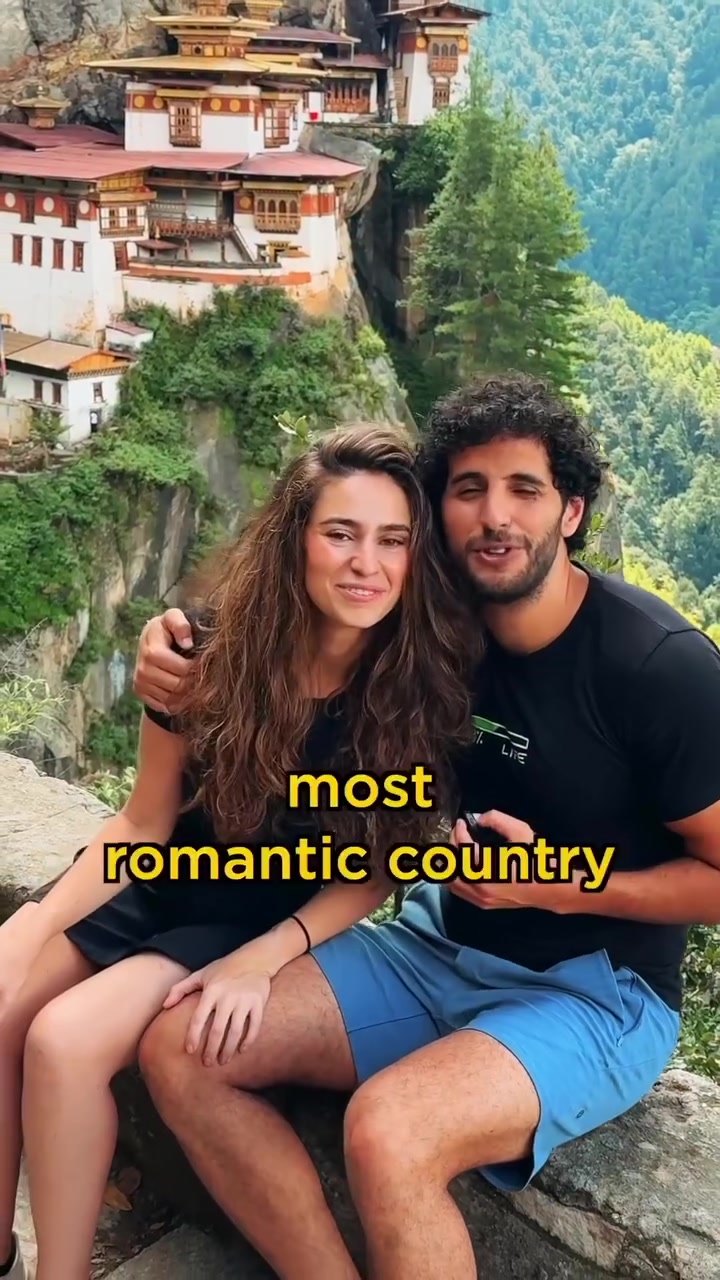
Bhutan, the world's last Shangri-La. Imagine a realm where nature reigns supreme, where traditional architecture is protected by law, and where the noise of traffic and the clutter of tourists are replaced by tranquil, undisturbed landscapes. This is Bhutan, a place so remote that only 150,000 visitors annually venture there, each embarking on a journey to the “most romantic country in the world.” The visitor won't find the typical trappings of modern life here; this idyllic kingdom deliberately safeguards its natural and cultural heritage.
A Kingdom of Tradition and Seclusion
Bhutan beguiled with its enforced tradition and exquisite isolation. The spectator discovers a world where every structure follows a designated aesthetic, where the old ways flow naturally into daily life. It’s a land with a tight hold on its past. Unlike other places where tradition is often rebranded and modernized, Bhutan presents a purer form, protected by law. The kingdom of Bhutan is where modernization is gentle, and the present is woven seamlessly into the tapestry of the past. The Kingdom has an unmistakable air around itself. There are no traffic lights anywhere, and you could walk in nature and not see a human for miles. This isn't a country of crowded streets or shopping malls; it's one that rewards patience and contemplation. Bhutan has a population of approximately 800,000 people, delicately balanced between tradition and modernity, where technology and infrastructure are carefully curated to support, rather than overwhelm, the harmony of nature and cultural heritage. It’s a place where the essence of life itself seems to slow down. While many countries around the globe compete for visitor numbers and economic growth, Bhutan maintains a strict cap on tourism to preserve its unique identity.
The Grand Romanticism of Bhutan
Any traveler seeking an escape from the common romance tropes of France and Italy should consider Bhutan, a world where solitude prevails over splendor. “It feels like you have the whole country for just the two of you,” says the video’s narrator. The kingdom is undoubtedly romantic. All the distractions of modern life are absent: no shopping malls, no crowded tourist spots, no nightlife, just the mountains, nature, and Buddhist monasteries. The emphasis is on simplicity, and that includes its approach to romance. Bhutan is a country that values the inherent beauty of objects that are genuinely old and unattainable. It’s an understated elegance, the kind that comes from truly cherishing the tangible. When it comes to romance in Bhutan, there is no concerted effort to recreate a polished image or an artfully curated experience. Nature alone provides the intimate setting. The outsider won’t find it advertised on billboards and poster boards. Instead, Bhutan’s romance is a subtle presence, seeping from the everyday moments. It exists not as a carefully orchestrated event but as a byproduct of the country’s intrinsic beauty.
The Capital Bhutanese Architecture
The laws of Bhutan necessitate that every structure built adheres to traditional styles, setting the country apart from most of the world. Bhutanese architecture is known for its unique blend of traditional and modern elements. The structures are designed to be space-efficient and functional. All of the buildings have traditional style by law. All one needs to do is to observe Bhutan’s traditional architecture. The structure is built to withstand seismic activity, with heavy wooden beams and timber used to reinforce the walls. In Bhutan, traditional Bhutanese architecture is often characterized by its simplicity, functionality, and use of natural materials. Bhutanese architecture also incorporates elements of Buddhist symbolism, such as prayer flags, mantras, and stupas. In Bhutan, it’s always been that way. In Bhutan, it has always been this way; for the uninitiated, it’s a trip back to time.
Bhutanese Culture
The core of Bhutanese culture is shaped by Buddhism. The Bhutanese people's everyday lives are deeply intertwined with Buddhist teachings and traditions. Instead of bustling cities and nightlife, Bhutan offers a peaceful and contemplative experience. Bhutan is a Buddhist kingdom, where the sights of the country that come to mind include prayer flags, prayer wheels, and Buddhist temples. The itinerary of a traveler often includes visits to sacred sites, monasteries, and temples. The traveler will likely come across the sights of prayer flags and prayer wheels. It is a country where Buddhist teachings are inculcated into the daily life. The traditional Bhutanese culture takes on vibrant colors during festivals. Bhutanese culture is alive and vibrant, with intricate dances, colorful costumes, and lively music. A visit to Bhutan is a journey into its rich cultural heritage, where the visitor is invited to partake in its traditions, rituals, and celebrations. In Bhutan, it is also a journey into the collective consciousness of the Bhutanese people.
Bhutan's Salvaged Past
In Bangladesh and beyond, Bhutan is known for its strict adherence to traditional architecture and its ability to preserve its way of life without compromising progress. Bhutan’s GNH (Gross National Happiness) model is central to its cultural preservation efforts and protects its environment. Bhutan’s approach to development emphasizes GNH, which prioritizes the well-being and happiness of its citizens. Bhutan has also banned the sale of tobacco products in an effort to promote a healthy lifestyle and reduce healthcare costs. Unlike other countries where tradition is often rebranded and modernized, Bhutan presents a purer form, protected by law. Bhutan uses green energy sources like hydroelectricity and aims to reduce its carbon footprint. Bhutan has also banned the sale of tobacco products in an effort to promote a healthy lifestyle and reduce healthcare costs.
Defining Your Himalayan Adventure
Envision a romantic escape unlike any other. The journey starts with a flight into Paro, Bhutan, a breathtaking approach between towering Himalayan peaks. From there, explore the capital, Thimphu, and its monasteries, forts, and markets. The traditional Bhutanese sport, archery, is a heritage that the couple learns. Even archery is a hobby. Unlike the generic and fast-paced travel destinations, Bhutan offers a sanctuary for those who seek a deep connection with nature and culture. For a meaningful escape:
- DO Plan for solitude: Bhutan’s isolation makes it perfect for intimate moments. Enjoy the solitude and romantic getaways.
- DO Embrace spontaneity: The unpredictable weather and stunning views may necessitate a change in plans. Pack layers and a raincoat, and be willing to go with the flow. Bhutan is a land where visitors must be prepared to adapt.
- DO Experience archery: The traditional Bhutanese sport is a unique hobby the couple tries. AVOID
- High-energy activities: Bhutan’s quiet charm is what makes it stand out. It’s the perfect place to reboot and unwind.
- Tight itineraries: Bhutan’s magic is best experienced at a leisurely pace. Leave room for spontaneous exploration. Bhutan isn’t just a place to visit; it’s an experience of a lifetime. For those looking for a romantic getaway, then Bhutan is the place. Visit Bhutan and discover a world where time moves slowly, and nature reigns supreme.
Questions readers ask
What makes Bhutan's approach to romance different from other romantic destinations like France or Italy?
Bhutan's romance is more subtle and natural. It doesn't rely on typical tourist attractions or polished images. Instead, it comes from the country's inherent beauty, like its mountains, nature, and Buddhist monasteries. The romance is in the everyday moments, not in orchestrated events.
What does the phrase ‘No traffic lights in Bhutan’ mean?
It’s a way to describe Bhutan’s deliberate resistance to modernization. The country has chosen to preserve its natural and cultural heritage and avoid the noise and clutter of modern life. It means Bhutan has a different pace of life, one that rewards patience and contemplation, rather than the hustle and bustle that’s typical in most modern cities.
How does Bhutan maintain its traditional architecture?
Every structure in Bhutan must adhere to traditional styles, as mandated by law. This ensures that modern developments don't disrupt the country's unique aesthetic. There’s a careful balance between tradition and modernity, with technology and infrastructure curated to support, rather than overwhelm, the harmony of nature and cultural heritage.
What's the visitor experience like in Bhutan?
Visitors to Bhutan experience solitude and tranquility. The absence of shopping malls, crowded tourist spots, and nightlife means that nature, mountains, and Buddhist monasteries dominate the landscape. It’s a place to escape from the distractions of modern life and enjoy a slower, more contemplative pace.
How does Bhutan control the number of tourists?
Bhutan maintains a strict cap on tourism to preserve its unique identity and cultural heritage. This ensures that the country doesn't become overwhelmed by tourist traffic and that its natural and cultural treasures remain untouched. The visitor count is deliberately kept low, with only 150,000 visitors annually.
What is the appeal of Bhutan for couples seeking a romantic getaway?
Bhutan offers a unique, unspoiled romantic setting where solitude and nature reign. There are no tourist traps or commercialized romance. Instead, the romance comes from the country’s natural beauty and everyday moments, providing a more authentic and meaningful experience for couples.
How is Bhutan's approach to modernization different from other countries?
Bhutan's modernization is gentle and carefully curated to support its natural and cultural heritage. Unlike other countries, where modernization often means rapid development and urbanization, Bhutan integrates technology and infrastructure in a way that preserves the harmony of nature and cultural heritage. This approach ensures that the country’s unique character remains intact.
Related deep dives
Similar reads based on topic and creator.


Recent articles
Fresh deep dives from the latest Reels we unpacked.




Comments
Be the first to comment.