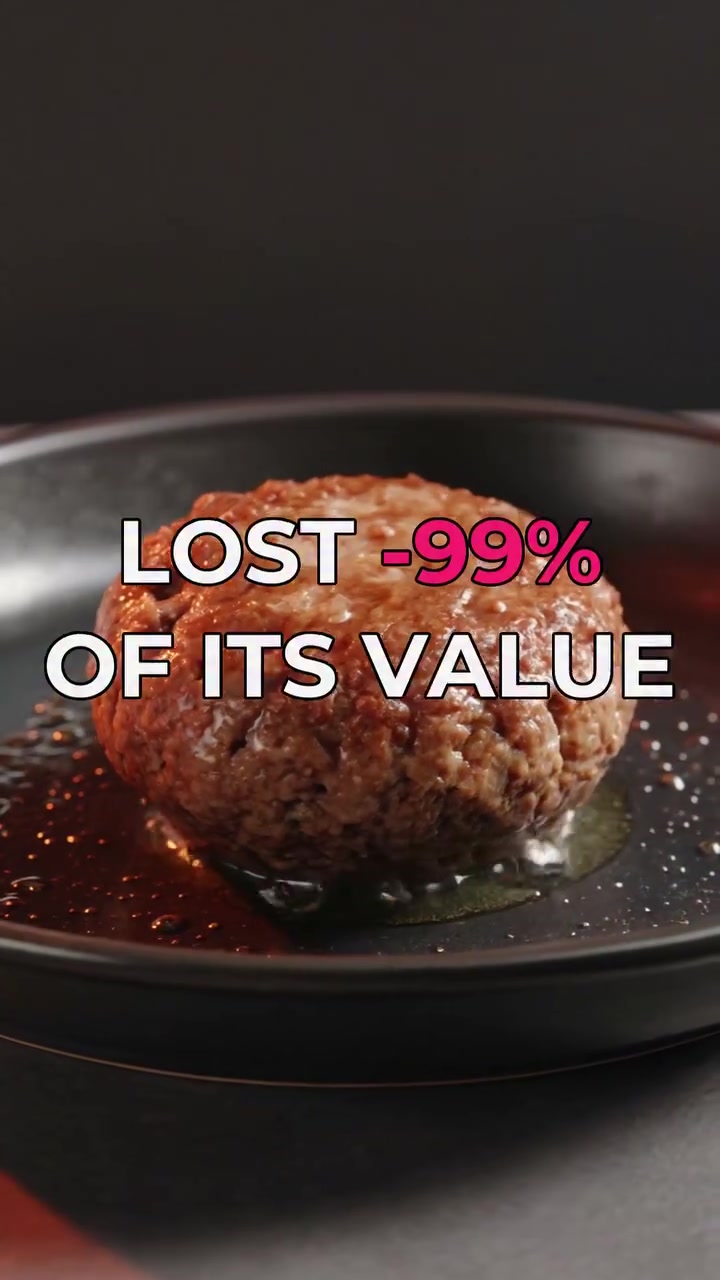
Beyond Meat, a company synonymous with the plant-based meat movement, has seen its value plummet. meat sales in the United States surged 5x in shops with one in five American households buying it. In 2019, the stock soared from $25 to over $200 in just three months, peaking at a $14 billion valuation. Investors and consumers alike were captivated by the promise of a meat alternative that could revolutionize the food industry. Fast forward to today, and the company is on a Nasdaq delisting warning. Sales fell roughly 10% last year, and the number of households buying plant-based meat has roughly halved since its peak. What went wrong?
The Rise and Fall of a Plant-Based Dream
Beyond Meat promised to revolutionize the food industry with plant-based meat alternatives that closely mimic the taste and texture of real meat. The company's success was driven by a surge in plant-based meat sales, which nearly quintupled in shops. The stock price skyrocketed from $25 to over $200 in a mere three months, reflecting a valuation of $14 billion. Investors and consumers were enthralled by the prospect of a meat alternative that could satisfy cravings while being more environmentally friendly. However, the novelty wore off quickly, and the company is now facing a significant decline in sales and market interest.
The Burden of Ultra-Processing
The meteoric rise of plant-based meats like Beyond Meat was short-lived. One 2023 study found that 88% of plant-based meat products fall into the most heavily processed food category. This is in stark contrast to real meat, which is roughly half as processed. Ingredients like protein isolates, methylcellulose, and refined oils are common in plant-based meats, making them far from the natural, minimally processed foods many consumers seek. The processing not only affects the nutritional value but also the taste and texture, which can be off-putting to many.
The Nutritional Trade-Off
The nutritional profile of plant-based meats versus real meat is another significant factor to consider. Real meat provides heme iron, which is absorbed more efficiently by the body than the iron found in plant-based alternatives. Meat is also a natural source of vitamin B12, complete proteins, and usable vitamin A, all of which are essential for human health. These nutrients are in forms that the body has evolved to absorb and utilize over hundreds of thousands of years. On the other hand, plant-based meats often require fortification and have ingredient lists that can be daunting. This, coupled with the novelty wearing off, has led many consumers to revert to real meat, as explained beautifully by a 2023 study.
The Heme Iron Advantage
One of the primary nutritional advantages of real meat over plant-based alternatives is its heme iron content. Heme iron is more bioavailable, meaning it is absorbed more efficiently by the body. This is crucial for maintaining healthy iron levels, which are essential for oxygen transport in the blood and overall energy levels. By “By contrast, the iron in plant-based foods is non-heme iron, which is less readily absorbed by the body, particularly in the presence of certain inhibitors like phytic acid.” The plant version struggles to match this efficiency, making real meat a more reliable source of this critical nutrient.
Ancestral Nutrition and Food Fortification
Real meat contains nutrients in forms that the human body has evolved to utilize effectively over centuries. These include heme iron, complete proteins, vitamin B12, and usable vitamin A. These nutrients are naturally present in meat, requiring no fortification or artificial additives. In contrast, plant-based meats often need to be fortified with these nutrients, which can alter their chemical composition and potentially reduce their nutritional value. The body has been finely tuned to absorb and utilize these nutrients from real meat, making it a superior choice for those seeking optimal nutrition.
Beyond Meat Alternatives
For those looking to reduce their meat consumption, but still want to explore meat alternatives, there are options that are less processed and more nutritious than Beyond Meat. Companies like Applegate and Field Roast offer products made from real, minimally processed ingredients. These brands focus on sustainable and ethical sourcing, making them a more appealing choice for health-conscious consumers. Additionally, many plant-based milks and dairy alternatives, while not perfect, are less processed and more natural than meat substitutes. Brands like Ripple Foods and Kite Hill offer examples of plant-based proteins that are minimally processed and nutritious.
No Ingredient List
The simplicity of real meat is one of its strongest selling points. Unlike plant-based alternatives, real meat does not come with a lengthy ingredient list. It is a whole, natural food that requires no processing or fortification. This simplicity makes it a more appealing choice for those seeking to avoid ultra-processed foods. The lack of an ingredient list also means that consumers can be more confident in the quality and purity of their food, knowing that it has not been altered or adulterated in any way.
Questions readers ask
Why did Beyond Meat's stock price drop so dramatically from its 2019 peak?
Beyond Meat's stock price plummeted over 90% from its 2019 high due to a combination of factors, including a decline in consumer interest, increased competition, and a shift in market dynamics. The company's sales fell roughly 10% last year, and the number of households buying plant-based meat has roughly halved since its peak, which significantly impacted its market valuation.
What makes plant-based meats like Beyond Meat heavily processed?
Plant-based meats often rely on heavily processed ingredients like protein isolates, methylcellulose, and refined oils to mimic the taste and texture of real meat. A 2023 study found that 88% of these products fall into the most heavily processed food category, which can affect their nutritional value, taste, and overall appeal to consumers.
How does the nutritional content of plant-based meats compare to real meat?
Real meat provides heme iron, which is more bioavailable than the non-heme iron found in plant-based alternatives. Additionally, real meat is a natural source of vitamin B12, complete proteins, and usable vitamin A, which are essential for human health. Plant-based meats often require fortification and have ingredient lists that can be daunting, leading many consumers to revert to real meat.
Can plant-based meats be part of a healthy diet?
While plant-based meats can be part of a healthy diet, they often lack the nutritional benefits of real meat, such as heme iron and complete proteins. The high level of processing in plant-based meats can also affect their nutritional value, making them less appealing to health-conscious consumers.
What does the future hold for Beyond Meat and the plant-based meat industry?
The future of Beyond Meat and the plant-based meat industry is uncertain. The company is currently on a Nasdaq delisting warning, and it faces significant challenges in regaining consumer interest and market share. However, the industry as a whole may continue to evolve, with new innovations and products that better address consumer concerns about processing and nutrition.
Related deep dives
Similar reads based on topic and creator.




Recent articles
Fresh deep dives from the latest Reels we unpacked.




Comments
Be the first to comment.