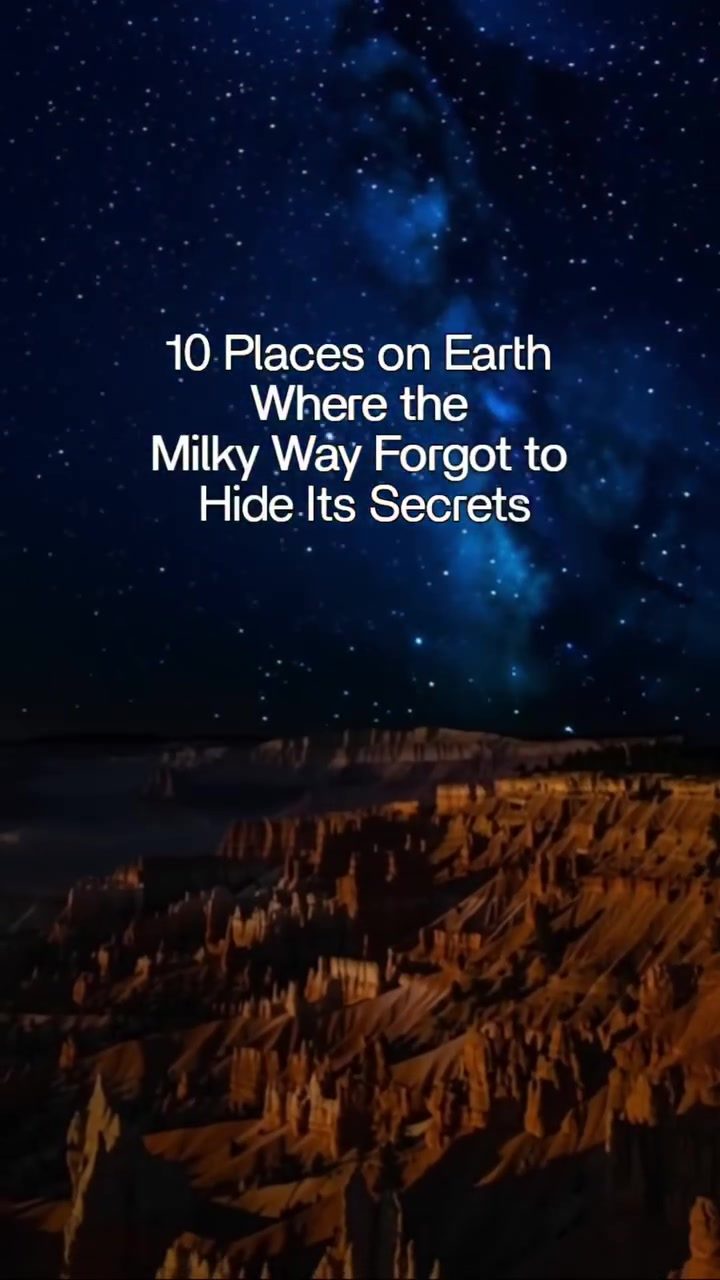
Discovering the Milky Way's Best Locations
The Milky Way is one of the most breathtaking sights in the night sky, and viewing it in all its glory requires the right conditions. Minimal light pollution and clear skies are crucial for an unforgettable experience. National parks, with their vast, open spaces and strict light pollution regulations, offer some of the best opportunities to witness this celestial spectacle. Let's explore some of the top national parks where the Milky Way is most visible.
Why This Matters
Understanding where to go for optimal Milky Way viewing is essential for both amateur astronomers and casual stargazers. Light pollution from urban areas can severely diminish the visibility of the Milky Way, making it nearly impossible to fully appreciate its beauty. National parks, with their remote locations and protective policies, provide an unparalleled environment for stargazing. These parks not only offer stunning views of the night sky but also serve as sanctuaries for nocturnal wildlife, ensuring a holistic experience of nature.
Top National Parks for Viewing the Milky Way
Big Bend National Park, Texas
Situated in the remote southwest corner of Texas, Big Bend National Park is a haven for stargazers. Known for its vast, untouched landscapes, the park is one of the largest protected areas in the United States, spanning over 800,000 acres. This expansive wilderness ensures minimal light pollution, making it an ideal spot for observing the Milky Way.
Big Bend's unique geography also plays a significant role in its stargazing potential. The park is surrounded by the stark beauty of the Chihuahuan Desert and the rugged Chisos Mountains, creating a dramatic backdrop for celestial viewing. Additionally, Big Bend hosts regular astronomy programs, often led by experienced rangers, who offer guided tours and insights into the night sky.
Joshua Tree National Park, California
Nestled in the Mojave and Colorado Deserts, Joshua Tree National Park in California is another prime location for viewing the Milky Way. The park's remote location and strict light pollution regulations create perfect conditions for stargazing. Joshua Tree is known for its distinct landscape, featuring massive boulders and unique Joshua trees that stand as silhouettes against the starry sky, enhancing the visual experience.
The park's clear skies and minimal atmospheric disturbances also make it an excellent spot for astrophotography. Visitors can capture stunning images of the Milky Way with the park's iconic rock formations and trees in the foreground. Joshua Tree National Park often hosts star parties and astronomy events, providing visitors with an opportunity to learn more about the night sky from local experts.
Crater Lake National Park, Oregon
Crater Lake National Park in Oregon is a geological marvel and a fantastic place to view the Milky Way. The park's namesake, Crater Lake, is the deepest lake in the United States, and its surrounding landscape is a mix of lush forests and volcanic peaks. These diverse landscapes provide a captivating backdrop for stargazing, and the high elevation of the park ensures clearer skies.
The absence of light pollution in Crater Lake National Park makes it an ideal spot for viewing the Milky Way. The lake's reflection of the night sky adds an ethereal element to the experience, creating a mirror-like effect that can be awe-inspiring. The park also offers guided night skywatches, where rangers share insights about the stars and constellations visible overhead.
Practical Tips for Viewing the Milky Way
Choosing the Right Time
The visibility of the Milky Way is best during the summer and fall months, particularly when the moon is in its crescent or new phase. These phases minimize lunar interference, making the Milky Way more visible. Additionally, the best time to view the Milky Way is usually between late evening and early morning, as the sky is darker, and the Milky Way is more prominent.
Essential Equipment
While the naked eye can offer a stunning view of the Milky Way, having the right equipment can enhance the experience. Binoculars or a telescope can provide a closer look at the stars and constellations within the Milky Way. For astrophotography enthusiasts, a camera with a wide-angle lens and a tripod is essential for capturing the night sky's beauty. Some parks also rent telescopes for visitors.
Best Practices
Before heading out to view the Milky Way, it's essential to check the weather forecast for clear skies. Additionally, dressing in layers and bringing warm clothing is crucial, as nights can be chilly, even in warmer climates. Finding a spot with a clear horizon, away from tall trees or buildings, can also enhance the viewing experience.
Important Takeaways
Viewing the Milky Way in national parks offers a unique and unforgettable experience. These protected areas provide the perfect conditions for stargazing, with minimal light pollution and clear skies. Whether you're an amateur astronomer or a casual stargazer, national parks like Big Bend, Joshua Tree, and Crater Lake offer some of the best locations to witness the Milky Way's stunning display. With the right timing, equipment, and preparation, you can fully appreciate the beauty of the night sky in these remarkable settings.
Conclusion
The Milky Way is a celestial wonder that captivates and inspires, and national parks offer some of the best places to view it. From the expansive landscapes of Big Bend National Park to the iconic desert scenery of Joshua Tree and the volcanic wonder of Crater Lake, these locations provide unparalleled opportunities for stargazing. By planning your visit during the optimal times and preparing with the right equipment, you can fully immerse yourself in the awe-inspiring beauty of the Milky Way.
Questions readers ask
What makes national parks ideal for viewing the Milky Way?
National parks are excellent for viewing the Milky Way due to their vast, open spaces and strict light pollution regulations. These conditions allow for clear, unobstructed views of the night sky, making them perfect for stargazing and capturing stunning photographs of the Milky Way.
Which national park in Texas is renowned for its Milky Way views?
Big Bend National Park in Texas is famous for its exceptional Milky Way views. The park's remote location and minimal light interference provide an outstanding setting for stargazers and photographers alike.
Can you recommend a top spot in California for seeing the Milky Way?
Joshua Tree National Park in California is an excellent choice for viewing the Milky Way. The park's clear skies and lack of light pollution create a stunning backdrop for observing the vibrant Milky Way.
What should I bring for a successful Milky Way photography experience in national parks?
To capture the best photos of the Milky Way, bring a tripod for stability, a camera with manual settings, a wide-angle lens, and a remote shutter release or self-timer. Additionally, dress warmly and bring a red light flashlight to preserve your night vision.
Are there specific times of the year when the Milky Way is most visible in national parks?
The Milky Way is best visible during the summer and early fall months, particularly around the new moon phase when the sky is darkest. During these times, the core of the Milky Way is most prominent, offering the clearest views and best photography opportunities.
What are dark sky parks and why are they important for stargazing?
Dark sky parks are designated areas that preserve the night sky by minimizing light pollution. They are crucial for stargazing because they provide optimal conditions for viewing celestial bodies like the Milky Way. These parks often host stargazing events and offer resources for visitors to learn more about astronomy.
How can I find the best spots for Milky Way viewing within a national park?
To locate the best spots for viewing the Milky Way, research the park's designated stargazing areas or consult park maps for open spaces away from developed areas. Rangers or park visitor centers can also provide tips on the best viewing locations, and joining guided stargazing tours can enhance your night sky experience.
Related deep dives
Similar reads based on topic and creator.


Recent articles
Fresh deep dives from the latest Reels we unpacked.


Comments
Be the first to comment.