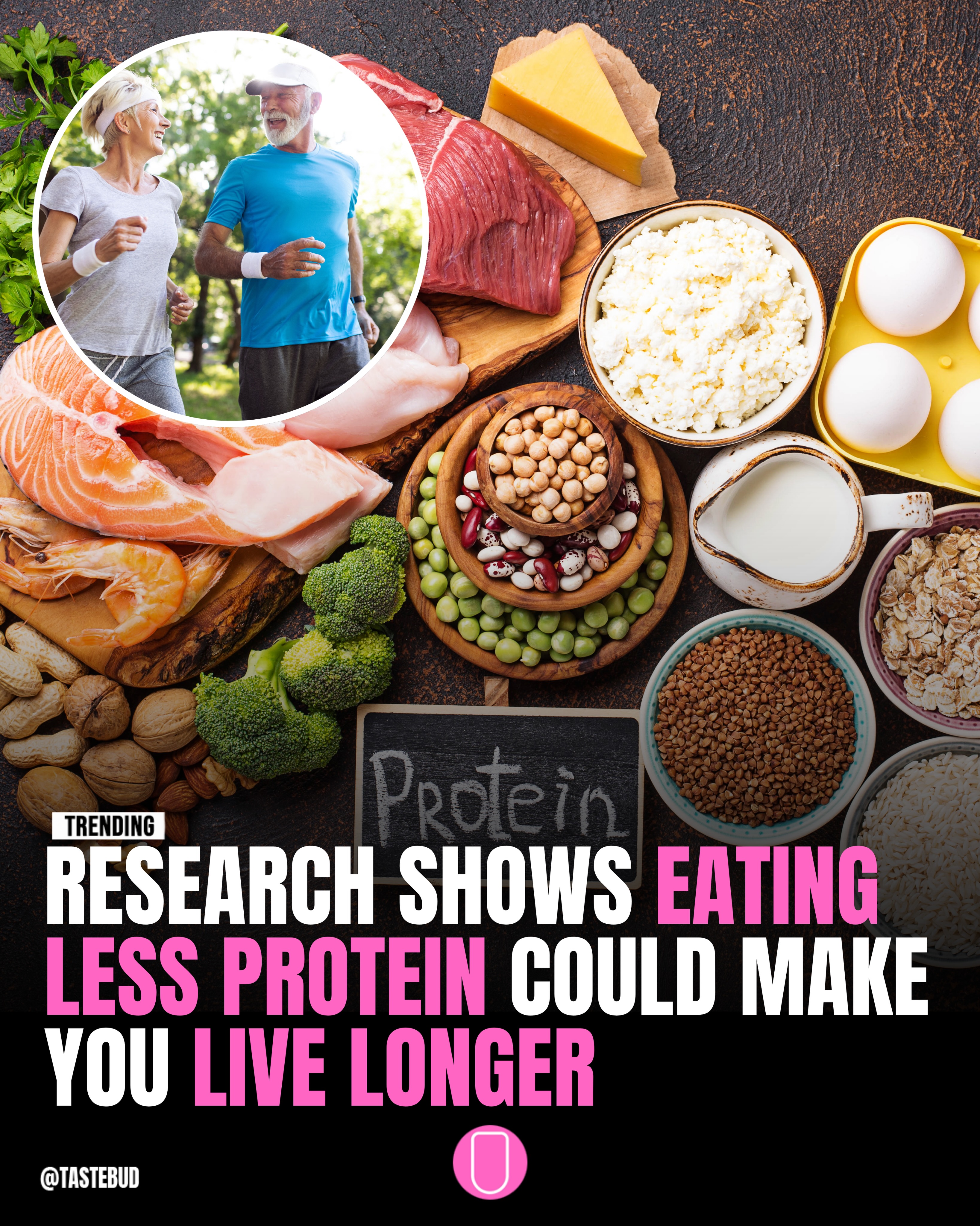
Protein is a critical part of any diet, especially for those who are physically active. However, recent research has started to challenge the notion that more protein is always better. This shift in perspective is especially relevant for less active individuals, who may benefit from adjusting their protein intake to support a longer, healthier life.
Why this matters
There's no denying that protein is essential for maintaining muscle mass, aiding in recovery, and supporting overall health. However, the growing body of evidence suggests that consuming more protein than necessary can have adverse effects, especially for those with sedentary lifestyles. Understanding how to optimize protein intake based on activity levels and individual needs is crucial for anyone looking to improve their health and well-being.
Protein and Longevity: What the Research Shows
New research has started to push back against the trend of "protein maxxing," where individuals focus on consuming as much protein as possible. A major scientific review, analyzing hundreds of studies, suggests that for less active individuals, eating less protein may actually support a longer lifespan and better overall health.
The Role of Protein in the Body
Protein plays a vital role in muscle growth and recovery, making it a staple in the diets of athletes and fitness enthusiasts. However, it's also essential for various bodily functions, including the production of enzymes, hormones, and antibodies. While protein is indeed necessary, the amount needed varies greatly depending on an individual's activity level and overall health.
How Excess Protein Affects the Body
Excess protein intake in sedentary individuals can lead to cellular stress and metabolic strain over time. This occurs because the body has to work harder to break down and process the excess protein, which can lead to increased inflammation and strain on the kidneys and liver.
The Benefits of Moderate Protein Intake
Researchers have found that lowering protein intake can activate certain processes in the body linked to reduced inflammation and improved metabolic function. This is particularly beneficial for those who are less active, as it helps to balance out the potential negative effects of a sedentary lifestyle.
High-Protein Foods and Their Benefits
While reducing protein intake can have positive effects, it's essential to choose the right sources of protein. Foods such as salmon, broccoli, cottage cheese, nuts, and eggs are excellent sources of protein that also provide a range of other nutrients. These foods can help support overall health and well-being, even when consumed in moderate amounts.
The Importance of Balancing Protein Intake
The takeaway from this research isn't to avoid protein altogether; rather, it's that more isn't always better. Balancing protein intake based on individual needs and activity levels is key to optimizing health and longevity. For those who are less active, focusing on a moderate protein intake can help support a longer, healthier lifespan.
Practical Tips for Optimizing Your Protein Intake
Assess Your Activity Level
The first step in optimizing your protein intake is to assess your activity level. If you're less active, you may not need as much protein as someone who is highly active or involved in intense training.
Choose High-Quality Protein Sources
When selecting protein sources, opt for high-quality options that provide a range of other nutrients. Foods like salmon, broccoli, cottage cheese, nuts, and eggs are excellent choices that can support overall health.
Monitor Your Intake
Pay attention to how much protein you're consuming and adjust as needed. Listen to your body and consider consulting with a healthcare professional or nutritionist to determine the optimal amount of protein for your needs.
Incorporate Variety
Don't rely on a single source of protein. Incorporating a variety of protein-rich foods into your diet can help ensure you're getting a broad range of nutrients.
Important Takeaways
Recent research suggests that for less active individuals, consuming less protein may support a longer lifespan and better overall health. While protein is essential for muscle growth and recovery, excess intake can lead to cellular stress and metabolic strain. Moderating protein intake and choosing high-quality sources can help optimize health and well-being, regardless of activity level.
Conclusion
Understanding the benefits and potential drawbacks of protein intake is crucial for anyone looking to improve their health and longevity. For less active individuals, balancing protein consumption and focusing on high-quality sources can have a significant positive impact on overall well-being. By making informed choices about protein intake, it's possible to support a longer, healthier life.
Questions readers ask
How does protein intake impact lifespan, especially for less active individuals?
For those with sedentary lifestyles, consuming excessive protein can lead to increased levels of the hormone IGF-1, which has been linked to accelerated aging and a higher risk of age-related diseases. Therefore, reducing protein intake may support a longer, healthier life by mitigating these effects.
What are some benefits of a low protein diet?
A low protein diet can promote longevity by reducing the risk of age-related diseases, improving metabolic health, and supporting a healthier lifespan. It also encourages the body to rely on stored fat for energy, enhancing overall metabolic efficiency.
How much protein should I consume to support a longer lifespan?
The optimal protein intake varies based on factors such as age, sex, and activity level. However, recent studies suggest that less active individuals may benefit from consuming around 0.8 to 1.0 grams of protein per kilogram of body weight per day, rather than the higher amounts often recommended.
Does reducing protein intake affect muscle mass?
While protein is essential for maintaining muscle mass, reducing intake does not necessarily lead to muscle loss, especially for less active individuals. Engaging in regular strength training and consuming adequate calories can help preserve muscle mass even with a reduced protein intake.
What are the potential risks of consuming too much protein, particularly for older adults?
Excessive protein consumption in older adults can lead to increased IGF-1 levels, which may accelerate aging and increase the risk of age-related diseases. Additionally, high protein intake can put unnecessary strain on the kidneys and lead to dehydration. It's essential to balance protein intake based on individual needs and activity levels.
Can adjusting protein intake help with metabolic health?
Yes, adjusting protein intake can significantly impact metabolic health. By reducing protein consumption, the body may become more efficient at using stored fat for energy, leading to improved metabolic function and overall health.
How does protein consumption affect aging processes in the body?
High protein intake can increase IGF-1 levels, which have been associated with accelerated aging and a higher risk of age-related diseases. By reducing protein consumption, particularly for less active individuals, it is possible to slow down these aging processes and support a longer, healthier life.
Related deep dives
Similar reads based on topic and creator.

Recent articles
Fresh deep dives from the latest Reels we unpacked.




Comments
Be the first to comment.