Kindness in Belgium
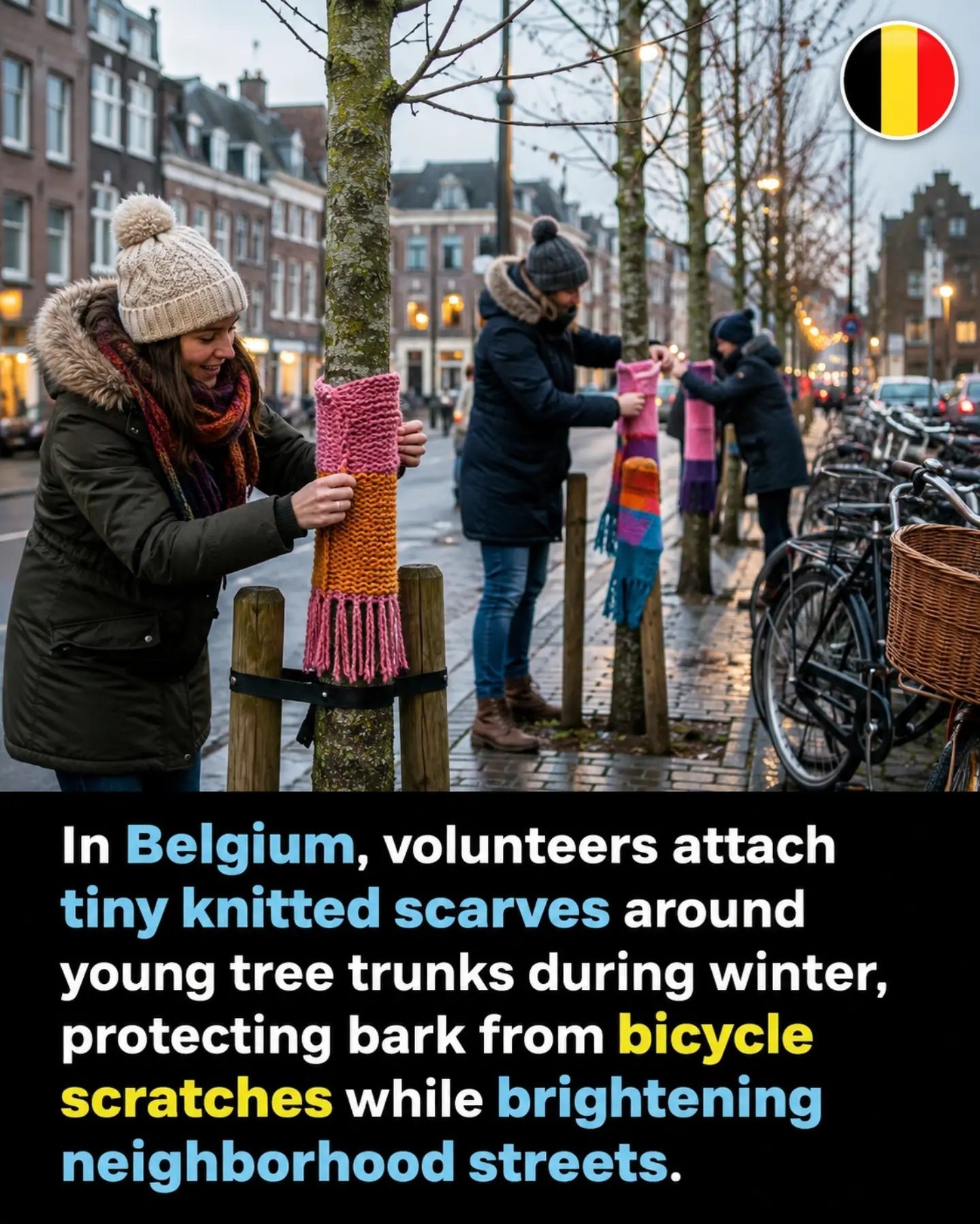
Volunteers in Belgium have found a unique and heartwarming way to protect young trees and bring a touch of color to their neighborhoods during the winter months. By knitting and attaching tiny scarves around the trunks of young trees, these volunteers are not only safeguarding the trees from bicycle scratches but also adding a festive and uplifting element to their community.
Why this matters
In urban and suburban areas, trees often face threats such as pollution, vandalism, and physical damage from daily activities. In cities like Brussels, where cycling is a popular mode of transportation, bicycle scratches are a common issue. By addressing this specific problem with a creative and practical solution, the volunteers are setting a wonderful example of community care and environmental stewardship. Their initiative highlights the power of collective action and innovation in addressing local challenges.
Main discussion
The concept of tree scarves
The concept of knitting scarves for trees might seem unconventional, but it serves a practical purpose. These scarves are designed to protect the delicate bark of young trees from the abrasive impact of bicycles. By wrapping the trunks in colorful, knitted fabric, volunteers create a protective barrier that prevents damage, ensuring the trees can grow healthy and strong.
The community impact
The initiative extends beyond environmental protection; it also brings a sense of joy and warmth to the neighborhood. During the cold, gray winter months, the vibrant colors of the scarves add a visual appeal to the streets. This simple act of kindness not only brightens up the environment but also fosters a sense of community spirit. Residents and passersby can't help but notice the thoughtfulness and care put into this project, which likely inspires others to contribute in their own ways.
The process of creating and attaching the scarves
Creating these tree scarves involves several steps. Volunteers first knit the scarves, typically using colorful yarns to make them stand out. Once the scarves are ready, they are carefully wrapped around the trunks of young trees. The process requires attention to detail to ensure the scarves are secure and do not cause any harm to the trees. The volunteers' dedication to this task is evident in the careful placement and the overall aesthetic appeal of the scarves.
The role of volunteers
The success of this initiative is largely due to the efforts of volunteers. Their commitment and creativity are the driving force behind the project. By taking the time to knit and attach the scarves, these volunteers demonstrate a strong sense of community responsibility and environmental awareness. Their actions serve as a reminder that even small acts of kindness can make a significant difference in the community.
Practical tips
If you are inspired by this initiative and want to start a similar project in your neighborhood, here are some practical tips to get you started:
Gather materials
Begin by gathering the necessary materials. You will need knitting yarn in various colors, knitting needles, and possibly some scissors for trimming any excess yarn. Depending on your skill level, you may also need knitting patterns or tutorials to help you create the scarves.
Engage the community
Reach out to your neighbors, local community groups, and schools to invite volunteers. The more people involved, the more impactful the project will be. You can organize knitting workshops or gatherings where people can come together to create the scarves.
Choose the right trees
When selecting trees for this initiative, focus on younger trees that are more susceptible to damage. Look for trees in high-traffic areas, such as near bike paths or in parks, where the protective scarves will be most beneficial. Make sure the trees are healthy and can benefit from the protection.
Attach the scarves securely
Wrapping the scarves around the trunks should be done carefully to ensure they remain secure and do not cause any harm. Use non-damaging materials to tie the scarves in place. The scarves should be tight enough to stay on without causing any constriction or damage to the tree.
Promote the initiative
Spread the word about your initiative through social media, local newspapers, and community boards. Share photos and stories of the volunteers and the beautiful results of their work. This will not only inspire others to participate but also highlight the positive impact of community-driven projects.
Important takeaways
Through this initiative, we see the power of community action and creativity in addressing local challenges. The tree scarves in Belgium are a testament to the positive impact that can be achieved when community members come together for a common cause. Key takeaways from this initiative include:
- Small acts of kindness can have a significant impact on the community.
- Creative solutions can address practical problems and enhance the environment.
- Community engagement and volunteerism are crucial for successful initiatives.
- Protecting the environment often requires innovative and practical approaches.
Conclusion
The initiative of attaching knitted scarves around young tree trunks in Belgium is a wonderful example of how creativity, community spirit, and practical solutions can combine to address local challenges. The scarves not only protect the trees but also add a festive touch to the neighborhood, making it a more pleasant and inviting place to live. If you are inspired by this initiative, consider starting a similar project in your community. With a little effort and creativity, you too can make a positive difference in your neighborhood.
Questions readers ask
Who initiated the idea of knitting scarves for trees in Belgium?
The initiative of knitting scarves for trees in Belgium was started by volunteers who wanted to protect young trees and add a festive touch to their urban environment. The exact originator of the idea is not specified, but it has gained traction as a community-driven project.
What materials are typically used for these tree scarves?
The tree scarves are typically made from yarn, which is knitted into colorful, festive designs. The volunteers choose materials that are durable and weather-resistant to ensure the scarves can withstand the winter conditions and provide adequate protection to the trees.
How do the knitted scarves help the young trees?
The knitted scarves provide a protective layer around the tree trunks, shielding them from potential damage such as bicycle scratches. This protection is particularly important for young trees, which have tender bark that is more susceptible to injury. Additionally, the vibrant colors of the scarves add a touch of warmth and beauty to the urban landscape.
What other benefits do these tree scarves bring to the community?
Beyond protecting the trees, the knitted scarves foster a sense of community and collective care. The act of knitting and decorating the trees encourages residents to engage with their local environment, promoting a shared responsibility for urban greening and beautification.
Are there any similar initiatives in other parts of the world?
Yes, similar initiatives have emerged in other countries where communities have found creative ways to protect and beautify their urban trees. These initiatives often involve knitted or crocheted covers that offer both functional protection and aesthetic enhancement, much like the tree scarves in Belgium.
How can I get involved in this initiative if I live in Belgium?
If you live in Belgium and are interested in getting involved, you can reach out to local community groups or environmental organizations that might be coordinating these efforts. Many volunteers knit the scarves at home and then attach them to the trees in public spaces. Local authorities or community centers can also provide information on how to participate.
Related deep dives
Similar reads based on topic and creator.



Recent articles
Fresh deep dives from the latest Reels we unpacked.



Comments
Be the first to comment.