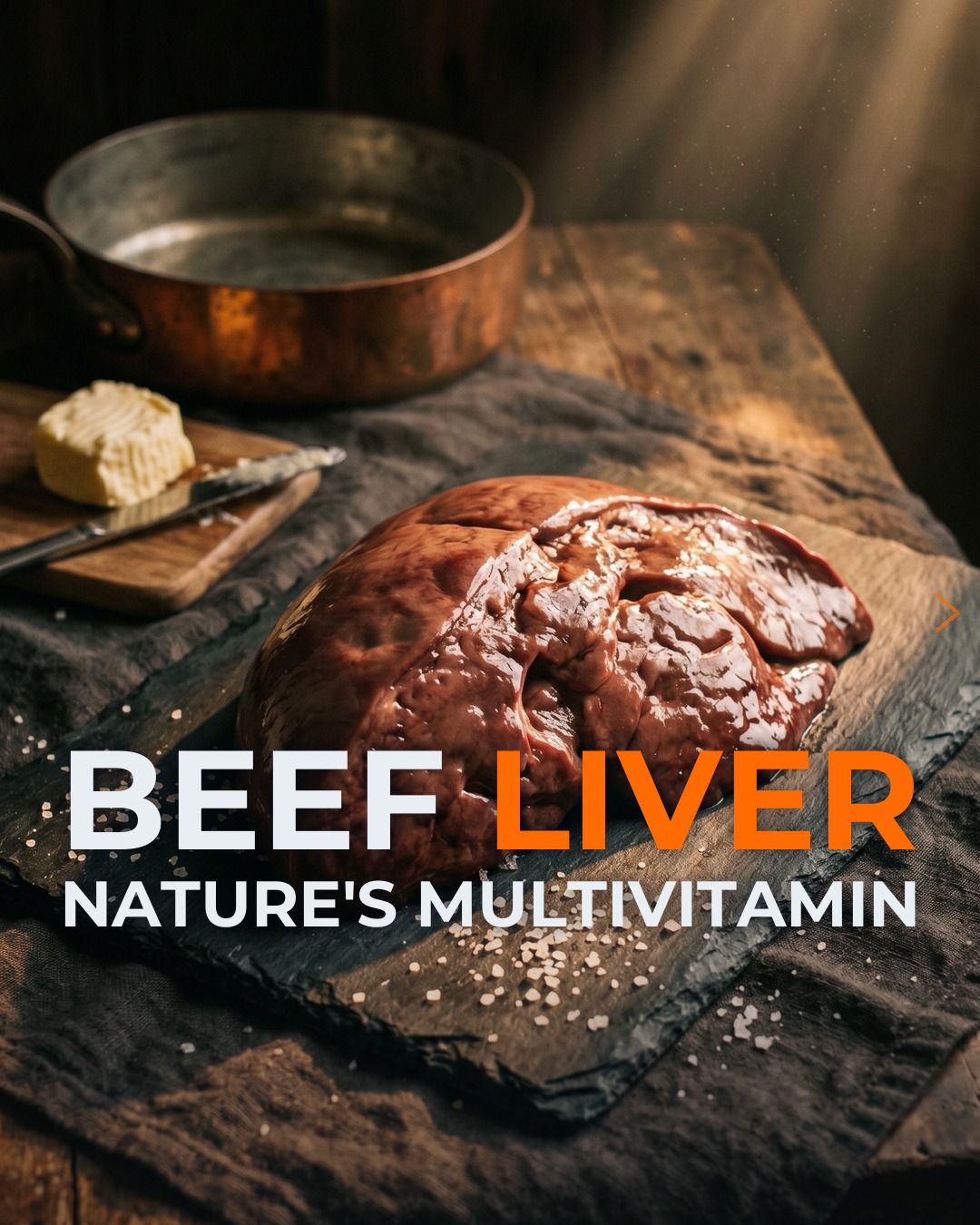
Beef liver is a powerhouse of nutrition, yet it's largely overlooked in modern diets. Gram for gram, it delivers over 1,000% of daily vitamin B12, along with a rich dose of iron and vitamins.
Nature's Multivitamin
Beef liver packs an impressive nutritional punch. A single 100-gram serving offers over 1,000% of the recommended daily intake of vitamin B12. This makes it one of the richest natural sources of retinol, the form of vitamin A that the body uses directly. Heme iron, folate, copper and choline are also abundant. In ancestral diets, organs like the liver were considered the most valuable part of the animal. But today, people often avoid it, leading to a nutrient gap.
The Rise of Organ Rejection
Western diets have shifted from the ancestral "nose-to-tail" approach, where every part of an animal was consumed. This change has contributed to a decline in organ meat consumption, leading to potential nutrient deficiencies. The focus on lean proteins has also diminished interest in beef liver. Lost in this trend is the traditional knowledge that organs are nutrient-dense.
The Nutrient Powerhouse
The body uses the multi forms of vitamin A in beef liver, B vitamins, and iron. This high nutrient density makes beef liver particularly beneficial for maintaining eye health and boosting energy levels. The ready-to-use form of vitamin A supports skin health, while iron aids in oxygen transport in the blood.
Vitamin A and Iron
The liver contains high levels of pre-formed vitamin A. An older comment said it's essential to note that people typically only need a portion or two a week, not daily, due to its richness. This red meat has a high bioavailable heme iron, which the body absorbs more easily than plant-based iron.
Absorption and Availability of Nutrients
Cooking beef liver makes it more accessible. For instance, raw beef liver pairs well with butter and salt, enhancing flavor and making it a more palatable option. Grilled beef liver over a pan, garnished with seasonings, is a popular pick. This enhances the ready-to-use vitamin A.
Historical Perspective
Historically, beef liver was eaten more frequently. Cultural shifts have led to a decrease in its consumption, but revisiting this practice could help address modern nutrient deficiencies.
Cooking Up Nutrition
The best way to enjoy beef liver is to blend it into mincemeat or pan-sear it with onions. While fresh, grass-fed liver from a butcher offers optimal quality, desiccated beef organ capsules provide a convenient alternative, especially for those averse to the taste. For those who cannot stomach the idea of beef liver, it presents a practical avenue to gain these nutrients. This makes capsules a workable alternative.
Planning Your Butcher Run
For those eager to integrate beef liver into their diets, planning a butcher run is the way to go. Fresh, grass-fed liver from a local butcher offers the best nutritional profile. To enhance the flavor further, butter and salt are recommended. An occasional 'tasting test' is also encouraged. Grass-fed liver is particularly praised, which is worth noting. If you are pregnant or managing a medical condition, it is best to consult a GP before making it a regular.
Choose the Right Cut
Master your butcher's knowledge to secure a high-quality cut. Freshness, and a vivid color. This indicates how nutrient-dense the beef liver is. Consider grilling or mince meat for the best experience. Gritty liver pieces spoil the taste experience. Grass-fed liver, best for quality, balances the liver's fat content. Whether it's minced or sautéed, always cook well.
The Nutrient-dense Experience
Where beef liver stands above supplements is the richness. Blending it into mincemeat ensures one's daily iron and vitamin A needs are met. By incorporating liver into recipes such as stir-fries and stews, one can enjoy a nutrient boost. Due to its unique nutritional profile, one can avoid deficiency in vital nutrients. For those who avoid organs, capsules like Heart & Soil Beef Organs, offer a viable alternative to supplements. The best way to incorporate beef liver into your diet is by blending it or cooking it. This makes it versatile and accessible for any diet.
Questions readers ask
What makes beef liver such a nutritional powerhouse?
Beef liver is incredibly nutrient-dense. It delivers over 1,000% of the recommended daily intake of vitamin B12, along with high levels of pre-formed vitamin A, heme iron, folate, copper, and choline. This rich nutritional profile makes it a superfood that can help fill nutrient gaps in modern diets.
How does the consumption of beef liver compare to eating other types of meat?
Beef liver is different from muscle meats because it's an organ meat. Unlike lean proteins, beef liver is rich in vitamins and minerals, especially vitamin A and iron, which are essential for various bodily functions like maintaining eye health, boosting energy levels, and supporting skin health. It also contains heme iron, which is more bioavailable than the iron found in plant-based foods.
What are some practical ways to incorporate beef liver into my diet?
There are several ways to enjoy beef liver. You can blend it into mincemeat, pan-sear it with onions, or even mix it with butter and salt. If you're not a fan of the taste, desiccated beef organ capsules offer a convenient alternative. Fresh, grass-fed liver from a local butcher is recommended for the best nutritional profile.
How often should I eat beef liver to get the benefits without overdoing it?
Due to its high nutrient density, you typically only need to consume beef liver once or twice a week. This ensures you get the benefits without overloading on certain nutrients. It's also important to note that cooking beef liver makes it more accessible and palatable, enhancing the ready-to-use vitamin A.
Can beef liver be a good source of nutrition for people with dietary restrictions?
Yes, beef liver can be a valuable addition to many diets, including those with dietary restrictions. For vegetarians or vegans, the use of capsules may be a more practical option. It's important to note that if you are pregnant or managing a medical condition, it's best to consult with a healthcare provider before making significant changes to your diet. This ensures that you're getting the right nutrients in the right amounts.
What are the benefits of grass-fed beef liver compared to conventionally raised beef liver?
Grass-fed beef liver is generally considered to have a better nutritional profile. It tends to be leaner and richer in certain nutrients like omega-3 fatty acids and antioxidants. Grass-fed animals often have a more varied diet, which can translate to a more nutrient-dense liver.
How does the nutrient absorption from beef liver compare to supplements?
The nutrients in beef liver are highly bioavailable, meaning your body can easily absorb and use them. For instance, the heme iron in beef liver is more readily absorbed than the iron found in plant-based foods or supplements. Additionally, the vitamin A in beef liver is in a ready-to-use form, which your body can utilize directly, making it a more efficient way to get these nutrients compared to supplements.
Related deep dives
Similar reads based on topic and creator.




Recent articles
Fresh deep dives from the latest Reels we unpacked.



Comments
Be the first to comment.