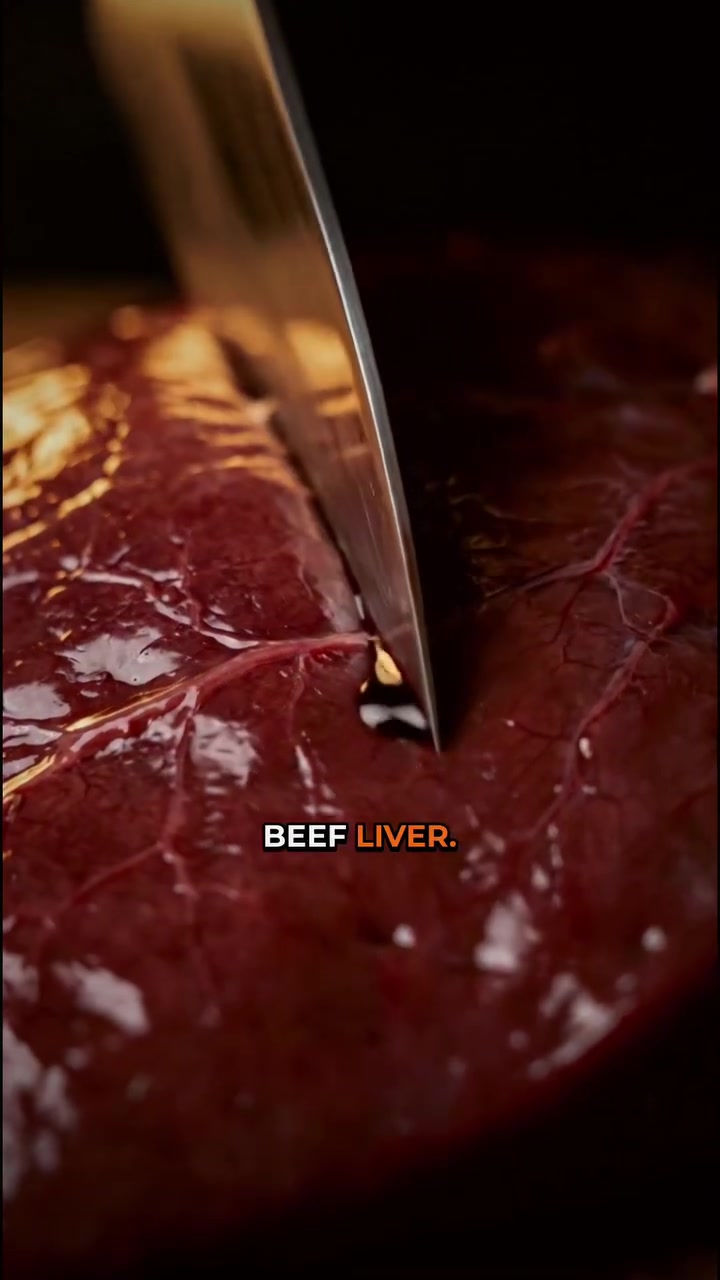
Beef liver: a cut of meat that's more than seven times cheaper than steak, with a thousand times the vitamin A, and yet we toss it in the trash. We've paid for the wrong cut — or at least, that's what the advocates are saying. "You were told carrots," one narrator asserts. On the surface, it sounds like a simple debate of value versus superstition. But there's more to the story — a tale of nutrition, perception, and the role of the NHS. And it's a tale that starts much deeper than "you've been lied to".
The Powerhouse Cut
Nutritionists have tried to convince people of the power of beef liver for decades. Whether or not it works is subjective, but there's no denying that beef liver is a nutritional powerhouse. For a mere £3.50 per kilo, a 100-gram serving of beef liver delivers over three weeks' supply of vitamin B12, a week's worth of copper, and more folate than a serving of spinach. And that's just the beginning. Of course, it's the real vitamin it's most famous for. Beef liver contains readily useable retinol, a form of vitamin A your body can use instantly. While we're typically told that carrots, which contain beta-carotene, are the heavyweights of vitamin A, our bodies need to convert the beta-carotene into retinol. Some people are better converters than others, but half of adults in the United States alone aren't able to convert beta-carotene well, according to identified studies. The NHS has started to catch up with this realization. For most of its history, it had recommended that people eat liver no more than once a week. And, while they still stick to that rule, they've decided to make it more of a guideline than a hard-and-fast rule. And yes, the NHS does still stand by its stance on pregnant women: Liver and pâté are best avoided. But most adults should be safe to eat beef liver as often as every day.
Medical Advice versus Western Culture
So, with all the vitamins, all the nutrients, and — critically — all the price savings, why are we still paying for the wrong cut? It's the meat's reputation. We've been told for all our lives that liver is toxic, and it's pretty hard to unlearn that. It doesn't help that even our governing bodies used to echo this rhetoric. Doctors have cautioned away from liver, but it was all based on cancer studies from the 1970s. The studies were eventually called into question, but the damage had already been done. More specifically, eating liver (in particular) was linked to high blood pressure and various cancers until closer reviews of the studies in question revealed that the problems in question weren't actually from the meat; they were from the diets and habits of the people in the studies. The toxic label has stuck. Natural health practitioners have begun calling it the "forgotten superfood". It's cheaper for sellers to market steak over liver, so they have stuck to that, and lack of demand makes it less likely that stores will stock it, even at higher margins. But it hasn't stopped liver from becoming a cult favorite. It's sold in higher-end burger chains that lean on gourmet toppings and demystifying meat cuts and occasionally on the menus of the kinds of places where you'd expect something more esoteric than a steakhouse.
The Royal Reporter
Beef liver is not the kind of meat people buy for themselves. But that’s becoming less true. One key part of the equation has been a dogged strain of health consciousness that has risen in recent years, particularly in the British Isles. The NHS: the main provider of healthcare in the United Kingdom, has been vocal about liver and its advantages. But what makes the situation more unusual is that the NHS has historically avoided promoting specific foods. The body has been content with promoting a general diet far beyond the specifics of any one food. For example, the NHS has been measured and cautious in its recommendations about the health benefits of fruits and vegetables. They've never heavily emphasized one fruit or vegetable. That is, until beef liver. Suddenly, we are living in a time where the NHS is recommending beef liver. They've always been cautious and particular about their recommendations. But the NHS's 2019 research revealed that over 45% of the British population didn't have enough vitamin A in their diets. They couldn't simply recommend more carrots; they needed to be more concrete. And, as has been their motto ever since, "Better safe than sorry." The NHS now recommends eating beef liver once a week. No more.
The Simple Science of Beef Liver
There's a reason people are simultaneously so hesitant to eat beef liver, and so dogmatic about its virtues once they do: it's delicious. Beef liver is often consumed lean. The cuts are often trimmed, but it is intensely flavorful. It's been recommended to use it in stews, to sauté it or pan-fry — even to turn it into pâté. It works especially well with a crispy bite on the outside. That's a clear, and crucial, element of how beef liver is prepared. But it's also one of the reasons why it was mistreated over the past few decades. During that time of its relative obscurity, our diet as people has leaned increasingly toward convenience. It's easy to cook a steak. The preparation of beef liver, however, takes patience. For a good sear, it should be cooked quickly, over a hot flame, and then allowed to rest. The idea is to cook it just enough so that it's tender, but not cooked through until it's tough. The NHS stopped short of recommending it for people who are pregnant or breastfeeding. But even that's not particularly surprising: while beef liver is nothing like a raw liver and is, in fact, considered safe to eat every day, the NHS's recommendation is utterly clear. The NHS's guidelines are famous for being strict and unyielding. But it's not a problem of taste — it's a problem of habit. "It's a hard sell," one chef remarked. "It's a hard sell, but it's worth it. Once they taste it, they're hooked. It's just a matter of getting the taste to them the first time."
Trimming The Fat
Beef liver is best cooked fresh. Fresh liver has a reddish color and a snappy texture. But liver that has started to age may turn brown and absorb flavors from the environment it's stored in, according to the USDA. Liver is a porous cut of meat, which means that it's highly susceptible to absorbing whatever flavors it comes into contact with. It's always best to cook it within a few days of purchase. Typically, a little sunlight and air are all it takes to keep the liver fresh enough. Some expert sources have suggested keeping it in a vacuum-sealed package, but there's no need to go out of your way. Beef liver can be trimmed, of course, but the richest flavors are always found in the fattier part, near the center. If you trim too much, you're losing out on the parts of the liver that are the most nutrient-dense, and the most flavorful.
The Liver That’s Best for You
If you want to try cooking with beef liver for yourself, you've got plenty of options. It's sold in most health food stores and in some groceries, particularly those that cater to specific diets. Once you've got the cut for you, you can go to work. Beef liver is a versatile cut of meat, but it retains the most flavor when it's cooked quickly over high heat. The NHS advises sautéing your liver over a hot pan, but you can also sear, pan-fry, or broil it in the oven.
Liver to Your Plate
Get the Liver: You’ll often find beef liver in the frozen section, but fresh is best. If you’re buying fresh, look for a reddish color and a snappy texture. If yours is brown, your liver is already starting to rot. Prepare the Liver: Once you have the beef liver, simply rinse it under cool water, and pat it dry with a paper towel. You want to take care of the fatted edges and, if you’re lucky, the gizzards, of course, but beyond that, it’s your call. Cook the Liver: Place your liver in a dry, hot pan, and cook quickly over high heat, to a cooking done temperature of 145 degrees Fahrenheit. What makes the NHS recommendation so powerful, however, is its non-committal attitude. Rather than pressuring you to buy liver once a week, the NHS has decided to give you the freedom to eat it as often as you'd like. Try beef liver at least a few times a month, and see how you like it. Once all the vitamins, folates, and more have hit your system, you’ll forget all about the health benefits.
Questions readers ask
What makes beef liver a nutritional powerhouse?
Beef liver is packed with essential nutrients. A 100-gram serving provides over three weeks' worth of vitamin B12, a week's worth of copper, and more folate than a serving of spinach. It's also rich in readily usable retinol, a form of vitamin A, which is more bioavailable than the beta-carotene found in carrots.
Why is beef liver so affordable compared to other cuts of meat?
Beef liver is significantly cheaper, at around £3.50 per kilo, because it is often overlooked and less in demand. This makes it a cost-effective option for those looking to boost their nutrient intake without breaking the bank.
How often can I safely eat beef liver?
The NHS now considers eating beef liver more of a guideline than a strict rule, suggesting that most adults can safely eat it as often as every day. However, pregnant women are still advised to avoid liver and pâté.
What are the main differences between the vitamin A in beef liver and the vitamin A in carrots?
Beef liver contains retinol, a form of vitamin A that your body can use directly. Carrots, on the other hand, contain beta-carotene, which the body needs to convert into retinol. This conversion process varies in efficiency among individuals, making beef liver a more reliable source of vitamin A for many people.
What is the reason behind the negative reputation of beef liver?
The negative reputation of beef liver stems from outdated medical advice and studies from the 1970s that linked liver consumption to health issues like high blood pressure and cancer. These studies have since been called into question, but the stigma persists.
Can beef liver be found in high-end restaurants?
Yes, beef liver has gained popularity in higher-end burger chains and specialty restaurants. These establishments often feature gourmet toppings and demystify lesser-known meat cuts, making beef liver a more appealing option for adventurous diners.
What are the nutritional benefits of the vitamin B12 in beef liver?
Vitamin B12, found abundantly in beef liver, is essential for various bodily functions, including the production of red blood cells, DNA synthesis, and the maintenance of the nervous system. A 100-gram serving of beef liver provides over three weeks' worth of this vital nutrient.
Related deep dives
Similar reads based on topic and creator.




Recent articles
Fresh deep dives from the latest Reels we unpacked.


Comments
Be the first to comment.