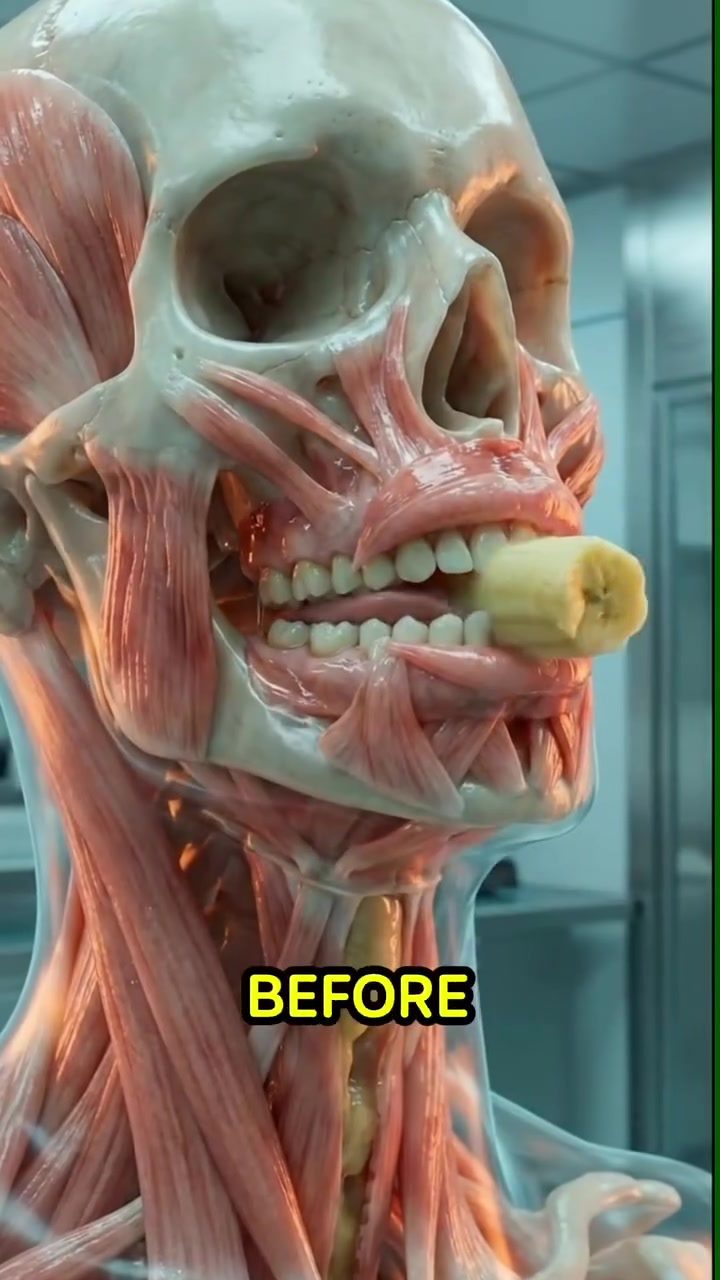
Human Anatomy and Digestion
The digestive process begins the moment food enters the mouth and concludes only when waste exits the body. Understanding this process, and how different foods interact with the digestive system, can offer insights into how to optimize your daily diet and nutrition.
The Digestive Journey of a Banana
A banana can seem like an ordinary fruit, but it undergoes a fascinating journey through the digestive system when consumed, particularly when eaten on an empty stomach.
After chewing, a banana moves smoothly down the esophagus and into the stomach. Unlike some foods that might cause irritation or shock to the stomach lining, a banana spreads gently, triggering slow, rhythmic contractions in the stomach. These contractions are essential for mixing enzymes with the soft banana pulp, breaking it down efficiently. This gentle start to digestion is crucial in maintaining overall digestive health.
The Role of Natural Sugars
One of the key benefits of a banana is its natural sugar composition. Natural sugars are released gradually, avoiding the sudden spikes that can be problematic with processed sugars. This gradual release helps maintain a stable stomach environment, ensuring that the digestive process remains calm and efficient.
Transition to the Small Intestine
After being broken down in the stomach, the digested banana steadily moves into the small intestine. Here, muscular waves, known as peristalsis, guide nutrients forward, preparing them for absorption. In the small intestine, sugars and potassium from the banana are absorbed slowly into the bloodstream. This slow absorption ensures that energy levels rise steadily without stressing the system.
Nutrient Absorption and Energy Levels
The slow, steady digestion of a banana has a significant impact on energy levels. The gradual absorption of sugars and potassium sends a clear signal to the brain, helping to balance mood and energy. This steady digestion ensures that the body feels fueled and balanced, making bananas an ideal way to start the day.
Balancing Mood and Energy
Bananas are rich in tryptophan, an amino acid that plays a crucial role in the production of serotonin, a neurotransmitter associated with happiness and well-being. This, combined with the gradual release of natural sugars, helps balance mood and energy levels. The steady digestion also ensures that the body feels satiated, reducing the likelihood of overeating or snacking on unhealthy foods later in the day.
Practical Tips
Incorporating bananas into your daily diet can have numerous benefits, especially when consumed at the right time. Here are some practical tips to maximize the benefits:
Morning Nutrition
Eating a banana before breakfast can be a gentle and nourishing start to your day. The fruit's natural sugars provide a steady supply of energy, while its fiber content aids in digestion and helps maintain a healthy gut. This makes it an ideal snack for those who want to kickstart their metabolism without the risk of sudden energy spikes.
Combining with Other Foods
Bananas can also be combined with other foods to create a balanced breakfast. For instance, pairing a banana with oatmeal, yogurt, or whole-grain toast can enhance the nutritional value and provide a more filling meal. This combination ensures that you get a mix of carbohydrates, proteins, and healthy fats, which are essential for a balanced diet.
Important Takeaways
Understanding the digestive journey of a banana offers valuable insights into how food interacts with the body. Here are the key takeaways:
- Bananas are gentle on the stomach and can help maintain a stable digestive environment.
- They provide a slow, steady release of natural sugars, avoiding sudden spikes and ensuring sustained energy levels.
- The combination of natural sugars, potassium, and fiber makes bananas an excellent choice for a balanced and nourishing diet.
- Consuming a banana before breakfast can provide a calm and efficient start to digestion, ensuring that the body feels fueled and balanced.
Conclusion
The digestive process of a banana highlights the intricate workings of the human body, offering a glimpse into how food interacts with our system. By understanding this process, we can make more informed decisions about our diet and nutrition, ensuring that we maintain a healthy and balanced lifestyle.
Questions readers ask
What makes bananas a good choice for maintaining stable energy levels?
Bananas contain natural sugars that are released into the bloodstream gradually, unlike most processed sugars. This steady energy release helps maintain stable energy levels and prevents the peaks and troughs that can come from consuming foods with a high glycemic index.
How does a banana support digestive health?
Bananas break down easily in the stomach, triggering slow, rhythmic contractions that aid in digestion. They also contain potassium, which is gradually absorbed in the small intestine to help maintain overall digestive health.
What happens when you eat a banana on an empty stomach?
When eaten on an empty stomach, a banana moves through the esophagus and into the stomach, where it spreads gently and triggers contractions. These contractions help to break down the banana and mix it with digestive enzymes, preparing it for digestion.
What role does the small intestine play in banana digestion?
The small intestine plays a crucial role in the final stages of banana digestion. It's where the natural sugars and potassium in bananas are gradually absorbed into the bloodstream, providing a steady release of energy and supporting overall health.
Why are bananas considered a good food for digestion?
Bananas are gentle on the digestive system, spreading easily in the stomach and promoting smooth, rhythmic contractions. Their easy breakdown and high potassium content make them an excellent choice for supporting overall digestive health and nutrient absorption.
What are the benefits of eating a banana for breakfast?
Eating a banana for breakfast can provide a steady release of energy to start the day, thanks to its natural sugars. The gradual digestion of bananas also helps maintain stable energy levels, preventing mid-morning slumps and supporting overall digestive health.
How does a banana move through the digestive system?
After chewing, a banana slides down the esophagus and into the stomach, where it triggers slow, rhythmic contractions. From there, it moves to the small intestine, where its natural sugars and potassium are gradually absorbed, before eventually reaching the large intestine and being eliminated.
Related deep dives
Similar reads based on topic and creator.

Recent articles
Fresh deep dives from the latest Reels we unpacked.



Comments
Be the first to comment.