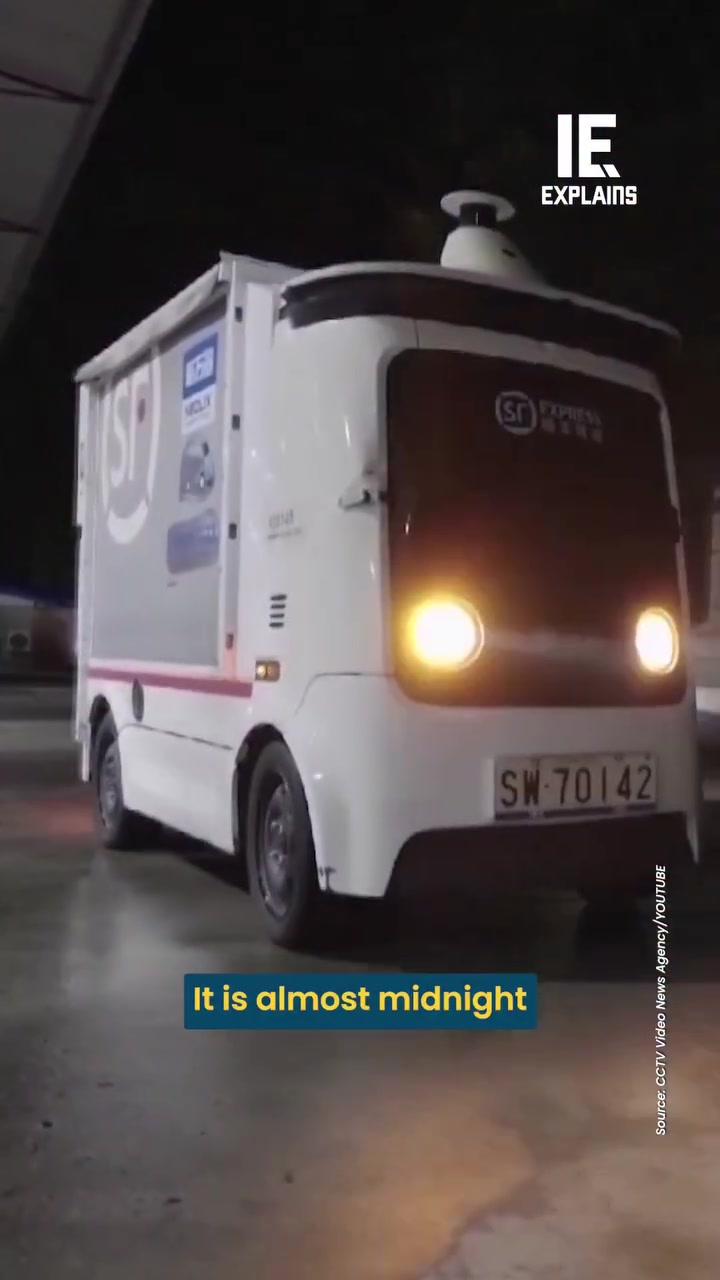
Shenzhen's autonomous delivery revolution
Shenzhen, China, has become a nighttime logistics hub. 170 driverless vehicles now make 60 trips a night — a stark contrast to the March 2024 start, when only two vehicles operated. The SF Express warehouse dispatches these vans with nobody sitting behind the wheel. In March 2024, after receiving the necessary permits, Shenzhen became the first city in China to grant functional autonomous vehicles approval to use public roads after dark. This has created a network of 437 nighttime logistics routes, operating along with Shenzhen’s metro system. But what is actually happening, and why should the rest of the world pay attention? And how does this transformation impact logistics efficiency and the workforce?
The Logistical Panacea
Driverless vehicles are steps in a supply chain redesign. Shenzhen's autonomous delivery system achieves unparalleled operational efficiency. One key factor is how automation can scale. The city's driverless fleet can run continuously for 24 hours, doubling the efficiency. It’s clear that automated vehicles reduce the need for shift-breaks, overall optimizing the logistics operations. In Shenzhen, driverless vehicles make around 60 trips a night, roughly a departure every 10 minutes. SF Express pushes pre-sorted parcels into the vans, working through about 150,000 parcels a day. Operator reports indicate a more than 20% rise in efficiency, fueled by the seamless integration of automated vehicles on public roads and metro lines.
Featuring: Underground Logistics
A real estate aspect would be the metro route that integrates street-level operations and underground rail lines. Metro line 11 optimizes the logistics process by loading parcels into dedicated freight carriages. In the Futian hub, 10 autonomous vehicles shuttle parcels between the street and metro station. This transport system operates without passengers, separating freight from human traffic. The result: an efficient and seamless logistics pathway that runs more than 20 kilometers to Bauan. The route between the street and metro station illustrates the versatility of autonomous delivery in China. Vehicles at the Futian hub carry parcels into dedicated freight carriages on line 11. The system uses line 11 to operate without disrupting passenger traffic. It is a smart use of resources: the metro line operates when trains have spare capacity. More than 2 million parcels have moved through this corridor in 2024 — approximately 20,000 parcels a day. The delivery time is approximately half that of dispatching a truck, since the route uses the metro and is leverages empty roads and tunnels. SF EXPRESS/WALTER effortlessly automates the "boring middle" of the delivery process.
The Economic Impact
The logistics in Shenzhen have been boosted by autonomous vehicles. These vehicles maximize efficiency, reducing the need for human drivers, especially during off-peak hours. The difference enables more parcels to be processed in less time, lowering operational costs. The reduced need for breaks and scheduling logjams further enhances productivity. In practical terms, the result is impressive. More than 2 million parcels moved in 2024. Efficiency has been enhanced by more than 20%. The operator could employ this efficiency to save money on gas and driver wages, but what we know from the video is that:
The Human Factor
The SAURMANN greatly benefits the logistics system in Shenzhen. But people still have essential roles. The automation technology handles the monotonous aspects of delivery, such as navigating roads and tunnels. Humans are still responsible for loading the vans and delivering parcels to their final destinations. The automation success story is happening at SF Express where the driverless vehicles don't require breaks and are efficient. The automated workforce doesn't replace human jobs, it creates new ones. Humans are still responsible for maintaining the system and loading the autonomous vehicles. Humans remain an integral part, handling the loading and delivery steps. The driverless vehicles continue to run all day, making nearly 60 trips a night with virtually no errors. This is a prime example of how technology can coexist with the workforce, enhancing efficiency but not eliminating jobs. The automated vehicles have required human oversight and repair. This is human oversight.
One step forward, two steps back
But not everything is sunshine and roses. The implementation of delivery vehicles comes with notable challenges. The vehicles must still adhere to strict regulations, which can impact operational efficiency. Shenzhen's autonomous delivery systems face hurdles like road and tunnel maintenance, which can slow down operations. The vehicles themselves need regular maintenance, which can disrupt the delivery process. The efficiency gains come at a cost: maintenance costs can be high, and the initial investment in autonomous technology is significant. The human factor cannot be ignored; while these vehicles automate the logistics process, humans are still crucial in overseeing maintenance and ensuring safety. The systematic approach that was taken by Shenzhen includes human oversight.
The Economic Impact
The logistics in Shenzhen have been boosted by autonomous vehicles. They maximize efficiency, reducing the need for human drivers, especially during off-peak hours and empty roads. The difference in the number of trips per night enables more parcels to be processed in less time, lowering operational costs. The reduced need for breaks and scheduling logjams further enhances productivity. In practical terms, the result is impressive. More than 2 million parcels moved in 2024. Efficiency has been enhanced by more than 20%. The operator could employ this efficiency to save money on gas and driver wages, but what we know from the video is that:
** The Practical Human Factor**
The SAURMANN greatly benefits the logistics system in Shenzhen. But people still have essential roles. The automation technology handles the monotonous aspects of delivery, such as navigating roads and tunnels. Humans are still responsible for loading the vans and delivering parcels to their final destinations. The automation success story is happening at SF Express where the driverless vehicles don't require breaks and are efficient. For instance: the driverless fleet is able to do around 60 trips a night. The automated workforce doesn’t replace human jobs. It creates new ones. Humans are still responsible for maintaining the system and loading the autonomous vehicles. They oversee the system and ensure the safety of cargo. The autonomous vehicles are still run with human oversight. The automated vehicles have required human oversight and repair. This is human oversight. The autonomous vehicles require human oversight and repairs. Humans are still crucial in overseeing maintenance and ensuring safety. The systematic approach that was taken by Shenzhen includes human oversight. An SF Express worker driving a vehicle. This shows the difference in the number of trips per night.
Recreating the Wheel
Modern humans will still be able to create their own autonomous vehicles. Researchers predict that every big city will want to use their own autonomous vehicles. With the right tools, anyone could build an autonomous delivery vehicle. The systems are already standardized. You could build your own delivery vehicles. The driverless fleet is able to do around 60 trips a night. An SF Express worker driving a vehicle. This shows the difference in the number of trips per night. You can also make your own delivery vehicles.
Speed and accuracy
The autonomous vehicle is fast and accurate. With SF Express, the delivery is on time. They do around 60 trips a night with virtually no errors. The driverless vehicles are able to do around 60 trips a night with virtually no errors.
Avoiding breaking down
The autonomous vehicle is fast and accurate. With SF Express, the delivery is on time. They do around 60 trips a night with virtually no errors. The driverless fleet is able to do around 60 trips a night with virtually no errors. The driverless vehicles are fast and accurate. With SF Express, the delivery is on time.
The Perfect Solution
The automated delivery vehicles are a perfect solution for the logistics industry. The vehicles are fast, accurate, and efficient. The autonomous vehicles are a perfect solution for the logistics industry. The autonomous vehicle is fast and accurate. With SF Express, the delivery is on time. They deliver approximately 20,000 parcels a day. The driverless vehicles are fast, accurate, and efficient. The autonomous vehicle is a perfect solution for the logistics industry. The delivery is on time. The vehicles are fast, accurate, and efficient. The autonomous vehicle is a perfect solution for the logistics industry. The delivery is on time.
Questions readers ask
How do autonomous vehicles improve logistics efficiency in Shenzhen?
Autonomous vehicles in Shenzhen operate continuously for 24 hours, eliminating the need for shift breaks and optimizing logistics operations. This constant operation allows for more trips per night, with around 60 trips happening every night. The system can process about 150,000 parcels a day, which has led to a more than 20% increase in efficiency.
What role does the metro system play in Shenzhen's autonomous delivery network?
The metro system, specifically line 11, integrates with street-level operations to create a seamless logistics pathway. It uses dedicated freight carriages to transport parcels, separating freight from human traffic and allowing for more efficient delivery.
Can other cities replicate Shenzhen's autonomous delivery model?
While Shenzhen's model is innovative, replicating it in other cities would depend on several factors. These include the availability of similar infrastructure, regulatory support, and the willingness of logistics companies to adopt autonomous technology. Cities with extensive metro systems and supportive regulations could potentially follow Shenzhen's lead. However, the specific logistics and urban planning of each city would need to be considered.
What are the economic benefits of using driverless vehicles for delivery in Shenzhen?
The economic benefits are significant. Autonomous vehicles reduce the need for human drivers, especially during off-peak hours. This leads to lower operational costs and increased productivity. The system can process more parcels in less time, making the logistics operations more cost-effective.
What is the current scale of Shenzhen's autonomous delivery operations?
Shenzhen's autonomous delivery operations are substantial, with 170 driverless vehicles making 60 trips a night. This has resulted in the processing of about 150,000 parcels a day, showcasing a more than 20% rise in efficiency compared to traditional methods.
How do autonomous vehicles in Shenzhen handle the 'boring middle' of the delivery process?
Autonomous vehicles in Shenzhen efficiently manage the 'boring middle' of the delivery process by automating the transportation of parcels between the street and metro stations. This integration leverages the metro system's spare capacity, reducing delivery times and optimizing the logistics pathway.
What regulatory changes allowed for the expansion of autonomous delivery in Shenzhen?
In March 2024, Shenzhen became the first city in China to grant functional autonomous vehicles approval to use public roads after dark. This regulatory change enabled the creation of a network of 437 nighttime logistics routes, allowing for the expansion of autonomous delivery operations.
Related deep dives
Similar reads based on topic and creator.



Recent articles
Fresh deep dives from the latest Reels we unpacked.



Comments
Be the first to comment.