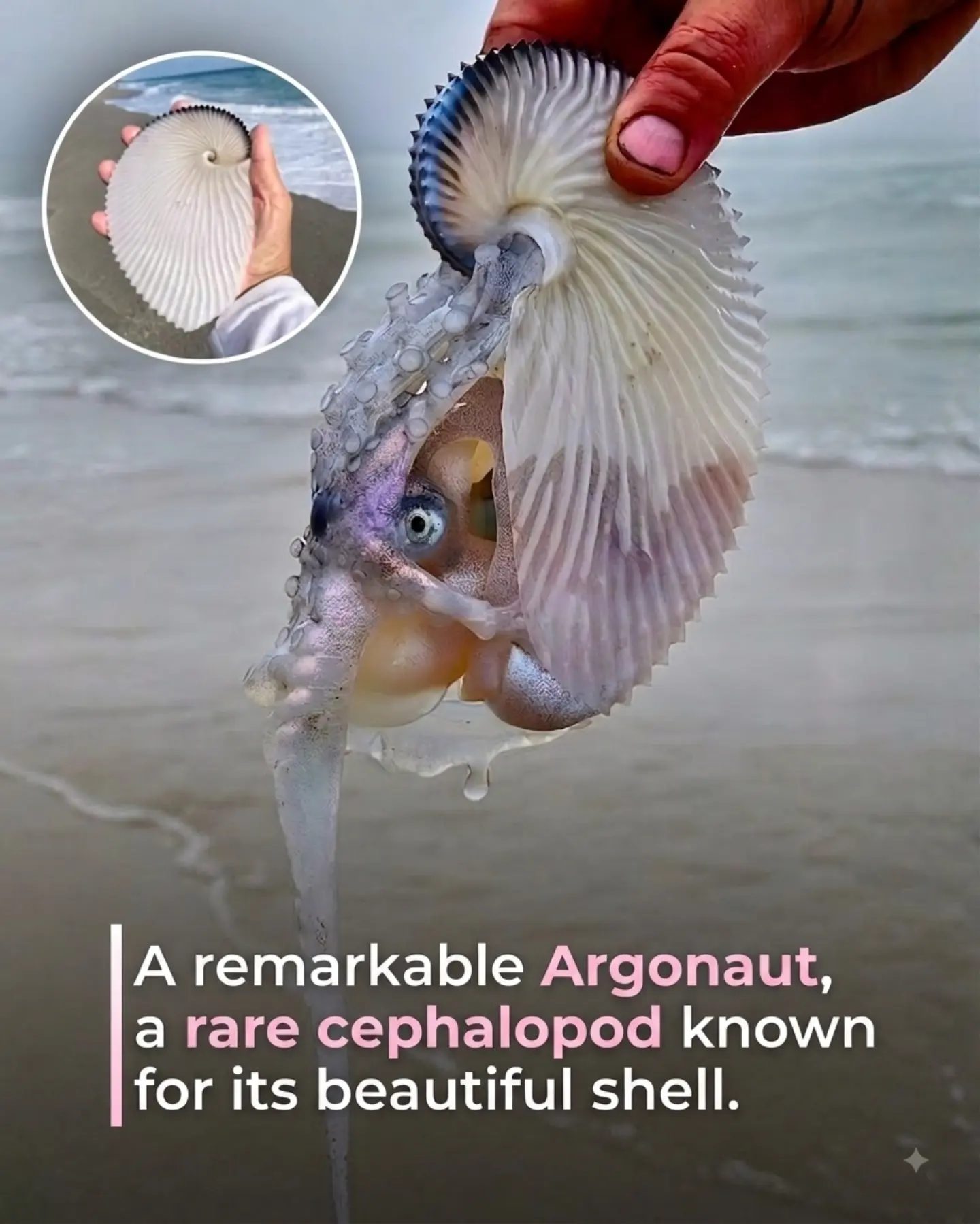
The Argonaut: The Marine Marvel of the Pelagic Realm
The Argonaut, often called the paper nautilus, is a captivating species of pelagic octopus inhabiting the tropical and subtropical oceans. Though it shares a name with the true nautiluses, the Argonaut is a unique cephalopod with an intriguing biological structure. Known for its fragile, shell-like egg case, the Argonaut offers a glimpse into the fascinating world of marine-life adaptations.
Context: The Pelagic Octopus
The Argonaut resides in the open sea rather than the ocean floor, making it a true pelagic creature. As a cephalopod, it belongs to a group of mollusks that includes squids, octopuses, and nautiluses, each characterized by their unique adaptations. While the Argonaut is part of this family, its distinctive features set it apart.
What Is the Argonaut?
The Argonaut is a type of octopus but differs from other octopus species in several key ways. The most notable feature is its shell-like structure, often mistaken for a true shell. This structure is actually an intricate egg case, secreted exclusively by female Argonauts, which serves a dual purpose. The first is to protect the developing eggs. The second is to trap surface air, helping the octopus maintain buoyancy as it floats through the ocean.
You might hear the Argonaut referred to as the paper nautilus, but that nickname can be misleading. The Argonaut's "shell" is not hard like that of a true nautilus; instead, it is delicate and paper-thin. This structure is made of calcite and is secreted by the female using specialized webbed tentacles. While it may resemble a shell, it is an egg case, unique to this species.
The Argonaut’s Unique Adaptations
The Egg Case
The egg case, or "shell," of the Argonaut is a marvel of marine engineering. Created by the female, it is a calcite structure that serves several crucial functions. The primary function is to protect the eggs from predators and the harsh ocean environment. Additionally, the egg case traps air, providing the octopus with buoyancy. This allows the Argonaut to float without expending energy on swimming, conserving resources in the open ocean where food can be scarce.
Sexual Dimorphism
One of the most fascinating aspects of the Argonaut is its extreme sexual dimorphism. Females grow significantly larger than males, with the male being relatively small. This size difference is a remarkable example of how marine species have evolved to optimize survival and reproductive success in their environments.
The female Argonaut, with its larger size and unique adaptations, is well-equipped to protect its eggs and maintain buoyancy, making it a formidable and mysterious creature of the deep.
The Argonaut's Habitat and Behavior
As a pelagic species, the Argonaut inhabits the open sea, drifting with the currents rather than residing on the ocean floor. This lifestyle requires unique adaptations, such as the buoyancy provided by the egg case. The Argonaut's habitat spans tropical and subtropical oceans, where it can be found floating in the surface waters.
Despite its delicate appearance, the Argonaut is a skilled hunter. It feeds on small crustaceans and other marine life, using its webbed tentacles to capture prey. The Argonaut's ability to drift with the currents and conserve energy makes it well-suited to life in the open ocean, where resources can be scarce.
Practical Tips for Observing and Understanding the Argonaut
While the Argonaut is a captivating creature, observing it in its natural habitat can be challenging due to its pelagic nature. However, there are ways to deepen your understanding and appreciation of the Argonaut.
Research and Learning
One of the best ways to learn about the Argonaut is through research. There are numerous scientific studies and articles available that delve into the biology, behavior, and adaptations of this fascinating species. Understanding the basics of cephalopod biology and marine ecology can also provide a broader context for appreciating the Argonaut.
Diving and Exploration
For those with access to diving equipment and experience, observing the Argonaut in its natural habitat can be a life-changing experience. Many marine biologists and oceanographers have dedicated their careers to studying these and other pelagic species. Joining a research expedition or participating in a marine biology course can provide opportunities to observe the Argonaut and other deep-sea creatures.
Important Takeaways
The Argonaut, or paper nautilus, is a true marvel of the marine world. Its unique adaptations, such as the egg case and extreme sexual dimorphism, make it a fascinating subject for study. Understanding the Argonaut can provide valuable insights into the world of marine biology and the adaptations that allow creatures to thrive in the open sea.
Conclusion
The Argonaut is a testament to the wonders of the natural world. Its delicately crafted egg case and unique adaptations allow it to thrive in the vast and challenging environment of the open ocean. Whether studying its biology, observing it in its habitat, or simply appreciating its beauty, the Argonaut offers a glimpse into the complexity and beauty of marine life. For those interested in marine biology, the Argonaut is a captivating and inspirational subject.
Questions readers ask
What is the Argonaut and why is it often confused with the true nautilus?
The Argonaut, also known as the paper nautilus, is a unique octopus species that inhabits pelagic environments. It is often confused with true nautiluses due to its shell-like egg case, but it is actually a cephalopod with distinct biological features that differ from true nautiluses.
Where can the Argonaut be found and what kind of environment does it thrive in?
The Argonaut thrives in tropical and subtropical oceans. As a pelagic species, it is a true open-sea dweller, preferring the water column rather than the sea floor, distinguishing it from other cephalopods.
What is the purpose of the Argonaut's shell-like egg case?
The Argonaut's shell-like egg case, often referred to as the paper nautilus shell, serves multiple purposes. It aids in buoyancy, helping the Argonaut to float and navigate the open sea. Additionally, it protects developing eggs, ensuring their safety during the vulnerable stages of development.
How does the Argonaut differ from other cephalopods?
The Argonaut stands out from other cephalopods due to its delicate shell-like structure and pelagic lifestyle. Unlike many octopuses, it does not live at the ocean floor but instead inhabits the open sea. These adaptations make it a fascinating and unique species.
What are some unique adaptations of the Argonaut?
The Argonaut boasts several unique adaptations. Its shell-like egg case is a notable feature that aids in buoyancy and protection. Furthermore, as a pelagic octopus, it has evolved to thrive in open water environments, setting it apart from other marine cephalopods.
What is the significance of the Argonaut's pelagic lifestyle?
The pelagic lifestyle of the Argonaut is significant because it allows the species to inhabit vast, open ocean environments. This lifestyle comes with specific adaptations, such as the use of a shell-like structure for buoyancy and protection, which are crucial for survival in the open sea.
Why is the Argonaut considered a marine marvel?
The Argonaut is considered a marine marvel due to its unique biological features and adaptations. Its shell-like egg case, pelagic lifestyle, and distinctive characteristics set it apart from other marine creatures, making it a fascinating subject of study.
Related deep dives
Similar reads based on topic and creator.




Recent articles
Fresh deep dives from the latest Reels we unpacked.




Comments
Be the first to comment.