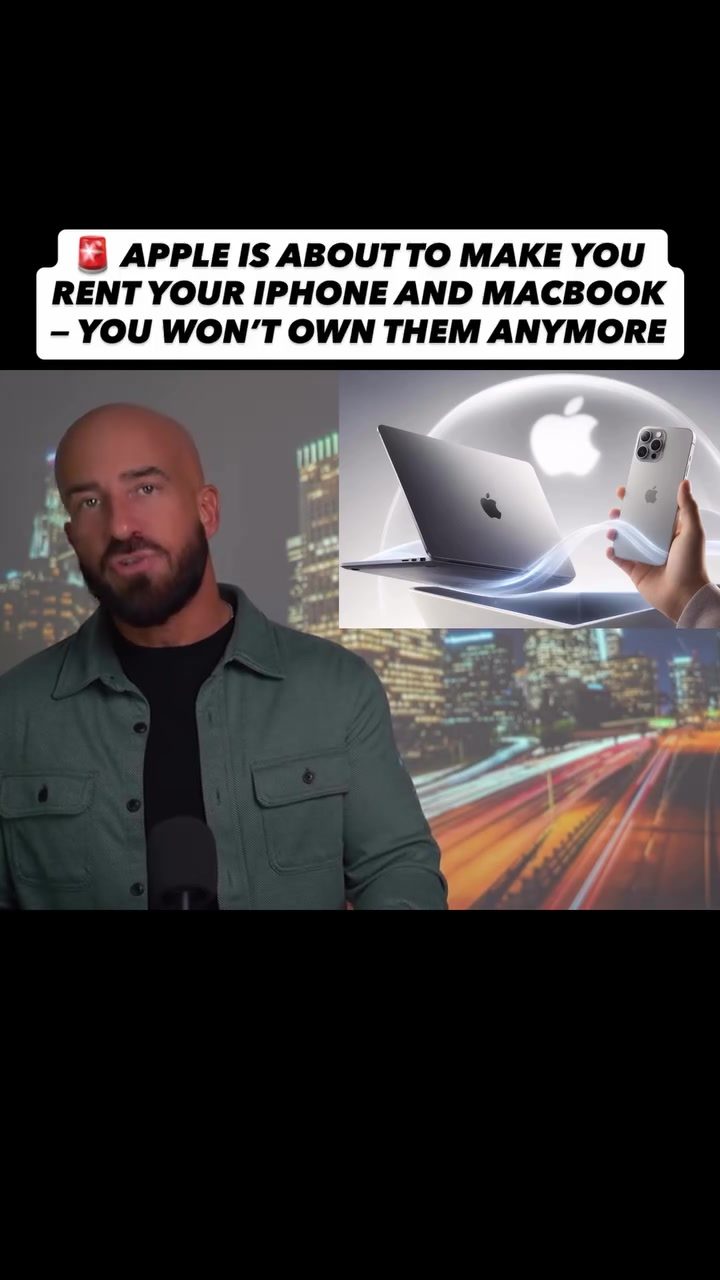
Apple's New Leasing Program: Renting iPhones and MacBooks
Apple is shaking up the consumer tech landscape with a new leasing program that will allow customers to rent iPhones, MacBooks, iPads, and Apple Watches instead of purchasing them outright. This move, in partnership with Klarna, is set to drastically change how consumers access Apple devices.
Why This Matters
Apple's new leasing program signals a shift in the tech industry towards a subscription-based model. This program, branded as an "upgrade service," allows customers to lease devices through a subscription, effectively renting them rather than owning them outright. This change is significant for several reasons:
- Financial Accessibility: The program aims to make Apple devices more accessible to a broader range of consumers by offering lower monthly payments compared to traditional financing options.
- Technological Advancement: By leasing, customers can stay up-to-date with the latest Apple devices without the need to sell or upgrade their existing devices.
- Environmental Impact: The program could potentially reduce e-waste by encouraging the return and recycling of older devices.
Main Discussion
The Leasing Program: How It Works
The leasing program, referred to as "Hitch," operates like a traditional subscription service. Customers can lease iPhone, Mac, iPad, and Apple Watch models, with the option to pay off the device early. This program is initially available in the U.S., both online and in physical retail stores. Klarna, a company known for its "buy now, pay later" services, is partnering with Apple to facilitate this leasing program. Klarna's stock price has already seen a boost of 11% following the announcement.
Customers will not own the devices they lease; instead, they will have access to them as long as they maintain their subscription payments. This leasing model is designed to make Apple devices more affordable, especially as the company plans to raise prices in the coming years.
Potential Downsides
While the leasing program offers financial flexibility, it comes with significant drawbacks. One missed payment could result in the loss of access to the device. If payments through apple.com are not made, the device could be "bricked," meaning it will be rendered unusable until the payment issue is resolved. This includes restrictions on installing new apps and even updating existing ones.
Apple's Strategic Move
Apple's decision to introduce this leasing program is partly driven by their intention to raise prices significantly in the future. The rising costs of Apple devices could make outright ownership unaffordable for many consumers, making leasing the only viable option. This move aligns with a broader trend in the tech industry where companies are encouraging consumers to lease high-end devices rather than own them.
The Future of Device Ownership
The introduction of this leasing program raises questions about the future of device ownership. As tech companies shift towards subscription models, the concept of owning a device outright may become less common. This trend could have broader implications for consumer behavior and financial planning, as well as for the environmental impact of tech waste.
Practical Tips
Evaluating the Leasing Program
If you're considering Apple's new leasing program, here are some practical tips to help you make an informed decision:
- Assess Your Financial Situation: Ensure that you can consistently make the monthly payments. Missing even one payment could result in losing access to your device.
- Understand the Commitment: Be aware that leasing means you will not own the device. If you value ownership or prefer to have the device indefinitely, this program may not be suitable for you.
- Check for Fine Print: Review the terms and conditions carefully. Look for any hidden fees or penalties for early termination or missed payments.
- Consider Alternatives: Compare the leasing program with other financing options, such as traditional installment plans or purchasing a refurbished device.
Making the Most of the Program
If you decide to participate in the leasing program, there are ways to maximize its benefits:
- Stay Current: Take advantage of the option to upgrade to new models. This ensures you always have the latest technology without the need to sell or trade in your current device.
- Budget Wisely: Factor the monthly payments into your budget and ensure you can comfortably afford them.
- Maintain Payments: Set up automatic payments to avoid missing any deadlines and risking the loss of your device.
Important Takeaways
Pros and Cons
Pros:
- Lower monthly payments compared to traditional financing.
- Ability to upgrade to new models regularly.
- Reduced environmental impact through device recycling.
Cons:
- No ownership of the device.
- Risk of losing access to the device with missed payments.
- Potential for hidden fees and penalties.
Conclusion
Apple's new leasing program represents a significant shift in how consumers can access high-end tech devices. While it offers financial flexibility and the ability to stay current with the latest technology, it also comes with the risk of losing access to the device if payments are missed. As Apple and other tech companies continue to explore subscription-based models, consumers will need to carefully evaluate these options to determine what works best for their needs and financial situations.
Questions readers ask
How does the Apple leasing program with Klarna work?
The Apple leasing program, offered through Klarna, allows you to rent iPhones, MacBooks, iPads, and Apple Watches on a subscription basis. Instead of paying the full price upfront, you make regular payments and have the option to upgrade to a new device at the end of the lease term.
What are the benefits of renting an Apple device compared to buying it?
Renting an Apple device through the leasing program offers financial flexibility, as you don't need to pay the full price upfront. It also allows you to stay current with the latest technology by upgrading to new devices more frequently. Additionally, renting can be a good option if you prefer lower monthly payments over a large upfront cost.
Can I upgrade my device during the lease term?
Yes, the leasing program is designed to allow for upgrades. At the end of the lease term, you have the option to upgrade to the latest Apple device. This ensures that you always have access to the newest features and technology without having to sell or trade in your old device.
What happens if I decide to end my lease early?
If you decide to end your lease early, you may be subject to early termination fees. The specifics of these fees can vary, so it's important to review the terms and conditions of the leasing agreement carefully before signing up.
Are there any restrictions on what I can do with a rented Apple device?
Rented devices are subject to certain restrictions. For example, you may not be allowed to make significant modifications to the device, and you might need to keep it in good condition to avoid additional fees. It's also important to note that renting means you don't own the device, so you won't be able to sell it.
Can I rent an Apple device if I have poor credit?
The approval process for the Apple leasing program with Klarna typically involves a credit check. If you have poor credit, it might be more challenging to qualify for the program. However, Klarna may offer alternative financing options, so it's worth checking with them directly to explore your options.
What happens when my lease term ends, and I want to keep the device?
At the end of your lease term, you usually have the option to either return the device, upgrade to a new one, or purchase the device outright at a reduced cost. If you choose to purchase, you'll need to pay the remaining balance, which is often lower than the original retail price. This allows you to keep the device without having to commit to a full-price purchase upfront.
Related deep dives
Similar reads based on topic and creator.




Recent articles
Fresh deep dives from the latest Reels we unpacked.




Comments
Be the first to comment.