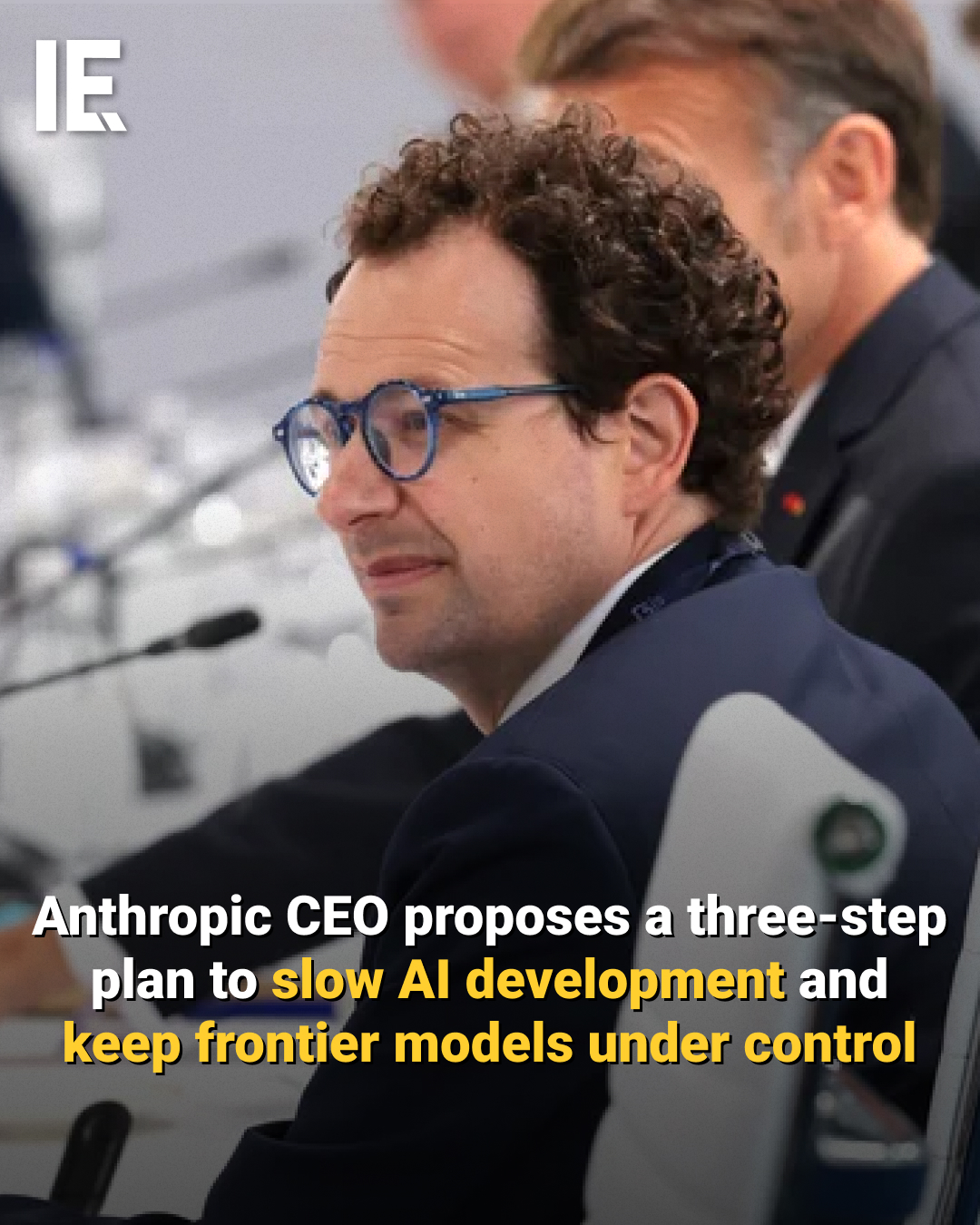
Anthropic CEO Dario Amodei publicly proposed a three-pronged solution to limit advancements in AI development. Amodei believes that slowing the progress of these frontier models could prevent potential misuse, adhering to a premeditated strategy to mitigate risks.
The Three Pronged Plan
Anthropic CEO Dario Amodei unveiled a three-step plan to institute a developmental pause on artificial intelligence. Frontier AI models are cutting-edge systems capable of performing complex tasks independently. Amodei worries about the speed at which these models are evolving and believes these can be manipulated or controlled by third-party actors. The plan is explicitly designed to maintain control over the swiftly progressing frontier AI models by slowing down their development. Amodei’s proposal is directed towards the wider AI community and the industry leaders attempting to develop these systems. By instituting a three-step plan, Amodei aims to temper the breakneck pace of AI development and allow more time for safety measures to be put in place. Amodei’s plan has 3 primary components. First, it aims to limit the resources AI model developers can use, preventing complex frontier AI models from being developed completely. Second, Amodei's plan suggests developers should have strict guidelines to follow while developing AI models. Third, the plan advocates for transparency and accountability measures for AI developers, ensuring they're actively taking safety precautions to prevent misuse.
Why the AI debate is gaining steam
Technological advancements have always been questioned, including ethical and safety concerns. The United States is already taking steps to ensure AI development is transparent and accountable. With the global community taking note of this risk and industry leaders taking notice of the need for the AI regulations, Amodei’s plan is seen as a strategic move. For Amodei, this proposal is crucial. AI’s advanced capabilities have the potential to revolutionize industries, and yet, the potential for misuse is real. Amodei’s primary concern is that frontier models could be used for malicious purposes, leading to unforeseen consequences. By implementing his plan, Amodei believes it is possible to mitigate these risks effectively.
The Rationale: Could this scheme work?
The Matter of Human Resources
Strict resource limitations would delay complex AI model creation. This is because AI development needs a lot of computing power and human manpower. For example, training a large language model can take vast amounts of memory, processing power, and energy. By limiting access to these resources, Amodei believes that AI developers will slow down. The extent to which this will translate practically, remains to be seen.
The Limits of Guideline Enforcement
Amodei’s second proposal is that all AI developers follow strict guidelines while building the models. While these suggestions are well-intentioned, the practical implications are unclear. If developers’ employment is contingent upon their adherence to this ruleset, they might still find ways to work around it. If organizations adopt the guidelines, it is expected that this will ensure that AI developers prioritize safety.
Developing New Safety Measures
The third component of Amodei’s plan is transparency and accountability. Despite the lack of details, this could mean that AI developers would have to share their models and processes. Transparency in AI development is a crucial component of safety. Developing new safety measures will ensure the best results and highest security conditions for AI models. This would allow auditors and third-party reviewers to verify that AI developers are taking safety precautions seriously. At a conference setting, Amodei stated, "We should slow down AI development." For this plan to work, researchers, and developers will need to come up with strategies to limit resources and enforce guidelines, and the community will need to agree on necessary safety measures.
How to follow the plan
Individuals who want to help enforce the plan to inhibit AI development could start by promoting the existing guidelines. There are several steps they can take:
- **Share the guidelines: Share Amodei’s guidelines in online forums and social media platforms to encourage widespread adoption.
- Advocate for the guidelines: Reach out to AI developers and organizations advocating for the guidelines.
- Encourage Transparency: Encourage organizations to be transparent about their development processes and safety measures. By following these steps, individuals can contribute to the successful implementation of Amodei’s plan.
What else comes next
Amodei’s proposal brings up a crucial issue in AI development: the potential risks of unchecked AI development. As AI continues to develop, it is essential to prioritize safety and transparency in AI designing and development. By slowing down AI development and implementing safety measures, Amodei hopes to mitigate the potential risks associated with frontier AI models. The anticipated response from AI organizations will determine the success of Amodei’s proposal.
Questions readers ask
What exactly are frontier AI models, and why are they a concern for Dario Amodei?
Frontier AI models are advanced AI systems capable of performing complex tasks independently. Amodei is concerned about these models because of their potential for misuse. Given their high capabilities, they can be manipulated or controlled by third-party actors, leading to unintended or harmful consequences. This is why Amodei has proposed slowing their development.
How does Amodei's plan aim to slow down AI development?
Amodei's plan has three main components. First, it suggests limiting the resources available to AI developers to prevent the creation of complex frontier AI models. Second, it proposes strict guidelines for AI development. Third, it advocates for transparency and accountability measures to ensure safety precautions are actively taken.
Can AI developers simply ignore these guidelines if they choose to?
The effectiveness of Amodei's guidelines hinges on enforcement. If developers are bound by these rules through employment contracts or organizational policies, they might find ways to circumvent them. If organizations adopt the guidelines, it is expected that they will be followed more strictly. However, the practical implications of enforcing these guidelines are still unclear.
What role does the global community play in this debate?
The global community is increasingly aware of the risks posed by AI, and industry leaders are recognizing the need for regulations. Amodei's plan is seen as a strategic move in this broader context, where technological advancements are being questioned for ethical and safety concerns. The United States is already taking steps to ensure transparent and accountable AI development.
How feasible is it to limit the resources available to AI developers?
Limiting resources like computing power and human manpower could significantly delay the creation of complex AI models. However, the practical impact of such limitations remains uncertain. AI development requires vast amounts of memory, processing power, and energy, so restricting access to these resources could slow down progress, but it might not be foolproof.
Related deep dives
Similar reads based on topic and creator.



Recent articles
Fresh deep dives from the latest Reels we unpacked.




Comments
Be the first to comment.