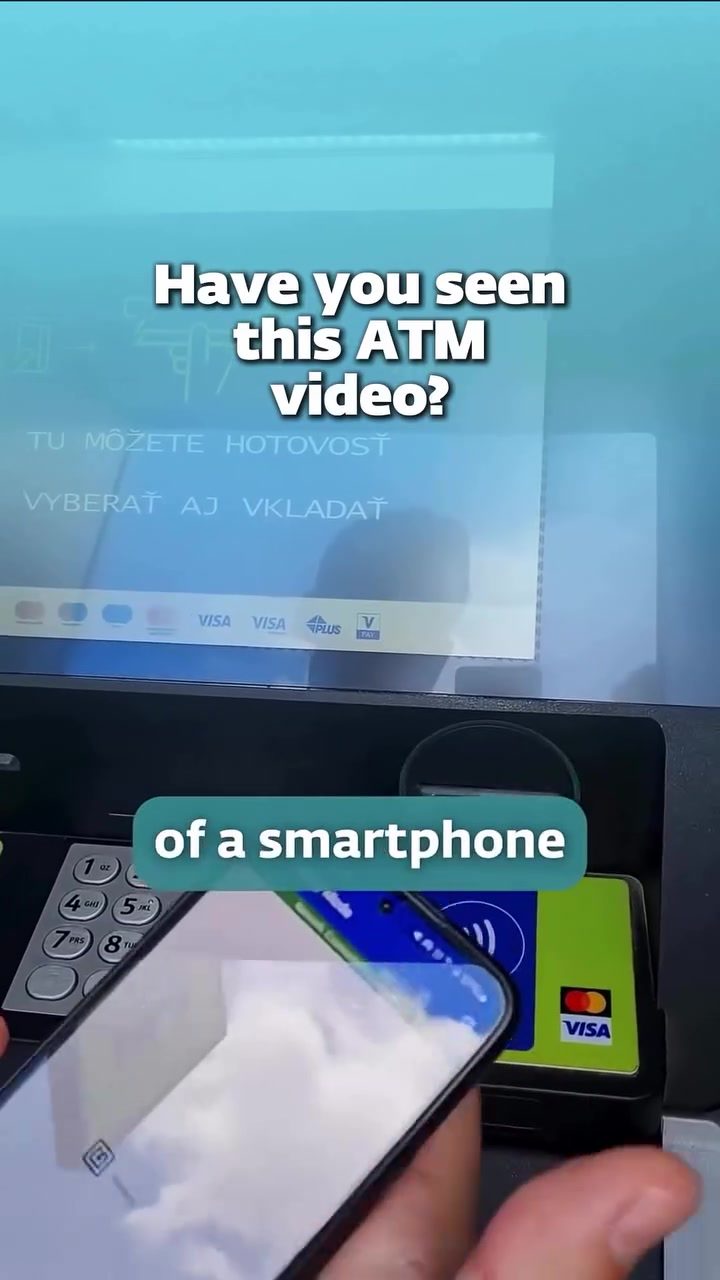
ATM Skimming: How NFC Exploits Can Target ATMs
ATM skimming is a well-known tactic used by criminals to steal card data, but recent developments show that even digital methods pose a significant threat. One such method, known as AndGate, demonstrates how ATMs can be targeted remotely. Let’s dive into the mechanics of this exploit and understand its implications.
What is AndGate?
AndGate, as explained by Lukas Stefanko, a senior malware researcher at ISAT, is a real-world NFC (Near Field Communication) exploit. It leverages the capabilities of Android smartphones to steal credit card information from an ATM. This method does not require physical tampering with the ATM itself, making it a sophisticated and alarming threat. The primary aim of AndGate is to steal credit card information and use it to withdraw cash from the victim's account, typically from a remote location.
How Does AndGate Work?
AndGate exploits the NFC functionality in modern Android smartphones. It uses two smartphones: one as a transmitter and the other as a receiver. The transmitter needs to be in contact with the physical card, reading the data and sending it to the receiver. This process can take as little as five to ten seconds and can be replicated multiple times, allowing the attacker to withdraw large amounts of cash from the victim's account.
The Mechanics of AndGate
- Transmitter Smartphone: This phone is placed in contact with the physical card, reading the data using NFC technology.
- Data Transmission: The data read by the transmitter is then sent over the internet to the receiver smartphone.
- Receiver Smartphone: The receiver smartphone, controlled by the attacker, receives the data and uses it to withdraw cash from the victim's account.
- Remote Access: The entire process can be carried out remotely, allowing the attacker to withdraw cash from the victim's account even if the victim and the attacker are on opposite sides of the world.
The Role of NFC Technology
NFC technology is a key component of this exploit. It allows for short-range wireless communication between devices, making it ideal for contactless payments. However, this same technology can be manipulated to steal card data. The transmitter smartphone reads the data from the card and sends it to the receiver smartphone, which then uses this data to withdraw cash.
Why Targeting ATMs is Effective
ATMs are a prime target for such exploits because they handle large sums of cash and are in constant use. Unlike bank transfers, which can be traced and reversed, cash withdrawals are immediate and irreversible. This makes ATMs an attractive target for cybercriminals looking to steal large amounts of money quickly.
Practical Tips to Protect Your Data
Given the sophistication of AndGate and similar exploits, it's crucial to take proactive steps to protect your data and finances. Here are some practical tips to safeguard against such threats:
Use Chip-Enabled Cards
Chip-enabled cards, also known as EMV cards, are more secure than traditional magnetic stripe cards. They use encryption to protect your data, making it harder for attackers to steal your information.
Monitor Your Account
Regularly monitor your bank account for any unauthorized transactions. Most banks offer mobile apps and online banking portals that allow you to check your balance and transaction history in real-time.
Notify Your Bank
If you suspect that your card has been compromised, notify your bank immediately. They can cancel your card and issue a new one, preventing any further unauthorized transactions.
Be Cautious with ATMs
Be cautious when using ATMs, especially those in isolated or poorly lit areas. If an ATM looks tampered with or has unusual attachments, avoid using it and report it to the bank.
Use Mobile Banking Apps
Many banks offer mobile banking apps that allow you to remotely manage your account. These apps can send you alerts for any unusual activity, helping you to catch and report fraudulent transactions quickly.
Important Takeaways
AndGate is a sophisticated and alarming exploit that demonstrates how modern technology can be used for malicious purposes. It highlights the need for increased vigilance and proactive measures to protect our data and finances. By understanding how these exploits work and taking practical steps to safeguard our information, we can reduce the risk of falling victim to such attacks.
The Importance of Regular Monitoring
Regularly monitoring your bank account and credit card statements is crucial. Fraudulent activity can be detected and reported early, minimizing the potential damage.
The Need for Enhanced Security Measures
Banks and financial institutions need to implement enhanced security measures to protect their customers. This includes investing in advanced fraud detection systems and educating customers about the latest threats and how to protect themselves.
The Role of Technology
While technology can be used for malicious purposes, it also offers solutions. Mobile banking apps, for example, provide a convenient way to monitor and manage your finances, offering an additional layer of security.
Conclusion
AndGate is a stark reminder of the evolving nature of cyber threats. As technology advances, so do the methods used by criminals to exploit it. By staying informed and taking proactive measures, we can protect ourselves and our finances from such threats. Whether it's using chip-enabled cards, monitoring your account, or being cautious with ATMs, every step counts in safeguarding our data and preventing fraud.
Questions readers ask
What exactly is AndGate and how does it work?
AndGate is a NFC-based exploit that uses Android smartphones to steal credit card data from ATMs. It involves two smartphones working in tandem to remotely read and transmit card data, enabling attackers to withdraw funds from the victim's account. The exploit does not require physical manipulation of the ATM, making it a subtle yet severe threat.
How does NFC technology facilitate ATM card data theft?
Near Field Communication (NFC) allows for short-range wireless data exchange between devices. In the context of AndGate, attackers use the NFC capabilities of Android smartphones to read the data stored on ATM cards, such as card numbers and PINs, when the card is inserted into the ATM. This data is then transmitted to another device, enabling unauthorized withdrawals.
Can AndGate be used to target any ATM?
AndGate primarily targets ATMs that utilize NFC technology for card transactions. While not all ATMs are vulnerable, those equipped with NFC capabilities are at risk. The exploit's remote nature means it can be attempted from a distance, increasing the likelihood of undetected attacks on susceptible ATMs.
What are the implications of the AndGate exploit for ATM users?
Users of ATMs vulnerable to AndGate may face unauthorized withdrawals and financial loss. Since the exploit is remote, users might not be aware of the data theft until they notice unusual transactions. It's crucial for users to monitor their accounts regularly and report any suspicious activity immediately.
How can users protect themselves from NFC-based ATM attacks?
To safeguard against NFC-based attacks like AndGate, users should cover the NFC chip on their cards with aluminum foil or use RFID-blocking sleeves. Additionally, being cautious about card transactions and monitoring account activity can help detect and mitigate potential fraud. Some ATMs may also offer enhanced security features that can protect against such exploits.
What steps can ATM operators take to mitigate the risk of AndGate?
ATM operators should stay informed about the latest security threats and update their systems regularly. Implementing additional security measures, such as encryption and secure card readers, can help protect against NFC-based attacks. Regularly monitoring for unusual activity and conducting security audits can also enhance ATM security. If possible, disabling NFC functionality on ATMs can help mitigate the risk of AndGate.
Related deep dives
Similar reads based on topic and creator.




Recent articles
Fresh deep dives from the latest Reels we unpacked.




Comments
Be the first to comment.