Egyptian Canal Irrigation: A Sustainable Practice
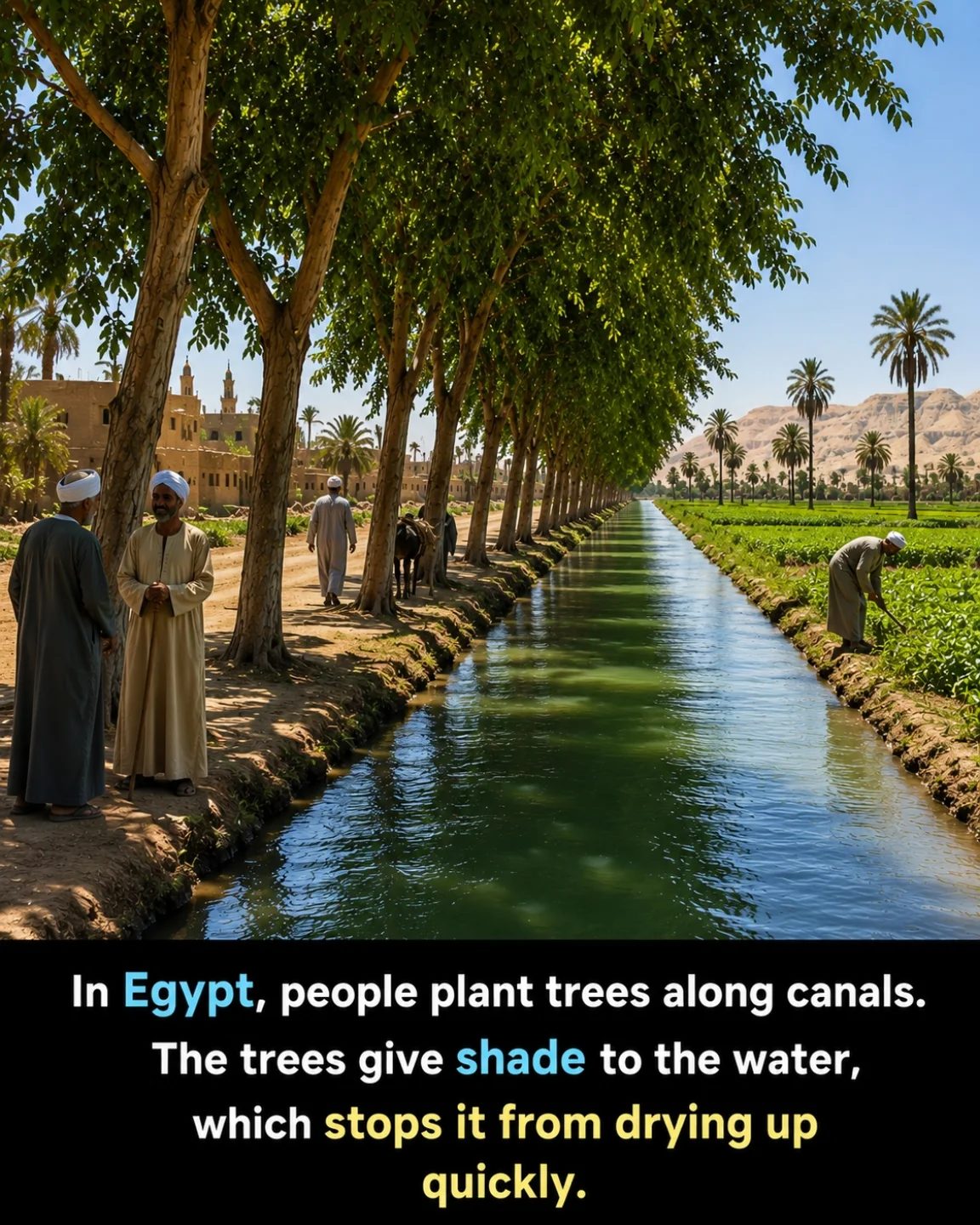
Egyptian canal irrigation, a time-honored practice, plays a crucial role in managing water resources efficiently. This traditional method involves planting trees along the canals. The shade provided by these trees prevents water from evaporating quickly, ensuring a more sustainable water supply. Let's delve into the context, benefits, and practical aspects of this method.
Context: The Importance of Canal Irrigation in Egypt
Egypt is renowned for its agricultural heritage, and efficient water management is vital to its success. The country's irrigation systems rely heavily on the Nile River, which supplies about 95% of Egypt's water needs. The extensive network of canals plays a crucial role in distributing water across the country. Canal irrigation is particularly important in rural areas, where it supports the cultivation of crops such as wheat, cotton, and sugarcane.
Traditional Wisdom: Trees and Water Conservation
The practice of planting trees along canals is not just an aesthetic choice; it serves a practical purpose. Trees provide shade, which significantly reduces the rate of evaporation from the canal water. This is particularly important in Egypt's hot climate, where high temperatures and strong sunlight can quickly dry up exposed water.
The Science Behind the Practice
The shade from the trees creates a cooler environment, which slows down the evaporation process. This is due to several factors:
- Reduced Direct Sunlight: Trees block direct sunlight, reducing the amount of solar radiation that hits the water surface. This lowers the water temperature, which in turn slows down evaporation.
- Humidity Increase: Trees release water vapor into the atmosphere through a process called transpiration. This increases the humidity around the canal, further reducing the rate of evaporation.
- Wind Break: Trees act as a windbreak, reducing the wind speed over the water surface. This minimizes wind-induced evaporation.
Benefits of Traditional Canal Irrigation
Sustainable Water Management
By reducing evaporation, this practice helps conserve water, making it available for longer periods. This is essential for maintaining a steady supply of water for agricultural and domestic use, especially during dry seasons.
Environmental Benefits
The trees along the canals contribute to biodiversity by providing habitats for various species of birds and insects. They also help prevent soil erosion along the canal banks, ensuring the longevity of the irrigation system.
Practical Tips for Implementing Canal Irrigation
Choosing the Right Trees
Selecting the right species of trees is crucial. Native trees that are well-adapted to the local climate and soil conditions are ideal. They should have dense canopies to provide ample shade and be able to tolerate the moist conditions along the canal.
Planting Techniques
Planting trees along canals requires careful planning:
- Spacing: Ensure trees are planted at an appropriate distance from each other to provide continuous shade without overcrowding.
- Depth: Plant trees at the correct depth to ensure their roots have access to water but are not submerged.
- Maintenance: Regularly prune the trees to maintain their shape and health. Remove any dead or diseased trees to prevent the spread of pests and diseases.
Community Involvement
Engaging local communities in the maintenance of the irrigation system can ensure its sustainability. Community members can be trained in tree planting, pruning, and general canal maintenance. This not only ensures the longevity of the system but also empowers local communities.
Important Takeaways
- Trees Along Canals: Planting trees along canals is a traditional and effective method of water conservation. The shade provided by the trees reduces evaporation, making water available for longer periods.
- Sustainable Practices: This method supports sustainable water management and environmental conservation. It contributes to biodiversity and helps prevent soil erosion.
- Community Engagement: Involving local communities in the maintenance of the irrigation system ensures its sustainability and empowers local people.
Conclusion
Egyptian canal irrigation, with the practice of planting trees along canals, offers a sustainable solution to water management. By reducing evaporation and supporting local ecosystems, this traditional method plays a vital role in Egypt's agricultural success. Understanding and implementing this practice can inspire similar sustainable water management strategies in other regions facing water scarcity challenges.
Related deep dives
Similar reads based on topic and creator.




Recent articles
Fresh deep dives from the latest Reels we unpacked.



Comments
Be the first to comment.