Concrete Bags vs. Bricks: The Cunning Use in Retaining Walls
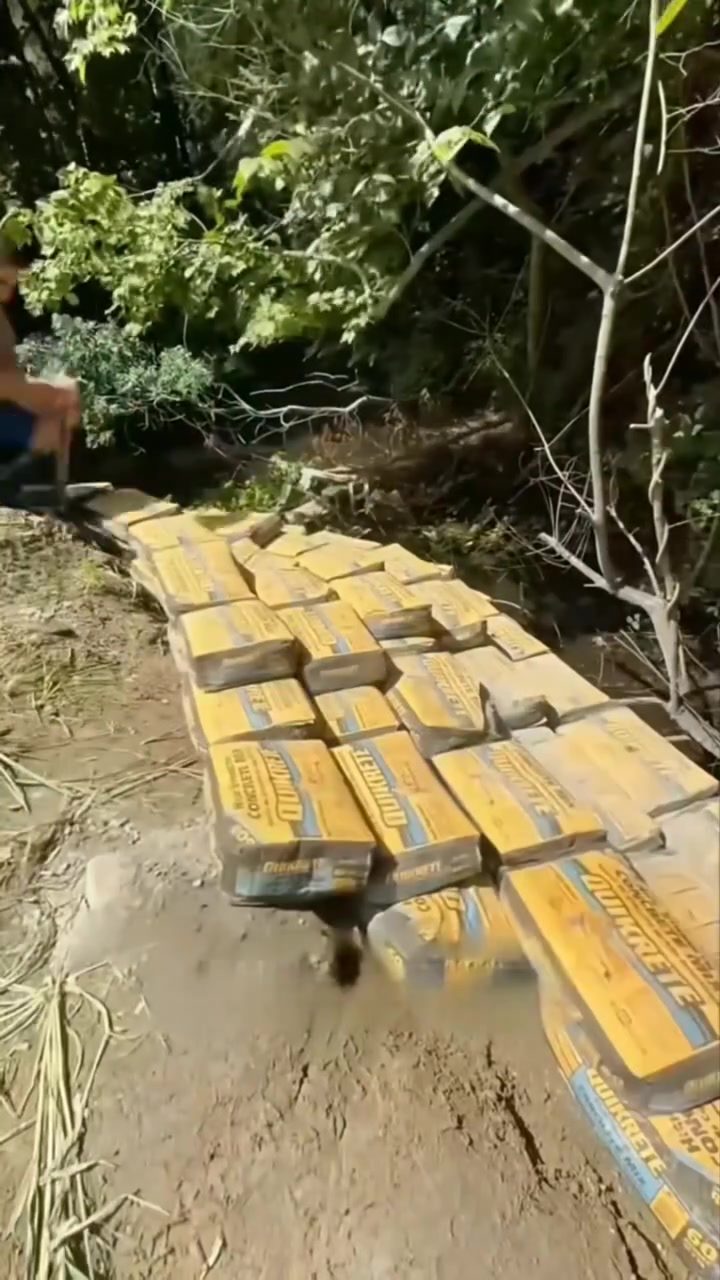
Concrete bags are a popular choice for building retaining walls in the United States, and it’s not just about saving time or money. This method, often seen as less aesthetically pleasing than traditional brick walls, offers a variety of practical benefits. The use of concrete bags, often recognized as Quikrete, is a testament to their versatility and durability. Let’s explore why Americans prefer using concrete bags in retaining wall construction and how these bags can be an effective and efficient solution.
Why This Matters
Retaining walls play a crucial role in preventing soil erosion and maintaining the structural integrity of slopes and banks. The choice between concrete bags and bricks for retaining walls often depends on several factors, including cost, time, and durability. Concrete bags, particularly those from brands like Quikrete, offer a quick and cost-effective method for building sturdy retaining walls. This method is especially popular for DIY projects and small-scale construction.
The Process and Benefits
Step-by-Step Assembly
Building a retaining wall with concrete bags is straightforward and efficient. Here’s a step-by-step guide to the process:
-
Leveling the Bank: The first step is to level the eroded bank. This ensures a stable foundation for the wall. Leveling is crucial for preventing any future settling or shifting of the wall.
-
Stacking the Bags: Workers then stack concrete bags tightly together in a staggered pattern, similar to how bricks are laid. This staggered arrangement, also called a “running bond pattern,” enhances the wall’s strength and stability. The overlapping pattern helps distribute weight evenly and prevents soil from washing out.
-
Curing and Hardening: If the wall is constructed near a river or lake, the surrounding water aids in the curing process. As the concrete cures, the soft bags harden into solid blocks. These blocks fit the shape of the bank, providing a solid barrier that prevents soil erosion.
-
Backfilling: Finally, the wall is backfilled with soil. This step creates a simple yet effective barrier against erosion. The backfill helps anchor the wall and provides additional support and stability.
Key Advantages
- Cost-Effectiveness: Concrete bags are generally cheaper than bricks, making this method more affordable for budget-conscious builders.
- Speed: This method is much faster. The process of stacking and curing is quicker, allowing for faster completion.
- Flexibility: Concrete bags can be easily manipulated to fit the shape of the bank, making them ideal for uneven or irregular surfaces.
- Strength: Despite their affordability, concrete bags provide a strong and durable barrier against soil erosion.
Practical Tips
Choosing the Right Concrete Bags
When selecting concrete bags, it’s essential to choose a reputable brand like Quikrete. Look for bags labeled as "High Strength" with a quick set time, ideally 60 minutes. This ensures that the bags will set quickly and provide the necessary strength for the wall.
Preparing the Site
Before starting construction, ensure that the site is properly prepared. This includes leveling the bank, removing any debris, and ensuring that the area is clear of any obstructions. Proper site preparation is crucial for the longevity and effectiveness of the retaining wall.
Stacking Techniques
Pay attention to the stacking pattern. A staggered pattern, similar to bricklaying, provides the best stability and strength. Ensure that the bags are tightly packed and that the seams are well-aligned. This helps prevent soil from washing out and adds to the overall durability of the wall.
Curing and Backfilling
If possible, let the concrete cure naturally with the help of surrounding water. If the wall is on dry land, ensure that the bags are kept moist to aid in the curing process. Once the concrete has set, backfill the wall with soil to provide additional support and stability.
Maintenance
Even though concrete bag walls are durable, regular maintenance is essential. Inspect the wall periodically for any signs of wear or damage, and address any issues promptly to prevent further deterioration.
Important Takeaways
Concrete bags offer a practical and efficient solution for building retaining walls. The process of stacking, curing, and backfilling is straightforward, making it an ideal DIY project. While it may not look as refined as a brick wall, the cost-effectiveness, speed, and durability of concrete bags make them a popular choice for small retaining walls and DIY enthusiasts. Although it may not be the most aesthetically pleasing option, the functional benefits are substantial.
Conclusion
Using concrete bags to build retaining walls is a smart and efficient choice. It offers a practical and cost-effective solution for preventing soil erosion and maintaining the structural integrity of slopes and banks. For those looking for a quick, affordable, and durable way to build a retaining wall, concrete bags are an excellent option. By following the steps outlined and choosing the right materials, you can create a robust and effective barrier that will stand the test of time.
Questions readers ask
Why are concrete bags a popular choice for retaining walls in the U.S.?
Concrete bags are favored for their durability, versatility, and cost-effectiveness. They provide a strong, long-lasting solution for preventing soil erosion and maintaining structural integrity in slopes and banks. Additionally, they are easy to use, making them a popular choice among DIYers and contractors alike.
What are the advantages of using concrete bags over bricks for retaining walls?
Concrete bags offer several advantages over bricks. They are generally less expensive and quicker to install. They also provide excellent soil retention and are more resistant to water damage, making them a practical choice for various landscaping needs.
What are concrete bags primarily made of and how do these materials benefit retaining walls?
Concrete bags are typically made from a mixture of cement, sand, and aggregates. Once filled and cured, they form a solid, heavy-duty structure that effectively retains soil and prevents erosion, especially in areas with sloping terrain.
Can concrete bags be used to create different retaining wall patterns and designs?
Yes, concrete bags can be arranged in various patterns and designs to suit different aesthetic and functional needs. While they may not offer the same visual appeal as bricks, their flexibility in construction allows for unique and effective retaining wall solutions.
How do concrete bags compare to other soil retention solutions in terms of cost and installation?
Concrete bags are often a cheaper option compared to other soil retention solutions like poured concrete or natural stone. They are also relatively easy to install, making them an attractive option for DIY projects and cost-conscious contractors.
Are there any specific brands of concrete bags that are commonly used in the U.S. for retaining walls?
Quikrete is one of the most recognized brands for concrete bags used in retaining wall construction. Known for their quality and reliability, Quikrete bags are a popular choice among DIYers and professionals for building sturdy and durable retaining walls.
Recent articles
Fresh deep dives from the latest Reels we unpacked.




Comments
Be the first to comment.