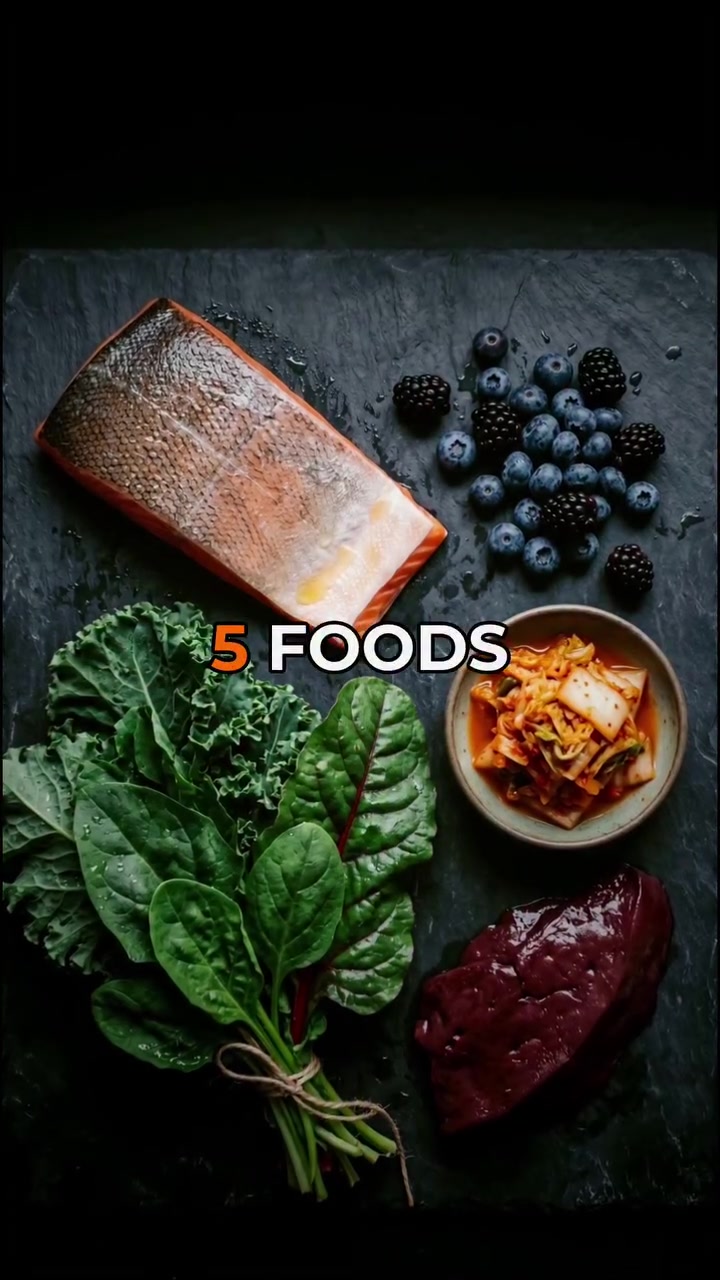
The Top Five Foods That Keep Your Body Running
Wild salmon, leafy greens, berries, fermented foods, and beef liver. These are not the trendy superfoods you often hear about in the latest #cleaneating meme, They are proven by research to contain nutrients our bodies depend on. And the internet makes it strangely easy to compare them to the savory dishes we actually consume on a day-to-day basis—like Korean kimchi, for example.
The Daily Dozen That Supports You
The creator has broken down the five into a ranking along with some other foods, highlighting a mix of vitamins and minerals. Together, they contain essential nutrients, from omega-3 fatty acids in wild salmon to vitamin K in leafy greens. Berries pack in polyphenols, and fermented foods promote gut health. Beef liver, the most complete food of this list, has vitamins A, B12, cooper, and folate These types of micronutrients have long been overlooked by many people. The five foods on earth touted in the video represent the best source of these nutrients. Vitamins K, A, and B12, for example, are critical for blood clotting, vision, and nervous system function, respectively. A rich source of nutrients, these five have been revered by many societies for centuries. These foods have sustained countless cultures. Today, as much as we’ve learned about the benefits of these foods, neglect them, but that’s starting to change.
A Parallel World of Micronutrients
Reconsidering the foods that every traditional culture once revered, like wild salmon, leafy greens, and fermented foods, each of these categories provides several benefits. Remember when salads were all about iceberg lettuce, and ranch dressing? That was the unofficial salad of the 80s. And more often than not, salmon was served smoked, or in a sandwich. The modern food trends have shifted this world of micronutrients, when it really counts, they come together to power your every day. Fermentation has also been a big part of the foods you see here. It’s been widely-used across cultures for centuries, and fermentation essentially refers to how microorganisms are used to break down and convert ingredients into a new food with unique properties. Sauerkraut, kimchi, and pickled vegetables benefit from this process. Together, they’ll diversify your gut microbiome. This diet of fermented foods makes a big difference, and isn’t this a great trend to get back into the mix.
The Best Omega-3 Source
'Wild salmon’ is not only what you find in a tuna salad, it also signifies a specific diet that cultivates a unique flavor profile. This is because many of the Omega-3s found in wild salmon are obtained through eating a diet of fresh fish. The natural oils in salmon contain a high quantity of Omega-3s, which are integral to your diet. This is one of the few foods that has the bulk of its nutritional content in the raw state. Omega-3 is abundant in salmon from the Pacific Northwest, and because of this, many foods are starting to resemble salmon. Wild salmon is not only about the fatty acids, it comes with lots of benefits like high levels of Vitamin D, which is impervious to the risks of sun exposure.
Presence and Purity
Vitamin D is found almost exclusively in animal sources. The sun is the major entity influencing how much vitamin D is in your body. While some foods are fortified with vitamin D, the best way to get the vitamin D you need is about spending time outdoors.
The Flavor Profile
Salmon is a type of fish that is rich in flavor. Its texture is moist and slightly oily, with a range of flavors based on the type. Wild caught salmon has a lighter color, contains more fats, and is often considered more flavorful than farmed salmon.
Leafy Greens: The Arsenal of Nutrition
Leafy greens vary in color and even flavor. They are usually tender and often have a distinct taste that ranges from mild to bitter. This includes Spinach, Kale, Collard Greens, Bok Choy, Beet Greens, and Turnip Greens. While kale is often preferred for its flavor, some of the other vegetables have unique flavors and textures. Leafy greens have been used in a variety of recipes, ensuring their place as a staple in the diet of many cultures.
The Richest Source of Folate
Many leafy greens are a rich source of folic acid, or Vitamin B9, which can help you produce red blood cells. Folate is the naturally occurring form of vitamin B9, a water-soluble vitamin that helps absorb, use, and metabolize many nutrients. Folate is a crucial nutrient, Folate deficiency is quite common among adults, which is about forty percent of women of childbearing age.
The Benefits of Magnesium
Magnesium is a major mineral that is involved in many bodily processes. It makes up a vital part of your body but magnesium deficiency is common. This mineral is essential for muscle and nerve function, blood sugar control, and blood pressure regulation, and it also helps make protein, bone, and DNA.
The Essential Vitamin K
Vitamin K is a group of vitamins that the body needs for blood clotting, healing, and building bones. This essential vitamin is found naturally in foods like leafy greens, fish, liver, and eggs. Deficiency in vitamin K is rare, and getting enough in your diet isn't hard to do. It's found in dark green vegetables like leafy greens. If you're having trouble getting enough, you can add a supplement to your diet.
The World of Fermented Foods
Each of these foods provide a laundry list of health benefits. Fermentation is the process of breaking down organic matter into new products, and when it comes to fermented foods, these are often made by simply placing vegetables in a fermenting liquid like brine. These foods were originally used as a means to preserve foods for when fresh foods were scarce.
Kimchi
Kimchi is a fermented Korean dish that consists of vegetables like cabbage and radishes. It can be seasoned with a variety of spices, and is often served with rice, noodles, or meat. Kimchi is rich in vitamin C, potassium, and fiber, and it also contains probiotics — making it a great food for gut health.
Kefir
Kefir is a fermented dairy product that is made from a mixture of bacteria and yeast. It is often used as a dairy product, and has a consistency that is similar to yogurt. Kefir is rich in protein, calcium, and phosphorous, and it can be found in the refrigerated section of your local grocery store.
The Power of Polyphenols
Berries are commonly enjoyed as a snack, topping for dessert, or sauce for meats. Each type of berry has its own unique flavor and texture, which can enhance any dish. They can also be used to make jams, jellies, and syrups. We’ve all heard about the health benefits of berries.
Darker is Better
Berries are a rich source of polyphenols. Blueberries, blackberries, and raspberries are all delicious and healthy options. Blueberries, for example, contain antioxidants that can help boost your immune system. They’re also a great source of fiber and vitamin C.
Real, Lasting Protection
All berries are great sources of antioxidants. Berries also contain antioxidants (called anthocyanins) that protect your cells from damage caused by harmful molecules known as free radicals, which are also linked to cancer. Studies are still ongoing, but recent findings have suggested that eating this category is associated with a lower risk of cardiovascular disease.
The Most Complete Food on the Planet
Beef liver is a potent source of protein and nutrients. It is a precious resource that should be respected and utilized for its nutritional value. It is a rich source of nutrients, and it’s often overlooked. This is a food that’s rich in nutrients, but it’s easy to forget how versatile this option is.
Adding the World’s Healthiest Foods to Your Diet
New trends on healthy eating can feel overwhelming, but it can be easy to incorporate more of these foods into your daily diet. Beverages made from these rich foods are an excellent starting point, and they can be included in a number of different dishes. Here are a few suggestions to add more of the world’s healthiest foods to your diet:
- Create a smoothie: Beets, leafy greens, and berries are all nutrient-dense additions to a smoothie. Simply blend a combination of these foods with your favorite beverage (you can also add some yogurt or kefir for a thicker consistency). Process until smooth, and drink it up.
- Diversity in Your Diet: One way to add more fermented foods to your diet is by incorporating a variety of foods and trying new recipes. This will diversify your diet. This will diversify the types of bacteria in the gut, and enhance your nutrition. People believe that fermented foods help you digest them. The best thing about fermented foods is that you can include them in almost any dish.
- Vitamin A-rich recipes: Eat beef liver once a week. We know it’s not everyone’s favorite, but it’s a great source of vitamins, and it’s easy to incorporate into a number of different recipes. If you are looking to incorporate beef liver into your diet, try a delicious beef liver and onion stir-fry.
The Trouble with Trying to Find Omega-3 Fatty Acids
You can get all the Omega-3s you need by eating wild salmon, but it can sometimes be a hassle to prepare. And some people look for ways to substitute the Omega-3s found in fish. The key is to have a healthy diet. In these cases, you can find Omega-3 fatty acids in a pill form. You can even find Omega-3-rich plant-based fats, like chia seeds and flaxseeds. The key is understanding what you’re using and the effects it’s having on your body.
Questions readers ask
What makes wild salmon one of the healthiest foods on earth?
Wild salmon is rich in omega-3 fatty acids, which are crucial for heart health and reducing inflammation. It also provides a significant amount of vitamin D, which is essential for bone health and immune function. The natural oils in salmon contain a high quantity of these nutrients, making it a powerhouse of health benefits.
Can I get the same benefits from farmed salmon as I can from wild salmon?
While farmed salmon can still provide some health benefits, wild salmon is generally considered superior due to its higher content of omega-3 fatty acids and lower levels of contaminants. The diet of wild salmon, which includes fresh fish, contributes to its unique flavor profile and nutritional content.
How do leafy greens contribute to my health?
Leafy greens are packed with vitamin K, which is vital for blood clotting and bone health. They also contain a variety of other vitamins and minerals, such as vitamin A and folate. Leafy greens are incredibly versatile and can be easily incorporated into salads, smoothies, and cooked dishes, making them a convenient addition to a healthy diet.
What are the benefits of consuming fermented foods like kimchi and sauerkraut?
Fermented foods promote gut health by diversifying your gut microbiome. They are rich in probiotics, which can improve digestion and boost your immune system. These foods have been a part of many cultures for centuries and are now gaining popularity again as people recognize their health benefits.
Why is beef liver considered one of the most complete foods?
Beef liver is a nutritional powerhouse, containing a wide range of vitamins and minerals, including vitamins A, B12, copper, and folate. These nutrients are essential for various bodily functions, such as vision, nervous system health, and blood clotting. Beef liver is particularly beneficial for those who may be deficient in certain vitamins.
How can I incorporate these foods into my daily diet?
These foods can be easily incorporated into your daily diet through various means. Wild salmon can be baked, grilled, or added to salads. Leafy greens can be used in salads, smoothies, or as a side dish. Berries can be eaten as a snack or added to yogurt and oatmeal. Fermented foods like kimchi and sauerkraut can be used as condiments or added to meals. Beef liver can be cooked and added to stews, soups, or eaten as a paté.
Related deep dives
Similar reads based on topic and creator.




Recent articles
Fresh deep dives from the latest Reels we unpacked.




Comments
Be the first to comment.