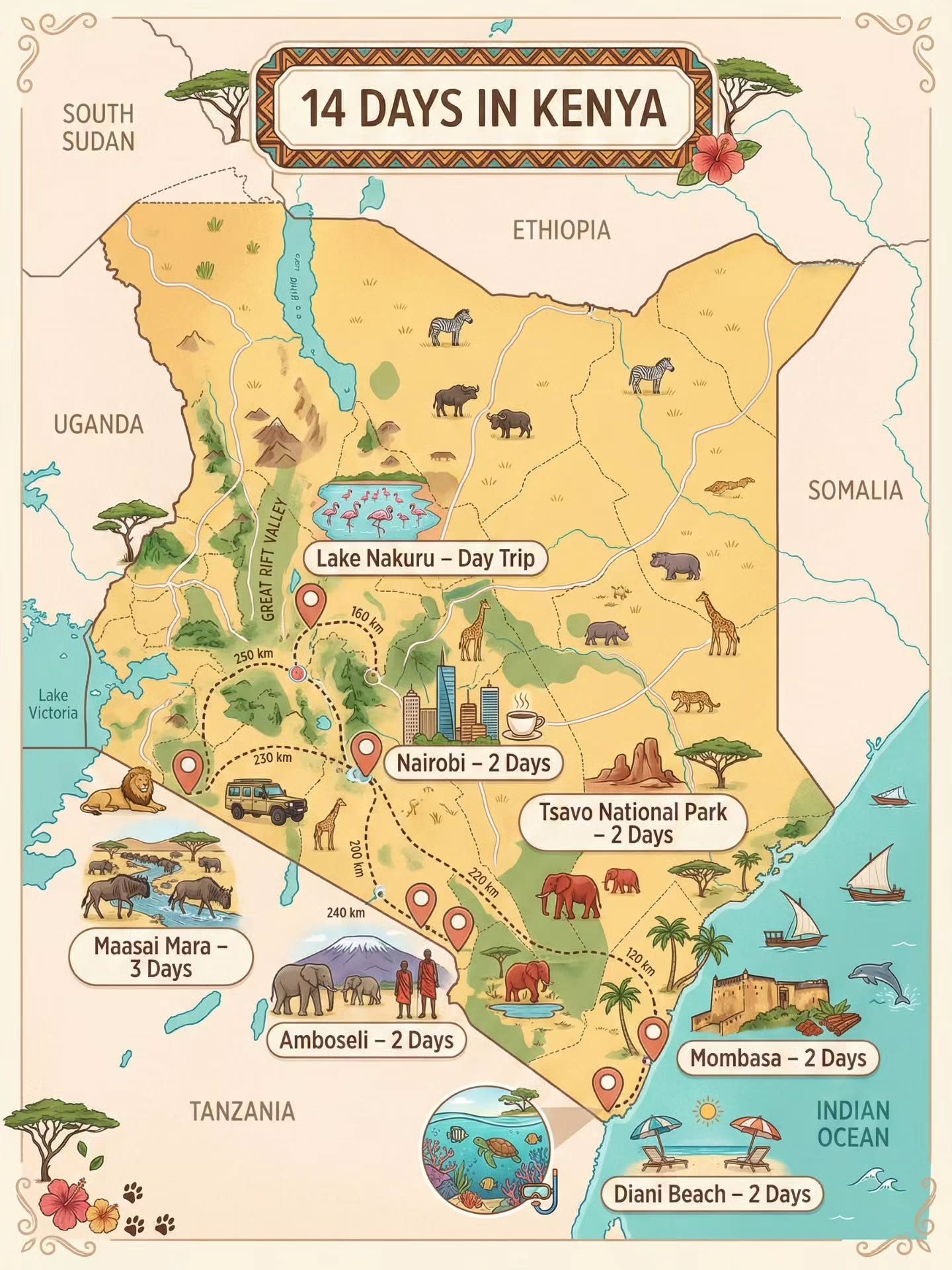
Embarking on a 14-Day Kenya Adventure: The Ultimate Itinerary
Kenya is a land of contrasts, from the vast savannahs of the Maasai Mara to the pristine beaches of the Indian Ocean. A 14-day itinerary offers a comprehensive experience of this diverse country, covering key destinations that showcase its natural beauty, wildlife, and cultural richness. This itinerary is designed to help travelers make the most of their time, ensuring a memorable journey through Kenya's highlights.
Why This Matters
Kenya is renowned for its wildlife safaris, but it also offers stunning landscapes, vibrant cultures, and a mix of urban and rural experiences. A well-planned 14-day itinerary allows for a deep dive into these elements, providing a balanced adventure that caters to various interests.
Main Discussion
Kenya’s Highlights
Nairobi: The Urban Hub
Nairobi, the capital of Kenya, is a bustling metropolis that serves as a gateway to the country's natural wonders. With a stay of two days, travelers can explore the Nairobi National Park, home to a diverse range of wildlife including lions, rhinos, and giraffes. The city also offers cultural attractions like the Karen Blixen Museum and the David Sheldrick Wildlife Trust, which provides a unique opportunity to interact with orphaned elephants.
Lake Nakuru: A Day of Tranquility
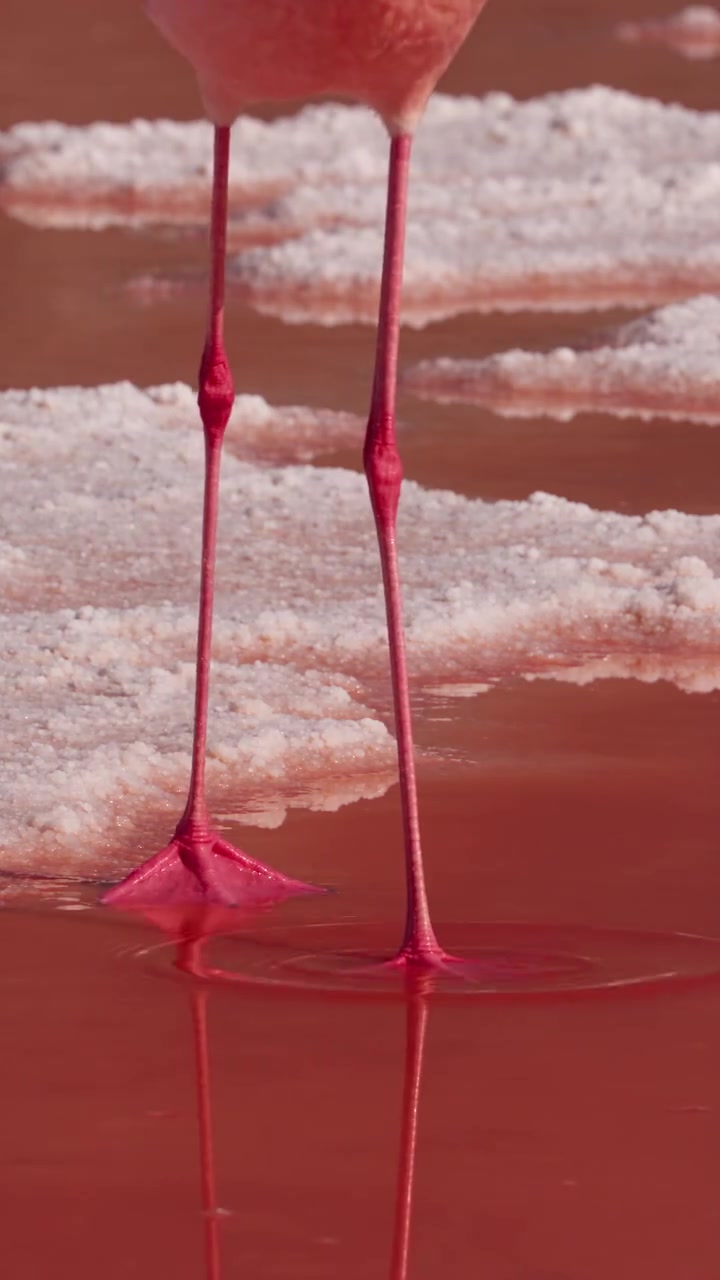
Lake Nakuru, located in the heart of the Great Rift Valley, is a day trip destination from Nairobi. The lake is famous for its flamingo population and diverse birdlife, making it a paradise for birdwatchers. Additionally, the surrounding Lake Nakuru National Park is home to numerous game species, including the rare black and white rhinos.
Tsavo National Park: The Largest National Park in Kenya
Tsavo National Park, spanning over 22,000 square kilometers, is the largest national park in Kenya. A two-day stay allows visitors to explore its vast landscapes, which include savannahs, scrublands, and rocky outcrops. The park is renowned for its large elephant herds and the iconic "red elephants" that are coated in red volcanic dust. Traveling between Nairobi and Tsavo involves a 250-kilometer journey, making it a significant part of the itinerary.
Maasai Mara: The Ultimate Safari
The Maasai Mara, home to the annual wildebeest migration, is a must-visit destination for any safari enthusiast. With three days dedicated to this region, travelers can witness the dramatic migration, interact with the local Maasai people, and explore the vast savannahs teeming with wildlife. The journey from Tsavo to the Maasai Mara covers 230 kilometers, leading to an immersive wilderness experience.
Amboseli National Park: Majestic Views
Amboseli National Park, located near the Tanzanian border, offers stunning views of Mount Kilimanjaro. A two-day stay in Amboseli provides ample time to witness the park's diverse wildlife, including large herds of elephants, lions, and cheetahs. The drive from the Maasai Mara to Amboseli spans 160 kilometers, ensuring a scenic journey through the Kenyan countryside.
Coastal Escapades
Mombasa: Cultural and Historical Treasures
Mombasa, a coastal city rich in history, offers a blend of Swahili culture, colonial architecture, and modern amenities. Two days in Mombasa allow visitors to explore Fort Jesus, a UNESCO World Heritage Site, and the Old Town, known for its narrow streets and vibrant markets. The city also serves as a gateway to beautiful beaches and water activities, enhancing the overall experience.
Diani Beach: Paradise on Earth
Diani Beach, located just south of Mombasa, is a slice of paradise. With two days dedicated to this pristine beach, travelers can indulge in sunbathing, water sports, and relaxation. The beach is known for its white sand, clear waters, and lush vegetation, offering a tranquil escape after the adventures of the safari.
The Indian Ocean: A Gateway to Paradise
The Indian Ocean, which borders Kenya on its eastern side, provides a stunning backdrop to the country's coastal regions. Its azure waters and coral reefs offer opportunities for diving, snorkeling, and other water activities, making it a highlight of the itinerary.
Practical Tips
Planning a 14-day trip to Kenya requires careful consideration of several factors:
Timing and Seasons
The best time to visit Kenya is during the dry season, from June to October, when wildlife viewing is at its peak. This period also coincides with the Great Wildebeest Migration in the Maasai Mara, making it an ideal time for a safari. However, the short rainy season from November to December can offer lush landscapes and fewer tourists.
Accommodation
Choosing the right accommodation is crucial for a comfortable journey. Options range from luxury lodges and camps to budget-friendly campsites, depending on your preferences and budget. Booking in advance is recommended, especially for high-demand periods and popular destinations.
Health and Safety
Visitors to Kenya should ensure they are up-to-date with necessary vaccinations and medications, especially for malaria prevention. It is also advisable to carry a first-aid kit and stay hydrated throughout the trip. Traveling with a reputable tour operator can enhance safety and provide reliable support.
Budgeting
Budgeting for a 14-day trip involves considering transportation, accommodation, meals, and activities. Safaris and wildlife viewing can be the most significant expenses, so planning accordingly is essential. Local guides, park entrance fees, and optional activities like hot air balloon rides or cultural experiences should also be factored into the budget.
Important Takeaways
Embarking on a 14-day Kenya itinerary offers a comprehensive experience of the country's diverse landscapes, vibrant cultures, and wildlife. By including destinations such as Nairobi, Lake Nakuru, Tsavo National Park, Maasai Mara, Amboseli, Mombasa, and Diani Beach, travelers can explore the best of Kenya in a balanced and enriching journey.
Conclusion
A 14-day itinerary in Kenya promises an unforgettable adventure, blending wildlife sightings, cultural encounters, and coastal relaxation. Whether you are a seasoned traveler or a first-time visitor, this itinerary ensures a well-rounded experience, showcasing the beauty and diversity of Kenya. From the urban vibrancy of Nairobi to the serenity of Diani Beach, this journey is designed to leave lasting memories and a deep appreciation for the wonders of Kenya.
Questions readers ask
What is the best time to visit Kenya for a 14-day itinerary?
The best time to visit Kenya for a 14-day itinerary is during the dry season, from July to October. During these months, wildlife viewing is excellent, as animals gather around water sources, and the weather is generally pleasant with little rainfall. Additionally, June and November can be good options, but they may have short periods of rain.
How do I get from Nairobi to Mombasa?
Traveling from Nairobi to Mombasa can be done by several means. The most common method is by flight, which takes about 1.5 hours. Alternatively, you can take a scenic train ride (SGR) that takes approximately 4.5 hours, or a bus which takes around 8-9 hours. For a more flexible and adventurous option, consider renting a car or joining a guided tour.
What are the top safari parks to visit in Kenya?
Kenya is famous for its diverse safari parks. Some of the top parks to visit include the Maasai Mara, known for the Great Migration; Amboseli National Park, offering stunning views of Mount Kilimanjaro; Tsavo National Park, famous for its red elephants and vast landscapes; and Lake Nakuru National Park, renowned for its flamingos and rhinos.
Is it safe to visit Kenya?
Kenya is generally safe for tourists, with most visits being trouble-free. However, it's important to stay informed about any travel advisories for the regions you plan to visit. Stick to well-known tourist areas, use reputable tour operators, and follow standard safety precautions such as avoiding isolated areas and keeping valuables secure. Always consult your embassy's travel advice before your trip.
What should I pack for a Kenya safari and beach holiday?
For a Kenya safari and beach holiday, pack a mix of clothing suitable for both activities. Include lightweight, breathable clothing for safaris, a warm jacket for early mornings and evenings, sturdy shoes, a hat, sunscreen, and binoculars. For the beach, pack swimwear, beach towels, and a good book. Don't forget essentials like insect repellent, a reusable water bottle, and a camera with extra batteries.
What is the Great Migration and when is the best time to see it?
The Great Migration is an annual event where millions of wildebeest, zebra, and other herbivores move between the Maasai Mara in Kenya and the Serengeti in Tanzania in search of fresh grazing lands and water. The best time to see this natural spectacle is from July to October, with the peak months being August and September, when the wildebeest cross the Mara River.
Related deep dives
Similar reads based on topic and creator.
Recent articles
Fresh deep dives from the latest Reels we unpacked.



Comments
Be the first to comment.