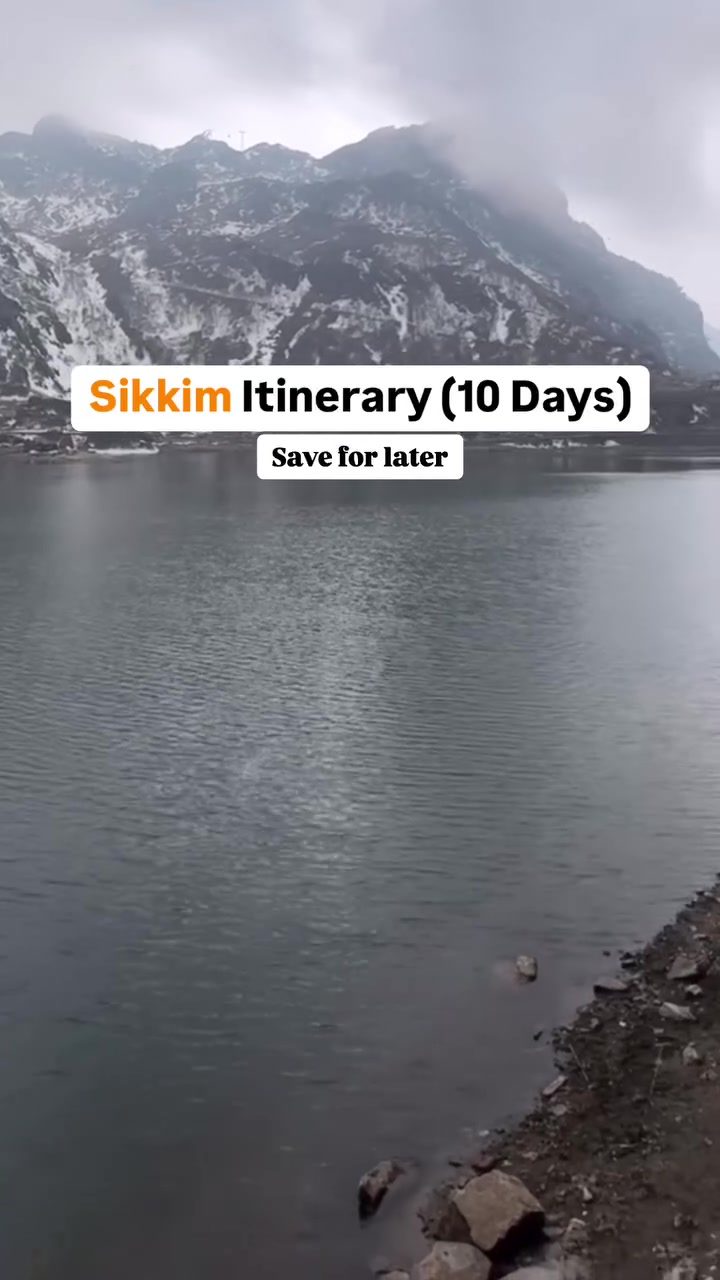
Sikkim in 10 Days: A Comprehensive Itinerary
Sikkim, a landlocked state in northeastern India, is renowned for its breathtaking landscapes, rich culture, and spiritual sites. A 10-day itinerary in Sikkim offers a mix of adventure, sightseeing, and cultural immersion. Here’s a detailed guide to help you plan your journey, covering key destinations and activities.
Why Sikkim Matters
Sikkim is a paradise for nature lovers and adventure enthusiasts. Its diverse topography includes towering mountains, serene lakes, and lush forests. The state is also home to numerous monasteries, offering a deep dive into Buddhist culture. With a 10-day itinerary, you can explore the best of Sikkim, from its natural wonders to its cultural treasures.
Planning Your 10-Day Itinerary
Days 1-3: Gangtok
Start your journey in Gangtok, the capital of Sikkim. Spend the first three days exploring this bustling city and its surroundings.
-
Day 1: Arrival and Acclimatization
- Arrive in Gangtok and check into your hotel.
- Spend the day acclimatizing to the altitude and exploring local markets like MG Marg and Lal Market.
- Visit the Directorate of Handicrafts and Handlooms to buy traditional Sikkimese handicrafts.
-
Day 2: Tsomgo Lake and Baba Mandir
- Early morning drive to Tsomgo Lake, also known as Changu Lake.
- Enjoy the scenic drive and the beauty of the lake.
- Proceed to Baba Mandir, a sacred shrine dedicated to an Indian soldier.
- Return to Gangtok in the evening.
-
Day 3: Gangtok Sightseeing
- Visit Rumtek Monastery, one of the largest and most important monasteries in Sikkim.
- Explore the Institute of Tibetology, which houses a vast collection of Tibetan artifacts and manuscripts.
- Visit the Namgyal Research Institute of Tibetology and the Flower Exhibition Center.
Day 4: Gurudongmar Lake and Lachung
Day 4 is dedicated to Gurudongmar Lake and Lachung, offering a mix of natural beauty and adventure.
-
Early Morning Drive to Gurudongmar Lake
- Start your day early with a drive to Gurudongmar Lake, one of the highest lakes in the world.
- Enjoy the stunning views of the lake and the surrounding mountains.
- Visit Kala Patthar, a vantage point offering panoramic views of the lake and the Himalayas.
-
Bhim Nala Waterfall and Lachung
- On your way to Lachung, stop by Bhim Nala Waterfall.
- Explore the waterfall and enjoy the natural beauty.
- Overnight in Lachung, a picturesque town known for its apple orchards and serene environment.
Days 5-6: Yumthang Valley and Zero Point
Spend the next two days exploring Yumthang Valley and Zero Point, both known for their natural beauty and scenic landscapes.
-
Day 5: Yumthang Valley
- Visit Yumthang Valley, a lush green valley surrounded by snow-capped peaks.
- Explore the valley, which is home to various flora and fauna, including the endangered red panda.
- Visit the Shingba Rhododendron Sanctuary and enjoy the natural beauty.
-
Day 6: Zero Point
- Early morning drive to Zero Point, the last point where civilians are allowed to go.
- Enjoy the scenic drive and the stunning views of the Himalayas.
- Return to Gangtok in the evening.
Day 7: Pelling Sightseeing
Pelling, a small town in western Sikkim, is known for its monasteries and scenic views.
-
Visit Sky Walk and Chenrezig Statue
- Start your day with a visit to the Sky Walk, a suspension bridge offering panoramic views of the mountains.
- Visit the Chenrezig Statue, one of the tallest statues in Sikkim.
-
Explore Rabdentsse Ruins and Pemayangtse Monastery
- Visit the Rabdentsse Ruins, the ruins of an ancient palace.
- Explore Pemayangtse Monastery, one of the oldest and most important monasteries in Sikkim.
Days 8-9: Ravangla and Teesta River
Spend the next two days in Ravangla and along the Teesta River, offering a mix of adventure and relaxation.
-
Day 8: Ravangla
- Visit the Tathagata Tsal, a 135-foot-tall statue of the Buddha.
- Explore the Rinchenpong Monastery and the Rayong Sunrise View Point.
- Enjoy a leisurely stroll through the lush forests and tea gardens.
-
Day 9: Teesta River
- Spend the day by the Teesta River, enjoying river rafting and other water sports.
- Visit the Teesta Bridge and enjoy the scenic views.
Day 10: Return to Gangtok
On your final day, return to Gangtok and prepare for your departure.
- Shop and Relax
- Spend the day shopping for local handicrafts and souvenirs.
- Relax and enjoy your last moments in Sikkim.
Practical Tips
-
Best Time to Visit:
- April to May: Peak season with blooming flowers and lush greenery.
- September to November: Clear views of Kanchenjunga and pleasant weather.
- December to February: Ideal for snowfall, but some parts of north Sikkim may be closed.
-
Packing Essentials:
- Warm clothes, as temperatures can drop significantly.
- Comfortable walking shoes.
- Sunscreen and a hat for sun protection.
- A water bottle and snacks for your journeys.
Important Takeaways
- Sikkim is a land of diverse landscapes and rich culture. From the serene lakes of Gurudongmar to the bustling streets of Gangtok, every destination offers a unique experience.
- Plan your days carefully to make the most of your 10-day itinerary. Each destination has its own charm and offers something unique.
- Sikkim is a paradise for nature lovers and adventure enthusiasts. Whether you’re looking for a peaceful retreat or an adventure-filled holiday, Sikkim has something for everyone.
Conclusion
A 10-day itinerary in Sikkim is a perfect blend of natural beauty, adventure, and cultural immersion. From the serene lakes and mountains to the bustling cities and ancient monasteries, Sikkim offers a unique experience. Plan your trip carefully, and you’ll create memories that will last a lifetime. Enjoy your journey through the beautiful landscapes and rich culture of Sikkim.
Questions readers ask
What are the must-visit monasteries in Sikkim during a 10-day trip?
Sikkim is home to numerous ancient monasteries. Key monasteries to visit include Rumtek Monastery, Pemayangtse Monastery, and Enchey Monastery. Each offers unique insights into Buddhist culture and architecture, making them essential stops for cultural immersion.
What adventure activities can I enjoy in Sikkim during my 10-day visit?
Sikkim offers a plethora of adventure activities. You can go trekking in the Himalayas, visit Gurudongmar Lake, or explore the Yumthang Valley. For thrill-seekers, river rafting in Teesta River and mountain biking in the rugged terrain are also available.
How can I make the most of my 10-day itinerary in Sikkim?
To maximize your 10-day itinerary, plan to visit key destinations like Gangtok, Lachung, and Lachen. Ensure you include visits to serene lakes such as Gurudongmar Lake and Tsomgo Lake, as well as cultural sites like monasteries. Balancing sightseeing with adventure activities will provide a well-rounded experience.
What is the best time to visit Sikkim for a 10-day trip?
The best time to visit Sikkim is from March to June, when the weather is pleasant and ideal for outdoor activities. The months of September to November are also favorable, offering clear skies and mild temperatures. Avoid the monsoon season from July to August, as heavy rainfall can disrupt travel plans.
Is it necessary to hire a guide for a 10-day trip to Sikkim?
Hiring a guide is not mandatory but recommended for a 10-day trip to Sikkim. A local guide can provide valuable insights into the culture, help navigate difficult terrains, and ensure a smooth experience, especially when visiting remote areas like Lachung and Lachen. Additionally, guides can assist with language barriers and logistics.
What are the top nature tours in Sikkim for a 10-day visit?
Sikkim offers a variety of nature tours. Highlights include the Tsomgo Lake tour, which offers breathtaking views of the surrounding mountains, and the Yumthang Valley tour, known for its hot springs and vibrant rhododendron forests. Trekking in the Kanchenjunga National Park and visiting the Zuluk Pass are also popular choices.
What are some essential travel tips for a 10-day trip to Sikkim?
Ensure you carry warm clothing, as temperatures can drop significantly, especially at higher altitudes. Carry appropriate travel documents and permits, as Sikkim is a protected area. Stay hydrated and be prepared for altitude sickness. Lastly, respect local customs and traditions for a more immersive and enjoyable experience.
Related deep dives
Similar reads based on topic and creator.

Recent articles
Fresh deep dives from the latest Reels we unpacked.




Comments
Be the first to comment.