Animal Protein vs Plant Protein for Muscle Growth
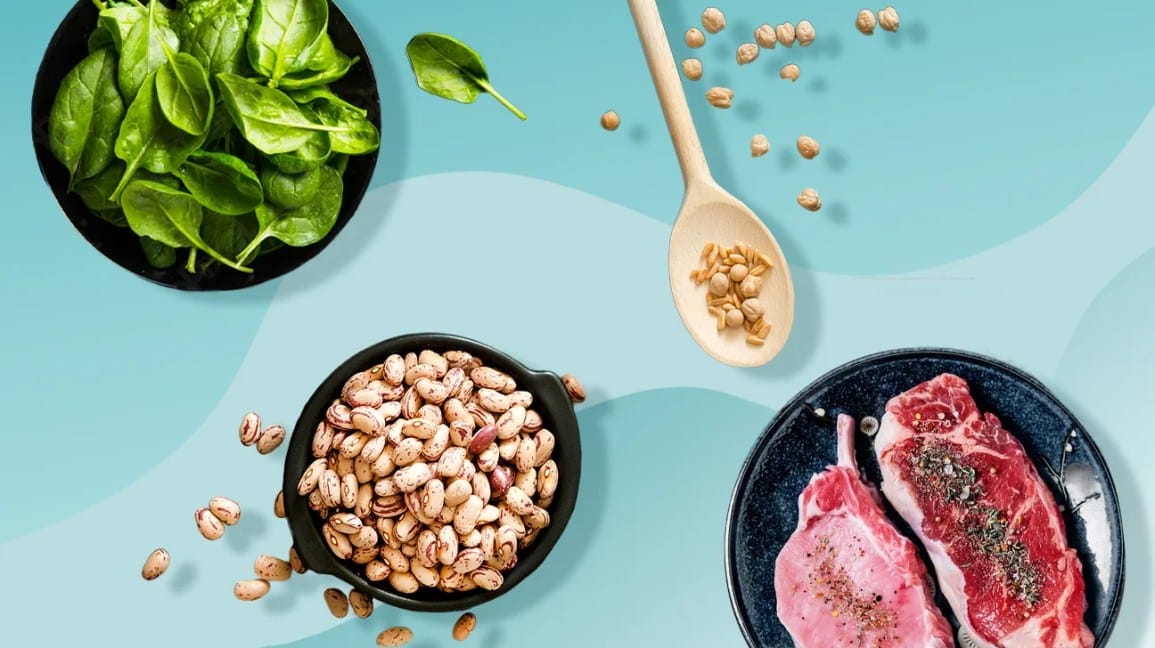
Are you fuelling your muscles with the right stuff? With the fitness world going gah-gah over protein, the debate rages on - animal or plant protein: which one wins the muscle-building game? As gym-goers and athletes obsess over gains, new research drops a bombshell: a 2023 study reveals that plant-based protein can be just as effective as animal protein for muscle growth, if planned right. So, what's the scoop? Let's dive into the protein showdown and uncover the facts behind the hype, starting with what your muscles really need to grow.
The Protein Puzzle for Muscle Growth
You're serious about building muscle, and you know protein is key. But with so many options out there, it's easy to get lost in the debate: animal vs plant protein? Let's break it down. Protein is the building block of muscle tissue, and adequate intake is crucial for growth and repair. As Dr. Stuart Phillips, a renowned protein researcher, puts it, "Protein is the critical nutrient for muscle growth and maintenance."
Here's the thing: animal proteins like whey, casein, and egg are considered high-quality proteins because they contain all nine essential amino acids (EAAs) your body needs. These EAAs, particularly leucine, trigger muscle protein synthesis (MPS), the process that drives muscle growth. For example, a study published in the Journal of Applied Physiology found that whey protein supplementation stimulated MPS more effectively than plant-based proteins.
Amino Acid Profiles Differ
Plant proteins, on the other hand, often lack one or more EAAs. For instance, legumes like beans and lentils are low in methionine, while grains like rice and wheat are limited in lysine. However, this doesn't mean plant proteins are off the table. By combining different plant sources, you can create a complete amino acid profile. Think peanut butter on whole wheat bread or lentil soup with quinoa.
- Animal proteins: whey, casein, egg, meat, fish, dairy
- Plant proteins: legumes, beans, lentils, tofu, tempeh, seitan
The bottom line? Both animal and plant proteins can support muscle growth, but the key is adequate protein intake and a well-planned diet. The International Society of Sports Nutrition recommends 1.6-2.2 grams of protein per kilogram of body weight daily for athletes and those looking to build muscle. Stay tuned: we'll dive deeper into the pros and cons of each protein source and explore optimal timing and combinations for maximum muscle growth.
What Makes Animal Protein Unique
When it comes to building muscle, animal protein is often considered the gold standard. And for good reason - animal proteins are complete proteins, meaning they contain all nine essential amino acids (EAAs) your body needs for muscle growth and repair. This is particularly important because your body can't produce these EAAs on its own; you need to get them through your diet.
One key aspect that sets animal protein apart is its bioavailability. See, when you eat animal protein, your body can absorb and utilize the amino acids more efficiently. We're talking about a bioavailability score of around 90-100% for animal proteins like whey, casein, and eggs. For example, a study found that whey protein isolate has a Protein Digestibility Corrected Amino Acid Score (PDCAAS) of 1.0, the highest possible score! This means your body can make the most of the protein you're consuming to support muscle synthesis.
Branched-Chain Amino Acids (BCAAs): The Muscle-Building Powerhouses
Animal proteins are also rich in branched-chain amino acids (BCAAs) like leucine, isoleucine, and valine. Leucine, in particular, is a key player in muscle protein synthesis. It's like the spark plug that ignites the process, activating a pathway called mTOR that tells your muscles to start building. Research shows that consuming leucine-rich protein sources like whey protein can help stimulate muscle protein synthesis more effectively than plant-based proteins.
- Whey's got about 11% leucine content, making it a top choice for post-workout recovery
- Eggs contain around 8-9% leucine, making them a great option for breakfast
- Grass-fed beef? That's a whopping 8-10% leucine too!
Now, does this mean plant proteins are off the table? Not at all! There's room for both in a balanced diet. But understanding the unique benefits of animal protein can help you make informed choices about your nutrition strategy.
The Power of Plant Proteins
You know how people often think plant proteins are inferior? Well, that's just not true. With a bit of planning, plant proteins can be just as effective for muscle growth as animal proteins. Take rice and beans, for example - they're a classic combo that gives you all the essential amino acids your muscles need.
One of the biggest perks of plant proteins is they're high in fiber and antioxidants, and low in saturated fats. Like, a cup of cooked lentils gives you about 18 grams of protein and a whopping 16 grams of fiber. Compare that to a chicken breast, which has about 30 grams of protein but zero fiber. Plus, plant proteins like quinoa, chia seeds, and flaxseeds are packed with heart-healthy fats and micronutrients.
Protein Powerhouses
Some plant proteins are real standouts when it comes to protein density. Soy protein, for instance, is a complete protein and contains all the essential amino acids your body needs. One scoop of soy protein powder can give you up to 50 grams of protein. Other high-protein plant options include hemp protein, pea protein, and spirulina. These can be super convenient for post-workout shakes or adding a boost to your meals.
- Rice and beans: A complete protein combo that's easy to add to meals
- Lentils: Packed with protein, fiber, and iron
- Soy protein: A high-protein, versatile option for shakes and meals
Building muscle is all about getting the right nutrients, and plant proteins can definitely deliver. Whether you're vegan, vegetarian, or just looking to mix up your protein sources, plants have got you covered. By combining different plant proteins and incorporating them into your diet, you can support muscle growth and overall health.
Muscle Protein Synthesis: Animal vs Plant
When it comes to building muscle, protein synthesis is where the magic happens. And here's the deal: animal proteins tend to stimulate muscle protein synthesis more effectively than plant proteins. Studies have shown that the amino acid profile of animal proteins, particularly the high leucine content, is a key factor in this difference. For example, a study by Brad Schoenfeld, a renowned researcher in muscle growth, found that animal-based proteins promote greater muscle protein synthesis compared to plant-based proteins.
The Power of Leucine
Leucine is a branched-chain amino acid (BCAA) that's crucial for muscle growth. Animal proteins like whey, casein, and eggs are rich in leucine, which is why they're often considered superior for muscle growth. Plant proteins, on the other hand, tend to be lower in leucine. However, this doesn't mean plant proteins can't be effective. A study published in the Journal of the International Society of Sports Nutrition found that combining plant proteins like rice and pea can provide a comparable amino acid profile to animal proteins.
The key is proper planning and combination. By mixing different plant protein sources, you can achieve a balanced amino acid profile that supports muscle growth. For example, pairing legumes (lentils, chickpeas) with whole grains (quinoa, brown rice) can provide all the essential amino acids your body needs.
Protein timing and distribution also play a critical role in muscle growth. Research suggests that spreading protein intake throughout the day, aiming for 20-30 grams per meal, can help maximize muscle protein synthesis. Whether you're consuming animal or plant proteins, consistency is key.
Ultimately, it's not just about animal vs plant protein; it's about meeting your protein needs and ensuring you're getting the right amino acids to support muscle growth.
Real-World Applications and Examples
You know how athletes always seem to be talking about their protein shakes and powders? Well, it's no surprise that many of them rely on animal proteins like whey and casein for convenience and effectiveness. These proteins are rich in essential amino acids (EAAs) like leucine, which is crucial for muscle growth and repair. For example, Novak Djokovic, the tennis superstar, uses a mix of animal-based proteins to fuel his intense training sessions.
Plant Power: More Than Just a Trend
But here's the thing: you don't need animal products to build muscle. Vegans and vegetarians can achieve impressive muscle growth with the right plant-based strategies. Take Patrik Baboumian, a strongman competitor, who's broken several world records – and he's vegan! He focuses on calorie-dense plant foods like legumes, nuts, and seeds, and consumes around 2 grams of protein per kilogram of body weight daily.
Other successful plant-based athletes include:
- Fiona Hayes, an ultra-marathon runner, who eats a variety of plant-based proteins like lentils, chickpeas, and hemp seeds.
- Scott Jurek, a top American ultra-marathon runner, who relies on plant-based proteins like beans, lentils, and pea protein powder.
- Kendall Jenner (ok, maybe she's more famous for her social media fame, but still!), who uses pea protein powder and other plant-based sources to support her fitness goals.
These athletes show that with careful planning, you can get the protein you need from plant sources. Some popular strategies include combining different plant proteins to ensure you're getting all the EAAs, and using plant-based protein powders like pea, rice, or hemp. Whether you're an athlete or just looking to build muscle, there's a plant-based protein strategy that can work for you.
Optimizing Your Protein Intake for Muscle Growth
So, you've got your protein sources sorted - now it's time to optimize your intake. Think of it like fueling a high-performance engine; you need the right amount and type of fuel at the right time. Combining protein sources is key to getting a complete amino acid profile. For example, pairing rice with lentils or corn with beans gives you all the essential amino acids your body needs.
Getting the Right Amount
Aim for 1.6-2.2 grams of protein per kg of body weight. That's roughly 120-150 grams of protein per day for a 70kg person. To put that into perspective, a chicken breast has about 30 grams of protein, so you'd need around 4-5 servings of chicken (or other protein sources) daily. Research suggests that elite athletes may require even more protein, up to 2.5-3 grams per kg of body weight.
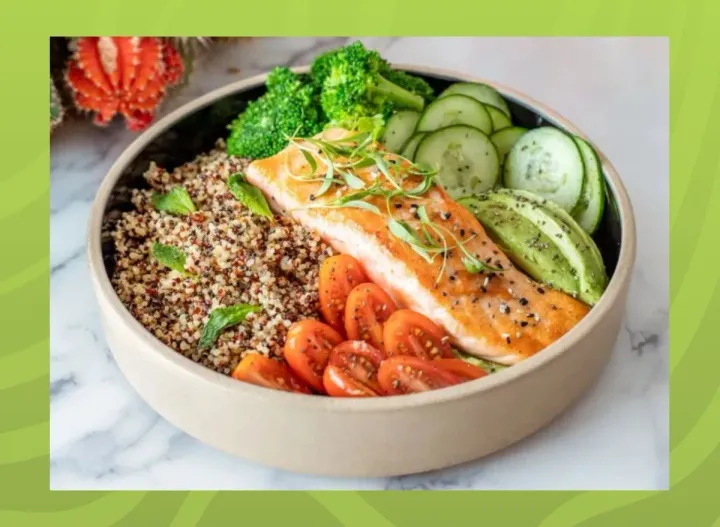
Spacing out your protein intake is crucial for optimal muscle synthesis. Research suggests consuming 20-30 grams of protein per meal, spaced out every 3-4 hours. This keeps your muscles fueled and ready to grow. For example, you could aim for 30 grams of protein at breakfast (maybe eggs and Greek yogurt), 30 grams at lunch (grilled chicken with quinoa), and 30 grams at dinner (salmon with lentils).
- Eating protein before bed can also be beneficial, especially casein protein, which digests slowly and provides a steady stream of amino acids during sleep.
- American College of Sports Medicine recommends 1.2-1.6 grams of protein per kg of body weight for endurance athletes, while strength athletes may require more.
- Whole foods are great, but supplements like whey protein or plant-based protein powders can be a convenient way to meet your protein needs.
Let's look at an example: Olympic weightlifter Sarah, who weighs 60kg, aims to consume 1.8 grams of protein per kg of body weight. She spaces out her protein intake across 5 meals, including a mix of animal and plant sources, to optimize muscle growth and recovery.
The Future of Protein and Muscle Growth
You're probably wondering what's next in the world of protein and muscle growth. Well, the future looks exciting! Researchers are exploring alternative protein sources like lab-grown meat, which could revolutionize the way we think about protein intake. Companies like Memphis Meats and Just are already working on lab-grown chicken and beef, which could offer sustainable and efficient protein sources.
Personalized Nutrition is Key
Another trend that's gaining traction is personalized nutrition. Imagine having a customized protein plan tailored to your specific needs and goals. With advancements in genetic testing and AI, this is becoming a reality. For instance, companies like Habit and Precision Nutrition are already offering personalized nutrition plans based on your DNA and fitness goals.
There's also a surge in emerging plant-based proteins with enhanced bioavailability. Proteins like pea, rice, and hemp are being optimized for better absorption and utilization by the body. For example, companies like Ripple and Orgain are creating plant-based protein powders with improved bioavailability.
- Lab-grown meat: a game-changer for sustainable protein production
- Personalized nutrition: tailored protein plans for individual needs
- Emerging plant-based proteins: enhanced bioavailability for better results
The takeaway? The future of protein and muscle growth is all about innovation and personalization. As these trends evolve, you'll have more options than ever to optimize your protein intake and achieve your fitness goals.
So, what's your protein future looking like? Are you ready to upgrade your protein game?


Comments ()