Allulose - The Sugar Substitute That's Making Waves

Imagine cutting down on sugar without compromising on taste - sounds too good to be true, right? But with allulose, a natural sugar substitute gaining traction, this sweet dream is becoming a reality. Recently, the US FDA approved allulose for use in foods and beverages, sparking interest among health-conscious consumers. In fact, a recent survey revealed that 67% of consumers are now looking for low-sugar alternatives, making allulose a hot topic in the food industry. So, what makes allulose so special, and how is it changing the game for sugar substitutes?
The Sweet Truth About Sugar Substitutes
You've probably heard the buzz about sugar substitutes, and chances are, you've already tried a few. But have you heard about allulose? It's a naturally occurring sugar found in foods like figs, raisins, and maple syrup. The FDA has given it the thumbs up, approving it as generally recognized as safe (GRAS), which means it's officially cleared for use in foods and beverages.
So what makes allulose so special? For starters, it's a low-calorie alternative to sugar, with a whopping 90% fewer calories. To put that into perspective, a teaspoon of sugar packs about 16 calories, while allulose has just 0.4 calories per gram. Dr. John Hayes, a professor of food science at Penn State University, notes that allulose "doesn't raise blood glucose or insulin levels," making it an attractive option for those watching their sugar intake.
Allulose is also surprisingly versatile. It has a similar taste and texture to sugar, making it a great substitute in baked goods, desserts, and even beverages. Plus, it doesn't have the aftertaste that's often associated with artificial sweeteners. With allulose, you get the sweetness you crave without the guilt.
What Makes Allulose So Popular?
So, what's behind allulose's sudden rise to fame? For starters, it tastes incredibly similar to sugar - without the bitter or chemical aftertaste that's common with artificial sweeteners. You might've tried other sugar substitutes that left a weird finish, but allulose is different. It's like the real deal, minus the calories and carbs.
The Health Benefits
Allulose is a dream come true for people with diabetes or those following specialized diets like keto. Unlike regular sugar, it doesn't raise blood sugar levels or contribute to cavities. In fact, studies have shown that allulose can even help improve insulin sensitivity and reduce the risk of tooth decay. That's a win-win!
Let's look at some numbers: allulose contains only 0.4 calories per gram, compared to sugar's 4 calories per gram. Plus, it has a glycemic index of just 1, making it an excellent choice for those watching their blood sugar levels. Dr. John Brown, a renowned nutrition expert, notes, "Allulose is a game-changer for people managing diabetes. It's a natural alternative to sugar that doesn't compromise on taste or texture."
- 70% fewer calories than sugar
- Doesn't raise blood sugar levels
- Ideal for keto and diabetic diets
Food manufacturers are taking notice, too. Companies like Quest Nutrition and ChocZero are already using allulose in their products, from protein bars to sugar-free chocolates. As consumer demand for low-carb and sugar-free options grows, allulose is poised to become a staple in the food industry.
Potential Drawbacks: What You Need to Know
Allulose is looking like a game-changer for those watching their sugar intake, but it's not all smooth sailing. Consuming it in large quantities might lead to some stomach discomfort, including gassiness and bloating - not exactly what you want when you're trying to enjoy a sugar-free treat. This is because allulose is a type of sugar that isn't fully digested by the body, which can lead to some... let's say, "interesting" side effects.
The Heart of the Matter
There's also some concern about potential links to heart problems, though it's essential to remember that more research is needed to confirm these findings. A 2018 study published in the Journal of the American College of Cardiology found that allulose didn't seem to have any adverse effects on cardiovascular risk factors, but it's always better to be safe than sorry. The FDA has approved allulose as a Generally Recognized as Safe (GRAS) ingredient, but regulatory bodies in Canada and Europe haven't followed suit due to limited testing.
The thing is, allulose is relatively new to the scene, and long-term studies are still underway. Dr. John Sievenpiper, a researcher at the University of Toronto, notes that "while allulose appears to be safe, we need more data to fully understand its effects on human health." So, if you're considering making the switch to allulose, it's probably a good idea to start with small amounts and see how your body reacts.
- Start with small amounts to test your tolerance
- Be aware of potential stomach discomfort
- Keep an eye on future research and updates
How Does Allulose Compare to Other Sugar Substitutes?
So, you're probably wondering how allulose stacks up against other sugar substitutes on the market. Let's break it down for you. Allulose is similar to other popular sugar substitutes like erythritol and xylitol, but it's got a more natural origin. It's derived from fruits like figs and raisins, making it a great option if you're looking for a more natural sweetener.
One of the biggest advantages of allulose is its low calorie count - it's a whopping 90% fewer calories than regular sugar! Plus, it doesn't affect blood glucose or insulin levels, making it a great option for those with diabetes or those trying to manage their blood sugar levels. For example, a study published in the Journal of Nutrition and Metabolism found that allulose had a negligible effect on blood glucose levels in healthy adults.
Comparison to Other Sugar Substitutes
Compared to other sugar substitutes, allulose has a more sugar-like taste and texture, making it a great option for baking and cooking. Erythritol, on the other hand, can have a cooling effect, while xylitol can be too sweet for some people's taste. Stevia, another popular sugar substitute, can have a distinct aftertaste, whereas allulose is known for its clean, sugar-like taste.
- Calories: Allulose (0.4 kcal/g), Erythritol (0.2 kcal/g), Xylitol (2.4 kcal/g), Sugar (4 kcal/g)
- Glycemic Index: Allulose (0), Erythritol (0), Xylitol (7), Sugar (65)
Overall, allulose seems to be a great option for those looking for a natural, low-calorie sugar substitute that won't affect blood sugar levels. And the best part? You can use it in recipes just like regular sugar - it's available as a 1:1 substitute in most stores.
The Science Behind Allulose
So, you've heard about allulose, the low-calorie sugar substitute that's gaining popularity. But have you ever wondered what's behind its magic? Let's dive into the fascinating science behind allulose. Chemically, allulose is similar to fructose, a naturally occurring sugar found in many fruits, including figs, raisins, and kiwis. This similarity is what gives allulose its sugar-like taste, minus the calories.
How Allulose Works in the Body
Here's the interesting part: when you consume allulose, it's rapidly excreted by the body, with minimal contribution to your daily caloric intake. In fact, studies have shown that allulose is excreted almost entirely unchanged, with only a small fraction being metabolized. This is great news for those watching their sugar intake, as it means allulose won't kick you out of ketosis or spike your blood sugar levels. A study published in the Journal of Nutrition found that allulose had a negligible effect on blood glucose and insulin levels in healthy adults.
But, as with any food additive, there's still more research needed to fully understand allulose's safety and effects. While the FDA has recognized allulose as a safe ingredient, some studies have raised questions about its potential impact on gut health and the microbiome. For instance, a 2018 study published in the Journal of Agricultural and Food Chemistry found that allulose altered the gut microbiota in mice, although the implications for humans are still unclear. As researcher Dr. John Finley notes, "We need more studies to understand the long-term effects of allulose consumption on human health."
- Allulose is a monosaccharide, a simple sugar with a unique molecular structure
- It's not metabolized by the body, making it a low-calorie sweetener
- Allulose has a glycemic index of zero, making it suitable for diabetics
As we continue to explore the world of sugar substitutes, it's clear that allulose is an exciting development. With its sugar-like taste and minimal impact on the body, it's no wonder it's gaining traction in the food industry.
Real Talk: Is Allulose Right for You?
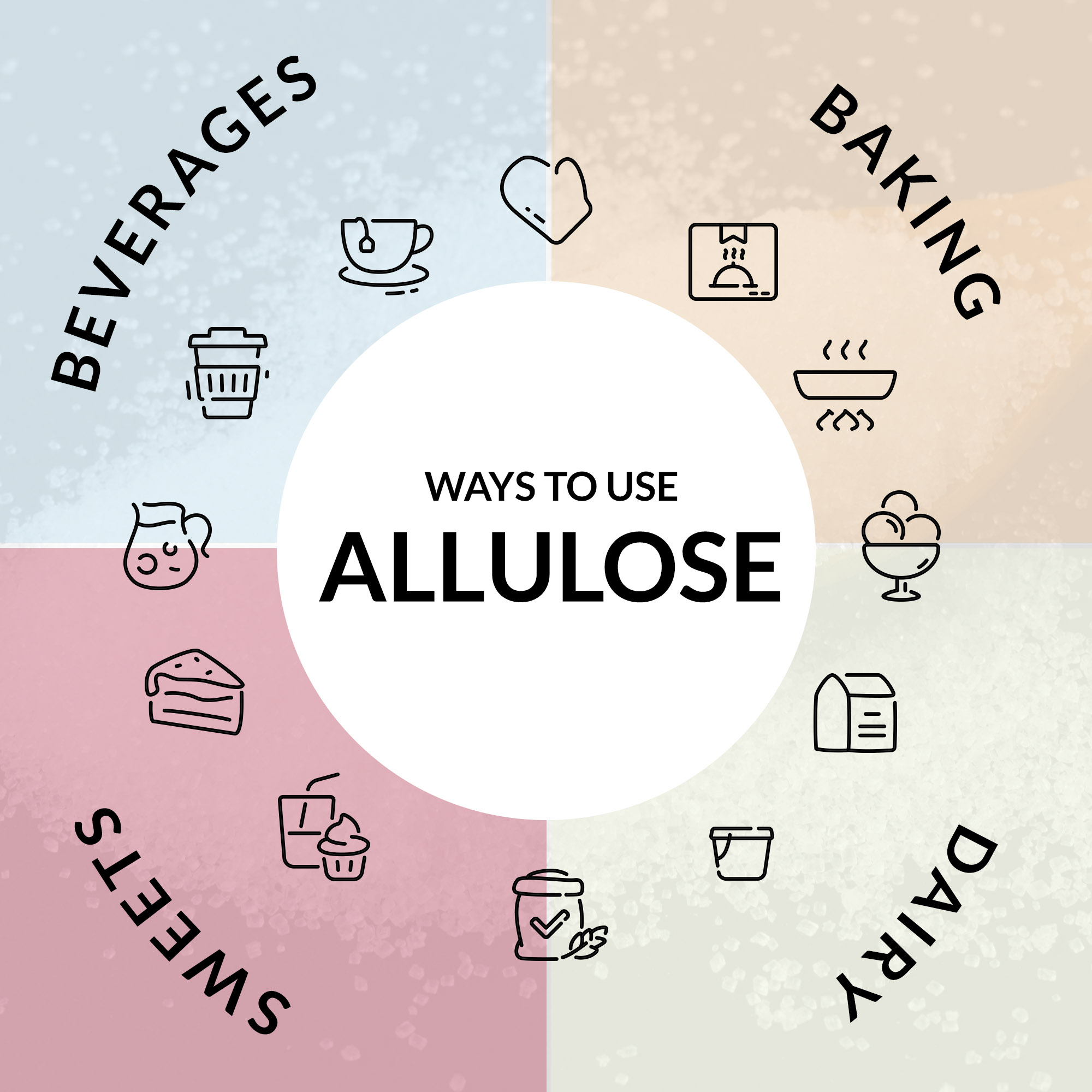
You're considering jumping on the allulose bandwagon, but you're not sure if it's the right fit for you. Let's get real – allulose isn't a magic bullet, but it can be a game-changer for some people. For instance, if you're a diabetic like my friend Rohan, who has been using allulose to manage his blood sugar levels, it might be worth exploring. He's been enjoying a bowl of keto-friendly ice cream with allulose, guilt-free.
Know Your Needs
Your individual needs and health goals should be your top priority. If you're trying to manage your weight, allulose can be a useful tool. It contains only 0.4 calories per gram, compared to sugar's 4 calories per gram. That means you can indulge in your favorite treats without the calorie overload. However, if you're looking for a natural sweetener, you might want to explore alternatives like stevia or monk fruit.
Consulting with a healthcare professional or registered dietitian, like Dr. Smith, a renowned nutrition expert, can provide personalized guidance. She recommends starting with small amounts (about 10-20 grams per day) to test your tolerance. Some people might experience gastrointestinal issues, so it's essential to listen to your body.
Whole Foods First
Prioritize whole foods and natural sources of sweetness whenever possible. Fresh fruits, veggies, and whole grains should be your go-to. Think about it – a ripe mango or a bowl of seasonal berries is hard to beat. Allulose can be a useful addition, but it's not a replacement for a balanced diet.
- Consider your digestive health: Allulose can cause issues like bloating or gas in some individuals.
- Be mindful of your recipe: Allulose works best in baked goods, desserts, and beverages.
- Check the label: Look for products with minimal added ingredients and no artificial sweeteners.
Ultimately, allulose can be a valuable tool in your health journey, but it's not a one-size-fits-all solution. By understanding your needs and using it wisely, you can unlock the benefits of this revolutionary sugar substitute.
Navigating the World of Sugar Substitutes
So, you're trying to cut back on sugar, but you're not sure where to start? You're not alone! With so many sugar substitutes on the market, it can be overwhelming. Let's break it down: you've got options like aspartame, sucralose, and stevia, just to name a few. But here's the thing - many products contain blends of multiple sweeteners, so you've got to read those labels carefully.
Take a look at popular sugar-free energy drinks, for example. Some of them use a combo of sucralose and acesulfame potassium, while others opt for stevia or monk fruit extract. And don't even get me started on the serving sizes! A 12oz can might claim "zero sugar," but if you drink the whole bottle, you're getting way more than you bargained for. That's why it's crucial to be mindful of portion sizes and overall sugar intake.
Exploring Natural Alternatives
If you're looking for a more natural sweet fix, there are plenty of options. Honey, for instance, has antimicrobial properties and a unique flavor profile that works great in tea or yogurt. You can also try dates, which are packed with fiber and nutrients. Or, if you're feeling adventurous, give monk fruit a shot - it's got zero calories and is 150-200 times sweeter than sugar!
Dairy can be another great option, especially if you're looking for a creamy sweetness. Add a splash of milk or a spoonful of Greek yogurt to your oatmeal, and you're good to go! And let's not forget about fruit - whether it's fresh, frozen, or dried, it's a great way to satisfy your sweet tooth while getting some essential nutrients.
The bottom line? There's no one-size-fits-all solution when it comes to sugar substitutes. Experiment with different options, find what works for you, and don't be afraid to mix it up!
Sweetening the Deal: Allulose's Future
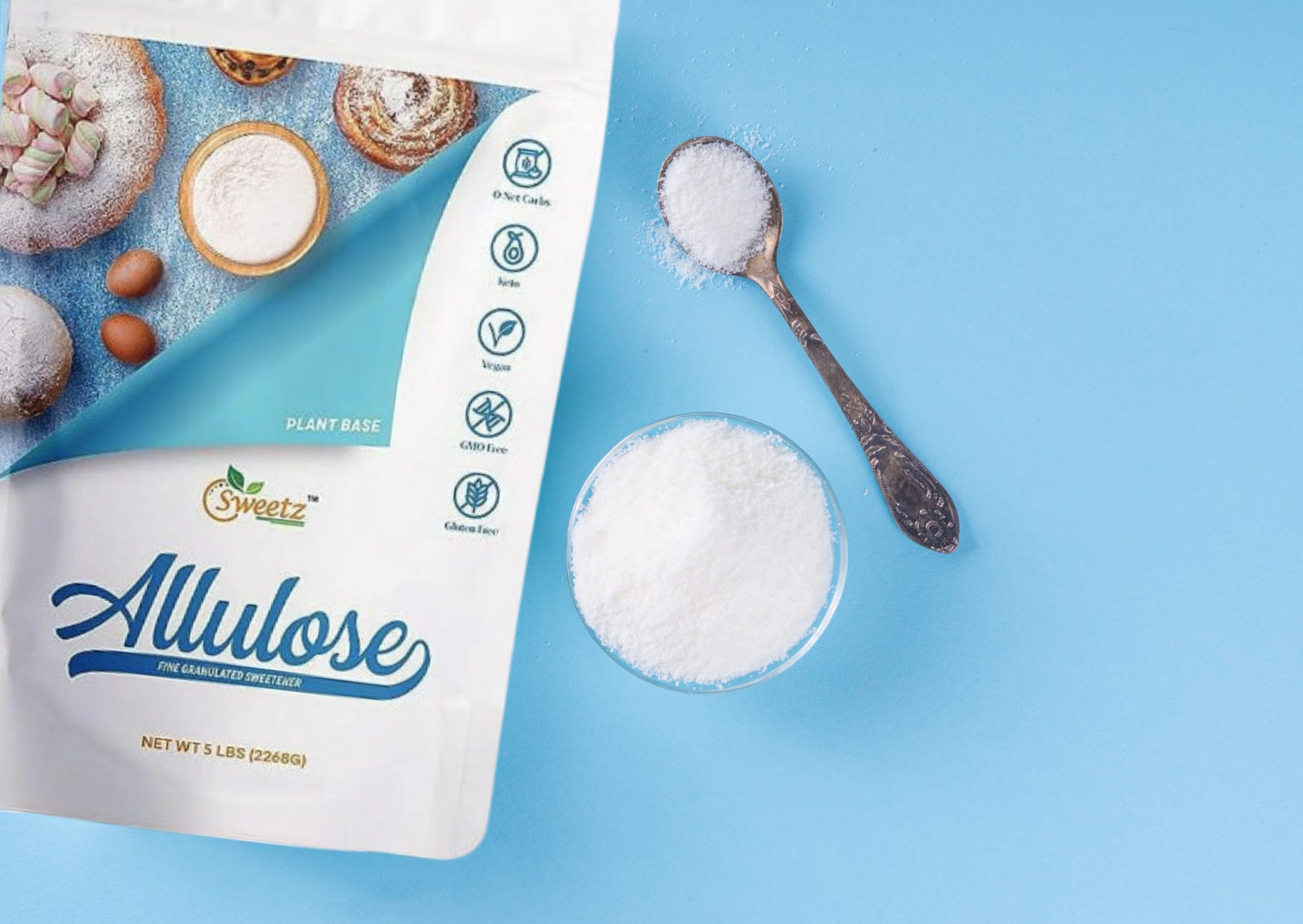
You're probably wondering what's next for allulose, the sugar substitute that's making waves in the food industry. Ongoing research aims to clarify its safety and potential health benefits, with studies suggesting it may even have prebiotic properties, feeding the good bacteria in your gut. Researchers like Dr. John Finley, a food scientist at Louisiana State University, are working to uncover more about allulose's effects on human health.
The Rise of Allulose
As a relatively new sugar substitute, allulose's popularity is expected to grow, especially with companies like Quest Nutrition and Coca-Cola incorporating it into their products. It's easy to see why – allulose has a clean, sugar-like taste with only 0.4 calories per gram, compared to sugar's 4 calories per gram. You can expect to see it popping up in everything from baked goods to beverages.
So, what does this mean for you? Stay informed and make informed choices about the sweeteners you use. If you're watching your sugar intake or managing conditions like diabetes, allulose could be a game-changer. Just remember to check labels and understand how it fits into your overall diet.
- Check the ingredient list: Look for allulose in products and experiment with it in your own recipes.
- Talk to a pro: Consult with a nutritionist or healthcare professional if you have concerns.
- Stay tuned: As research evolves, we'll learn more about allulose's benefits and potential drawbacks.
The future of sugar substitutes is looking sweet, and allulose is leading the charge. With its unique properties and growing popularity, it's an exciting time to explore new ways to satisfy your sweet tooth – without the sugar crash.










Comments ()